

Listen to this podcast in the app for free: Download for free in the App Store
radio.net
Sleep timer
Save favourites
85 episodes
How Trump Is Selling Out Ukraine
14/10/2026 | 1h 1 mins.In this episode of “The David Frum Show,” The Atlantic’s David Frum discusses President Trump’s announced diesel deal with Russia, the administration’s abandonment of Ukraine, and why Trump is giving up so much to gain very little.
Then, David is joined from Kyiv by Illia Ponomarenko, a Ukrainian journalist and the author of the new book “The Land of Tears and Hope.” David and Illia talk about the history of Ukraine, its current state as the war with Russia rages on, and how and why the Trump administration seems so hostile to the country.
Finally, David concludes with discussion about why so little literature exists about the history of slavery in Eastern Europe.
- - -
Sign up for David Frum’s newsletter alert.
Get more from your favorite Atlantic voices when you subscribe. You’ll enjoy unlimited access to Pulitzer-winning journalism, from clear-eyed analysis and insight on breaking news to fascinating explorations of our world. Atlantic subscribers also get access to exclusive subscriber audio in Apple Podcasts. Subscribe today at TheAtlantic.com/Listener.
Learn more about your ad choices. Visit podcastchoices.com/adchoicesDid Marco Rubio Just Start His 2028 Campaign?
10/10/2026 | 9 mins.On this week’s Saturday episode of “The David Frum Show,” The Atlantic’s David Frum discusses Secretary of State Marco Rubio’s speech at the Acropolis in Greece and what it means for the future of the Republican Party.
Sign up for David Frum’s newsletter alert.
Get more from your favorite Atlantic voices when you subscribe. You’ll enjoy unlimited access to Pulitzer-winning journalism, from clear-eyed analysis and insight on breaking news to fascinating explorations of our world. Atlantic subscribers also get access to exclusive subscriber audio in Apple Podcasts. Subscribe today at TheAtlantic.com/Listener.
Learn more about your ad choices. Visit podcastchoices.com/adchoicesWhy American Cities Cost So Much and Deliver So Little
07/10/2026 | 58 mins.In this episode of “The David Frum Show,” The Atlantic’s David Frum opens with his thoughts on the sudden recall of 12 B-1 bombers from their base in the south of England to the mainland of the United States. He asks what prompted the move and why the Trump administration refuses to learn vital military lessons from Ukraine.
Then, David is joined by Reihan Salam, the president of the Manhattan Institute for Policy Research, to discuss why American cities cost so much and often deliver so little. They explore how some urban governments waste public money, how cities could provide better services to residents, and why the rise of populism is doing little to solve Americans’ actual problems.
Finally, David ends the episode with a discussion of “Every War Must End” by Fred Charles Iklé.
- - -
Sign up for David Frum’s newsletter alert.
Get more from your favorite Atlantic voices when you subscribe. You’ll enjoy unlimited access to Pulitzer-winning journalism, from clear-eyed analysis and insight on breaking news to fascinating explorations of our world. Atlantic subscribers also get access to exclusive subscriber audio in Apple Podcasts. Subscribe today at TheAtlantic.com/Listener.
Learn more about your ad choices. Visit podcastchoices.com/adchoicesAre You Better Off Under Trump? The Numbers Say No
03/10/2026 | 8 mins.In this Saturday episode of “The David Frum Show,” The Atlantic’s David Frum explains why President Trump’s approval rating has sunk so far just two years into his second presidency.
Learn more about your ad choices. Visit podcastchoices.com/adchoicesHow Trump Could Threaten the 2026 Election
30/09/2026 | 50 mins.In this week’s episode of “The David Frum Show,” The Atlantic’s David Frum opens with his thoughts about the recent state visit by the Chinese president Xi Jinping to the United States. David discusses President Trump’s embarrassing behavior at the dinner and how he has isolated the United States in its rivalry with China.
Then, David is joined by former Attorney General of the United States Eric Holder to discuss the dismantling of the Voting Rights Act, the battle over gerrymandering, and whether Americans can expect the 2026 midterm elections to be free and fair. Frum and Holder also discuss how attorneys general should react to unlawful orders from the president.
Finally, David ends the episode with a discussion of the novel “Agrippa,” by Robert Harris.
- - -
Sign up for David Frum’s newsletter alert.
Get more from your favorite Atlantic voices when you subscribe. You’ll enjoy unlimited access to Pulitzer-winning journalism, from clear-eyed analysis and insight on breaking news to fascinating explorations of our world. Atlantic subscribers also get access to exclusive subscriber audio in Apple Podcasts. Subscribe today at TheAtlantic.com/Listener.
Learn more about your ad choices. Visit podcastchoices.com/adchoices
More News podcasts






Trending News podcasts







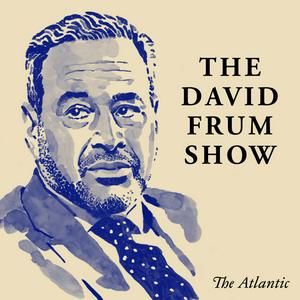
About The David Frum Show
To defend democracy, one has to believe in it. To believe in democracy, one has to understand it. Where it came from. How it works. What’s true. What’s not. What others did before you. How it could be better. How to make a difference.
Each week, The David Frum Show digs deep into the big questions people have about our society, explains the progress Americans have made together, and reminds us that the American idea is worth defending.
Podcast websiteListen to The David Frum Show, Fame Under Fire: Russell Brand on Trial and many other podcasts from around the world with the radio.net app
Get the free radio.net app
- Stations and podcasts to bookmark
- Stream via Wi-Fi or Bluetooth
- Supports Carplay & Android Auto
- Many other app features
Get the free radio.net app
- Stations and podcasts to bookmark
- Stream via Wi-Fi or Bluetooth
- Supports Carplay & Android Auto
- Many other app features
The David Frum Show
Scan code,
download the app,
start listening.
download the app,
start listening.
The David Frum Show: Podcasts in Family
 UK
UK