
Listen to this podcast in the app for free: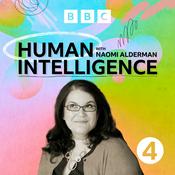 Download for free in the App Store
radio.net
Sleep timer
Save favourites
52 episodes
Conversationalists: Homer
10/08/2026 | 14 mins.Naomi Alderman returns with her series that explores the minds of the greatest thinkers in history. From political theorists to scientists to inventors, authors and artists. Our world is based on their ideas and innovations. How did they do their work, what did they struggle with, where did they find their dedication, creativity and inspiration?
Naomi explores the mind of Homer, the ancient Greek epic poet. She examines how oral tradition, memory, and performance were integral to the imagination of his work, and how storytelling functioned as a shared cultural intelligence long before writing became dominant. Through themes of heroism, fate, and human struggle, Homer’s epics reveal a deeply patterned way of thinking about the world. Naomi investigates how his storytelling mind has influenced countless generations, cultures and societies.
Special thanks to Edith Hall, Professor of Classics at the University of Durham.
Produced by BBC Studios in partnership with The Open University.
Presenter: Naomi Alderman
Production Co-ordinator: Amelia Paul
Researcher: Sasha Edye-Lindner
Series Producer: Anishka Sharma
Executive Producer: Paul Smith
Mix Engineer: Nigel Appleton
Production Manager: Jo KyleConversationalists: Fatema Mernissi
10/08/2026 | 14 mins.Naomi Alderman returns with her series that explores the minds of the greatest thinkers in history. From political theorists to scientists to inventors, authors and artists. Our world is based on their ideas and innovations. How did they do their work, what did they struggle with, where did they find their dedication, creativity and inspiration?
Fatema Mernissi, a pioneering sociologist and Islamic feminist whose work centred on voice, storytelling, and power. She examined how narrative becomes a tool of resistance and survival. Naomi Alderman explores her belief that who gets to speak, and be heard, shapes societies, identities, and authority structures. Mernissi also recognised early on how emerging digital spaces could amplify women’s voices globally. Her thinking blends sociology, literature, and activism, offering a profound framework for understanding communication, agency, and cultural transformation.
Special thanks to Zakia Salime, associate professor of sociology and women's and gender and sexuality studies at Rutgers University.
Produced by BBC Studios in partnership with The Open University.
Presenter: Naomi Alderman
Production Co-ordinator: Amelia Paul
Researcher: Sasha Edye-Lindner
Series Producer: Anishka Sharma
Executive Producer: Paul Smith
Mix Engineer: Nigel Appleton
Production Manager: Jo KyleConversationalists: Isabella D'este
10/08/2026 | 14 mins.Naomi Alderman returns with her series that explores the minds of the greatest thinkers in history. From political theorists to scientists to inventors, authors and artists. Our world is based on their ideas and innovations. How did they do their work, what did they struggle with, where did they find their dedication, creativity and inspiration?
Isabella d'Este was one of the most influential cultural figures of the Italian Renaissance. Renowned for her intelligence, political acumen, and refined taste, she shaped the artistic and intellectual life of her time through strategic patronage and correspondence with leading thinkers and artists. Naomi examines how she navigated the complex power dynamics of Italian courts, using curiosity, diplomacy, and aesthetic vision as tools of influence. From her famed studiolo to her extensive letters, Isabella’s thinking reveals a deeply modern mind; shrewd, self-aware, and committed to shaping culture through intellect as much as authority.
Special thanks to Sarah Cockram, lecturer in medieval history at the University of Glasgow.
Produced by BBC Studios in partnership with The Open University.
Presenter: Naomi Alderman
Production Co-ordinator: Amelia Paul
Researcher: Sasha Edye-Lindner
Series Producer: Anishka Sharma
Executive Producer: Paul Smith
Mix Engineer: Nigel Appleton
Production Manager: Jo KyleConversationalists: Desmond Tutu
10/08/2026 | 14 mins.Naomi Alderman returns with her series that explores the minds of the greatest thinkers in history. From political theorists to scientists to inventors, authors and artists. Our world is based on their ideas and innovations. How did they do their work, what did they struggle with, where did they find their dedication, creativity and inspiration?
Naomi explores the mind of Desmond Tutu, archbishop and human rights activist, and how his thinking reshaped approaches to justice and reconciliation. As chair of South Africa’s Truth and Reconciliation Commission, he helped pioneer a transformative model of restorative justice grounded in dialogue rather than retribution. Central to his philosophy was Ubuntu, the African idea of a universal bond of sharing that connects all humanity, shaping his ethical framework for national healing. Naomi examines how his moral seriousness turned reconciliation into lived practice rather than symbolic performance for a nation rebuilding itself after conflict.
Special thanks to Mungi Ngomane, author and activist.
Produced by BBC Studios in partnership with The Open University.
Presenter: Naomi Alderman
Production Co-ordinator: Amelia Paul
Researcher: Sasha Edye-Lindner
Series Producer: Anishka Sharma
Executive Producer: Paul Smith
Mix Engineer: Nigel Appleton
Production Manager: Jo KyleConversationalists: Voltaire
10/08/2026 | 14 mins.Naomi Alderman returns with her series that explores the minds of the greatest thinkers in history. From political theorists to scientists to inventors, authors and artists. Our world is based on their ideas and innovations. How did they do their work, what did they struggle with, where did they find their dedication, creativity and inspiration?
Naomi explores the mind of Voltaire, one of the defining intellectual voices of the Enlightenment. Through more than 20,000 letters, Voltaire built a vast network of debate known as the “Republic of Letters,” using wit, scepticism, and relentless curiosity to challenge authority and defend freedom of thought. Naomi examines how his experiences of censorship, exile, and persecution shaped his fierce opposition to religious intolerance and abuses of power. From his famous call to “crush the infamous” to his sharp philosophical style, she unpacks how Voltaire’s provocative thinking transformed public debate and helped define modern intellectual life.
Special thanks to David Wootton, Emeritus Professor of History at the University of York
Produced by BBC Studios in partnership with The Open University.
Presenter: Naomi Alderman
Production Co-ordinator: Amelia Paul
Researcher: Sasha Edye-Lindner
Series Producer: Anishka Sharma
Executive Producer: Paul Smith
Mix Engineer: Nigel Appleton
Production Manager: Jo Kyle
More History podcasts







Trending History podcasts





















About Human Intelligence
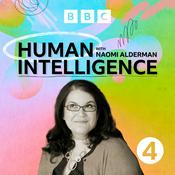
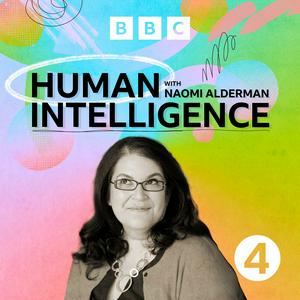
In Human Intelligence, Naomi Alderman dissects the minds of brilliant thinkers from the past; examining the myriad ways in which humans think and realising that great minds don't, in fact, think alike.
Podcast websiteListen to Human Intelligence, In Our Time and many other podcasts from around the world with the radio.net app
Get the free radio.net app
- Stations and podcasts to bookmark
- Stream via Wi-Fi or Bluetooth
- Supports Carplay & Android Auto
- Many other app features
Get the free radio.net app
- Stations and podcasts to bookmark
- Stream via Wi-Fi or Bluetooth
- Supports Carplay & Android Auto
- Many other app features
Human Intelligence
Scan code,
download the app,
start listening.
download the app,
start listening.
Human Intelligence: Podcasts in Family
 UK
UK