Listen to this podcast in the app for free: Download for free in the App Store
radio.net
Sleep timer
Save favourites
Available Episodes
5 of 28
- Finding Recovery Through Employee Assistance ProgramsHosts Dean Babcock and Jodi Miller explore the human side of public safety in this moving episode of Beyond Substance. Brandon Dreiman, a retired Indianapolis firefighter and wellness coach, shares how peer support and employee assistance programs are breaking barriers to care for first responders. Jerry Richard, a veteran firefighter, opens up about his decades-long struggle with alcohol use, the toll it took on his life, and how recovery helped him reclaim purpose and connection. Together, their stories illuminate the vital role of lived experience, trauma-informed care, and trust-based support systems in healing public servants on the front lines.Segment 1: Professional Interview SummaryDean speaks with Brandon Dreiman, a 23-year veteran of the Indianapolis Fire Department and former wellness coordinator, now a recovery coach at Pro Team Wellness. Brandon outlines how peer support systems and employee assistance programs (EAPs) work—especially those tailored to public safety. He emphasizes the unique challenges first responders face, including elevated rates of PTSD and alcohol use disorder. Brandon shares data showing one in three firefighters may have diagnosable AUD, yet stigma and job culture still keep many from seeking help. Through first-hand insights, Brandon breaks down how trust, confidentiality, and peer-led connections can help bridge the gap between suffering and recovery.Segment 2: Personal Story SummaryJodi introduces Jerry Richard, a firefighter whose passion for service masked a private battle with addiction. From early marijuana use to years of secretive alcohol dependency, Jerry reflects on the personal and professional consequences of his substance use—and the moment when he finally asked for help. With honesty and humility, he shares the losses that pushed him back into substance use after a period of sobriety, and how peer support and breathwork therapy helped him begin again. Today, Jerry leads with compassion, offering others the same safe space and support that saved his own life.TakeawaysFirst responders experience high rates of trauma-related conditions, including PTSD and substance use disorder.Alcohol use remains the most common—and most overlooked—issue in public safety professions.Peer support programs, when backed by confidentiality and lived experience, are powerful tools for early intervention.Recovery is possible—even for those who once believed it was out of reach.Changing the culture starts with telling the truth: you're not alone, and help exists.Hashtags#BeyondSubstance #RecoveryIsPossible #FirstResponderWellness #PeerSupportWorks #EmployeeAssistance #PublicSafetyMentalHealth #TraumaInformedCare #StigmaFree #AlcoholUseDisorder #SubstanceUseRecovery #FirefighterMentalHealth #JodiMiller #DeanBabcock #ShawnPNeal #AdvoCast #AddictionRecovery #EAPSupport #PTSDRecovery #MentalHealthAwarenessPodcast Information:Hosted by: Dean Babcock & Jodi MillerInterview Segment Producer: Angela ShamblinPersonal Story Producer: Shawn P NealExecutive Producer: Shawn P NealMixed at: AvoCast Studio236--------52:57
- When Schools Become a Part of RecoveryIn this episode, hosts Dean Babcock and Jodi Miller explore how schools play a critical role in shaping youth experiences with substance use, prevention, and recovery. John Ferguson, a licensed marriage and family therapist with decades of experience, shares how supportive school policies and family engagement can prevent escalation and foster resilience. Ted, a parent in recovery, offers a deeply personal look at how he and his family navigated his son’s high school substance use challenges—finding hope through compassionate educators, recovery resources, and open communication. Together, these conversations reveal how recovery for young people begins not with punishment, but with presence, understanding, and connection.Segment 1: Professional Interview – John FergusonDean speaks with John Ferguson, a licensed marriage and family therapist and manager of the Ascension St. Vincent School-Based Mental Health Program, about how school systems address substance use among students. Drawing from two decades of experience in both youth and adult treatment settings, John discusses the evolving landscape of school-based interventions—from traditional prevention and education to trauma-informed and family-integrated approaches.Segment 2: Personal Story – Ted’s Family JourneyIn a candid and heartfelt conversation, Ted shares how his own recovery journey became intertwined with his son’s struggle with substance use during high school. When his son began experimenting with marijuana and vaping, Ted and his wife faced a difficult path—navigating school policies, family emotions, and community stigma. What they found, however, was compassion and partnership from school counselors, coaches, and eventually, an alternative recovery school, Hope Academy, that helped their son rediscover purpose and stability.TakeawaysSupportive, comprehensive school policies—those that include prevention, counseling, and treatment—create better outcomes than punitive or zero-tolerance approaches.Family engagement and advocacy are vital in addressing youth substance use; schools and parents are most effective when they work as partners.Substance use often coexists with mental health challenges; trauma-informed teaching and early detection make a measurable difference.Compassion, communication, and connection—not punishment—are the foundations of true prevention and recovery.Episode Hashtags#BeyondSubstance #AdvoCast #ShawnPNeal #DeanBabcock #JodiMiller #HopeAcademy #YouthRecovery #SubstanceUsePrevention #SchoolCounseling #TraumaInformedCare #MentalHealthMatters #FamilyRecovery #AddictionAwareness #RecoveryIsPossible #CommunityHealing #ParentingInRecovery #VapingAwareness #ZeroToleranceReform #SupportNotStigma #AdvoCastMediaPodcast Information:Hosted by: Dean Babcock & Jodi MillerInterview Segment Producer: Angela ShamblinPersonal Story Producer: Shawn P NealExecutive Producer: Shawn P NealMixed at: AvoCast Studio236--------50:36
- Season 2 Finale: Panel on Overdose Deaths- Progress and ChallengesIn the season two finale of Beyond Substance, hosts Dean Babcock and Jodi Miller bring together a panel of leaders working across Indiana to address the opioid epidemic. Joining the conversation are Jodi Miller (peer recovery leader and co-host), Sarah Grubb (Forensic Epidemiologist, Marion County Public Health Department), Dr. Eric Yazel (ER Physician and Indiana EMS Medical Director), and Justin Phillips (Founder of Overdose Lifeline). Together, they reflect on the progress made in reducing overdose deaths, examine data-driven insights and community initiatives, and highlight the ongoing challenges that demand attention. This roundtable brings multiple perspectives—clinical, public health, advocacy, and lived experience—into a collective call for continued collaboration, innovation, and hope. TakeawaysNaloxone access saves lives: Large-scale distribution and low-barrier access remain critical.Bridge programs matter: Linking ER patients to long-term care improves outcomes and prevents relapse.Data drives change: Real-time overdose surveillance helps communities respond quickly and effectively.Peer support builds hope: Recovery coaches create essential trust and reduce stigma.Equity is essential: Addressing racial and demographic disparities must remain a priority.Episode Hashtags#BeyondSubstance #OpioidEpidemic #RecoveryIsPossible #NaloxoneSavesLives #HarmReduction #SubstanceUseRecovery #EndOverdose #PeerRecovery #IndianaRecovery #CommunityHealth #DataDrivenSolutions #MAT #BridgeProgram #PublicHealth #Epidemiology #OverdoseLifeline #ShawnPNeal #AdvoCast #StigmaFree #HopeAndRecoveryPodcast Information:Hosted by: Dean Babcock & Jodi MillerInterview Segment Producer: Angela ShamblinPersonal Story Producer: Shawn P NealExecutive Producer: Shawn P NealMixed at: AvoCast Studio236--------59:18
- Finding Recovery in Community CorrectionsIn this powerful episode of Beyond Substance, hosts Jodi Miller and Dean Babcock explore recovery, redemption, and the systems that support both. Jodi sits down with Megan Pino, a graduate of the Hamilton County Drug Court Program, who shares her deeply personal journey through addiction, motherhood, and healing. Dean interviews Morgan Walker, Executive Director of Hancock County Community Corrections, who offers a systems-level look at how evidence-based practices and collaborative support structures are transforming the criminal justice landscape. Together, their stories reflect the heart of what real recovery looks like—accountability, compassion, and hope.Segment 1: Professional InterviewDean speaks with Morgan Walker, Executive Director of Hancock County Community Corrections, to discuss the evolving role of community corrections within the justice system. Morgan emphasizes a shift from compliance-focused models to evidence-based approaches that prioritize client outcomes and dignity. She explains how her agency integrates partnerships with recovery programs, case managers, and the courts to create holistic support systems for individuals with substance use disorders. Morgan also reflects on how the COVID-19 pandemic reshaped service delivery and revealed the need for flexible, human-centered strategies. Her insights provide a critical lens into how justice-involved individuals can be empowered through meaningful engagement, supportive accountability, and compassionate systems.Segment 2: Personal StoryMegan Pino opens up to Jodi Miller about her struggle with alcohol use, the pain of repeated legal consequences, and the toll it took on her children and sense of self. After her fourth DUI, Megan reached a breaking point—and what followed was a life-changing journey through the Hamilton County Drug Court and Community Corrections programs. Through tears, gratitude, and fierce honesty, Megan shares how accountability, structure, and support helped her reclaim her identity. She reflects on rebuilding trust with her children, rediscovering her worth, and how gratitude became a powerful tool in her ongoing recovery. Megan’s story reminds us that people are not defined by their lowest moments—and that recovery is possible with the right support system.TakeawaysCommunity corrections is shifting toward evidence-based, compassionate support strategies.Recovery journeys often begin with accountability—and are sustained through connection.Drug courts can serve as life-saving interventions when integrated with wraparound services.Systems that honor dignity can transform justice-involved lives.Personal healing often involves rebuilding relationships and rediscovering self-worth.Podcast Information:Hosted by: Dean Babcock and Jodi MillerInterview Segment Producer: Angela ShamblinPersonal Story Producer: Shawn P NealExecutive Producer: Shawn P NealMixed at: AvoCast Studio236Episode Hashtags#BeyondSubstance #ShawnPNeal #AdvoCast #RecoveryIsPossible #CommunityCorrections #DrugCourt #HarmReduction #AccountabilityInRecovery #TraumaInformedCare #EvidenceBasedPractice #AddictionRecovery #JusticeReform #WomenInRecovery #SupportNotStigma #PeerSupportMatters #HealingJourneys #JodiMiller #DeanBabcock #CriminalJusticeSupport #RedemptionStoriesPodcast Information:Hosted by: Dean Babcock & Jodi MillerInterview Segment Producer: Angela ShamblinPersonal Story Producer: Shawn P NealExecutive Producer: Shawn P NealMixed at: AvoCast Studio236--------47:01
- Perspectives on Stigma in Medical CareIn this powerful episode, hosts Dean Babcock and Jodi Miller explore stigma from two deeply connected vantage points: the clinical world of healthcare and the lived reality of addiction and recovery. Dr. Christopher Suelzer, a retired internal medicine physician with decades of experience treating veterans, shares his perspective on how stigma within the medical community affects patient care and trust. Then, we meet Gloria Haynes, a woman in long-term recovery whose journey from addiction to becoming a respected peer recovery coach reveals the transformative power of support and self-worth. Together, their insights challenge us to dismantle bias and see the humanity behind the diagnosis.Segment 1: Professional Interview SummaryDr. Christopher Suelzer, a primary care physician and long-time advocate for veterans and people with substance use disorders, offers a candid look into the role healthcare providers play in perpetuating or alleviating stigma. He describes how stigmatizing assumptions—often subconscious—can erode trust, reduce treatment efficacy, and undermine patient autonomy. Drawing from real-life examples, he emphasizes that providers must challenge ingrained biases, receive better training, and prioritize compassion alongside clinical skill. Dr. Suelzer also explores the systemic nature of stigma, how language and charting practices reinforce it, and the urgent need for exposure to recovery narratives in medical education.Segment 2: Personal Story SummaryJodi Miller sits down with Gloria Haynes, a certified peer recovery coach and perinatal community health worker whose recovery journey began in a Cook County jail. Gloria recounts her descent from a fast-paced life in Chicago into addiction, homelessness, and incarceration. Through court-ordered treatment and a critical moment of surrender, she found her way into long-term recovery. Gloria’s story highlights the impact of supportive judges, the healing power of community, and the strength that comes from lived experience. Today, she works with pregnant and postpartum women, physicians, and recovery programs, using her voice to inspire connection, empathy, and change.TakeawaysStigma in healthcare can lead to delayed treatment, inadequate care, and broken trust between providers and patients.Recovery is not just possible—it’s powerful. Seeing people thrive in recovery changes how professionals understand substance use.Self-stigma is real, but connection, community, and purpose can break through shame and transform lives.Person-first, non-stigmatizing language matters. It shapes how people are perceived—and how they perceive themselves.Both systemic change and individual empathy are needed to truly support recovery in medical and community settings.Podcast InformationHosted by: Dean Babcock and Jodi MillerInterview Segment Producer: Angela ShamblinPersonal Story Producer: Shawn P NealExecutive Producer: Shawn P NealMixed at: AdvoCast Studio236Episode Hashtags#BeyondSubstance #RecoveryIsPossible #AddictionRecovery #StigmaFreeHealthcare #PeerRecovery #SubstanceUseDisorder #VeteransRecovery #DrChrisSuelzer #GloriaHaynes #JodiMiller #DeanBabcock #NaloxoneSavesLives #MATWorks #PersonFirstLanguage #EmpathyInMedicine #HealthcareBias #CHAMPIndiana #WeCare #ShawnPNeal #AdvoCastPodcast Information:Hosted by: Dean Babcock & Jodi MillerInterview Segment Producer: Angela ShamblinPersonal Story Producer: Shawn P NealExecutive Producer: Shawn P NealMixed at: AvoCast Studio236--------59:26
More Education podcasts
 The Humans vs Retirement PodcastBusiness, Education, Society & Culture, Careers, Investing, Personal Journals, Self-Improvement
 Coffee Break FrenchEducation, Courses, Language Learning
 Begin Again with Davina McCallEducation, Health & Wellness, Society & Culture, Mental Health, Self-Improvement
 The Digital SisterhoodEducation, Society & Culture, Documentary, Self-Improvement
 The Rich Roll PodcastEducation, Health & Wellness, Society & Culture, Self-Improvement
 Coffee Break SpanishEducation, Courses, Language Learning
 anything goes with emma chamberlainEducation, Society & Culture, Personal Journals, Self-Improvement
 The Mel Robbins PodcastEducation, Health & Wellness, Society & Culture, Mental Health, Relationships, Self-Improvement
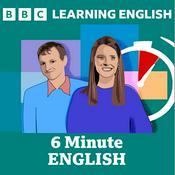 6 Minute EnglishEducation, Language Learning
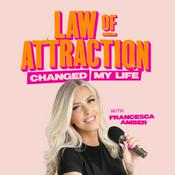 Law of Attraction Changed My LifeEducation, Kids & Family, Religion & Spirituality, Parenting, Self-Improvement, Spirituality
Trending Education podcasts
 English Learning for Curious Minds | A More Interesting Way To Learn EnglishEducation, Language Learning
 Am I the Genius?Education, Self-Improvement
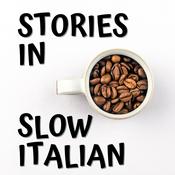 Stories in Slow Italian - Learn Italian through storiesEducation, Language Learning
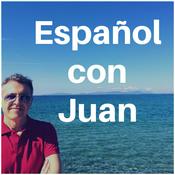 Español con JuanEducation, Courses, Language Learning
 The Wellness WayEducation, Self-Improvement
 The Art of AccomplishmentBusiness, Education, Health & Wellness, Management, Mental Health, Self-Improvement
 Dreaming Spanish Podcast – Chats in Beginner SpanishEducation, Language Learning
 THE ED MYLETT SHOWBusiness, Education, Entrepreneurship, Self-Improvement
 Talking Rubbish - The Recycling PodcastEducation, Science, Society & Culture, Documentary, Tutorials, CATEGORY_NATURE
 Comfort AffirmationsEducation, Self-Improvement
 Le français avec FluiditéEducation, Courses, Language Learning
 Easy Italian: Learn Italian with real conversations | Imparare l'italiano con conversazioni realiEducation, Society & Culture, Courses, Language Learning, Places & Travel
 The Broke GenerationBusiness, Education, Tutorials
 Clutterbug - Real-Life Hacks and Tips to Declutter, Organize and Clean your Home FastEducation, Kids & Family, Leisure, Home & Garden, Self-Improvement
 Learning English StoriesEducation, Language Learning
 Know ThyselfEducation, Self-Improvement
 Learn Italian with Joy of LanguagesEducation, Courses, Language Learning
 German for BeginnersEducation, Courses, Language Learning
 English Unleashed: The PodcastEducation, Language Learning
 Life KitBusiness, Education, Health & Wellness, Kids & Family, Self-Improvement
 Andy Ramage PodcastEducation, Health & Wellness, Self-Improvement
 Cyprian MajcherEducation
 Align with Jenna Zoe: The Human Design PodcastEducation, Religion & Spirituality, Science, Life Sciences, Self-Improvement, Spirituality
 The Zero to Finals Medical Revision PodcastEducation, Health & Wellness, Science, Life Sciences, Medicine
 BPLUS بیپلاس پادکست فارسی خلاصه کتابEducation, Kids & Family, Self-Improvement
 Motivation Daily by MotiversityEducation, Health & Wellness, Self-Improvement
 Primary Care Knowledge BoostEducation, Science
 جافکری | JafekriEducation, Self-Improvement
 Hoy Hablamos: Podcast diario para aprender español - Learn Spanish Daily PodcastEducation, Courses, Language Learning
 The Let Them TheoryEducation, Self-Improvement
About Beyond Substance
Beyond Substance deepens the understanding of our listeners about substance use in Indiana, specifically the problems and solutions to address these issues and to highlight that there is hope and share what can be done to foster and support recovery in our community.
Podcast websiteListen to Beyond Substance, The Humans vs Retirement Podcast and many other podcasts from around the world with the radio.net app
Get the free radio.net app
- Stations and podcasts to bookmark
- Stream via Wi-Fi or Bluetooth
- Supports Carplay & Android Auto
- Many other app features
Get the free radio.net app
- Stations and podcasts to bookmark
- Stream via Wi-Fi or Bluetooth
- Supports Carplay & Android Auto
- Many other app features

Beyond Substance
Scan code,
download the app,
start listening.
download the app,
start listening.
 UK
UK