

Listen to this podcast in the app for free: Download for free in the App Store
radio.net
Sleep timer
Save favourites
303 episodes
How Trauma Creates High Achievers: Fight Response, Perfectionism & Burnout
14/09/2026 | 52 mins.Success can become a survival strategy when the nervous system learns that achievement equals safety.
In this episode of Trauma Rewired, Jennifer Wallace and Elisabeth Kristof are joined by entrepreneur and Brain Based partner Margy Feldhun to explore how unresolved trauma can drive perfectionism, relentless productivity, emotional repression, and eventual burnout. Together, they unpack why so many high achievers feel successful on the outside while feeling disconnected, numb, or chronically stressed on the inside.
You'll learn how the fight response can masquerade as ambition, why emotional repression often fuels performance until it no longer can, and how nervous system regulation allows success to become something you can actually experience instead of constantly chasing.
If you've ever felt like you're accomplishing everything yet still can't relax, this conversation will help you understand why—and show you a different path toward sustainable achievement, healthier relationships, and authentic fulfillment.
In This Episode
Why high achievement is often rooted in nervous system survival rather than true capacity
How the fight response fuels perfectionism, overworking, and burnout
The hidden cost of emotional repression in business, leadership, and relationships
Why external success cannot create internal safety
How perfectionism, shame, and hypervigilance become performance strategies
The difference between emotional repression and emotional suppression
Why high performers often experience burnout despite outward success
How emotional processing improves leadership, decision-making, and resilience
The connection between chronic stress, migraines, pain, and emotional repression
Why nervous system regulation creates sustainable success instead of survival-driven achievement
How learning to process emotions leads to greater presence, authenticity, and healthier relationships
Practical first steps for rewiring achievement patterns through Neurosomatic Intelligence (NSI).
Featured in This Episode
🧠 The 15-Day Nervous System Rewire
A guided introduction to nervous system regulation through 15 progressive practices designed to help you build self-attunement, regulate overwhelm, and begin creating lasting change.
https://rewirecourse.com
🎁 Try Brain Based Free for Two Weeks
Experience daily applied neurology exercises, emotional processing practices, and nervous system training inside the Brain Based membership.
https://rewiretrial.com
🎓 Become NSI Certified
Learn the neuroscience and practical application of Neurosomatic Intelligence through our professional certification program.
https://neurosomaticintelligence.com
Watch More Trauma Rewired Episodes
Watch full episodes and subscribe on YouTube:
https://www.youtube.com/@traumarewired
Are you ready to become the woman who can carry the vision?
Discover nervous system education, preparation, integration, and resources to support your journey at
illuminatedwithjennifer.com
Sacred Synapse
Interested in the neuroscience of psychedelics, neuroplasticity, and nervous system preparation?
Explore Jennifer Wallace's educational YouTube channel dedicated to evidence-informed psychedelic education and harm reduction.
https://www.youtube.com/@sacredsynapse
The Wayfinder Journal
Develop greater nervous system awareness through guided reflections, emotional processing prompts, and practical regulation exercises.
https://stan.store/illuminated
Disclaimer
Trauma Rewired podcast is intended to educate and inform but does not constitute
medical, psychological or other professional advice or services. Always consult a
qualified medical professional about your specific circumstances before making any
decisions based on what you hear.We share our experiences, explore trauma, physical reactions, mental health anddisease. If you become distressed by our content, please stop listening and seekprofessional support when needed. Do not continue to listen if the conversations arehaving a negative impact on your health and well-being.
If you or someone you know is struggling with their mental health, or in mental health
crisis and you are in the United States you can 988 Suicide and Crisis Lifeline. If
someone's life is in danger, immediately call 911.
We do our best to stay current in research, but older episodes are always available. We
don't warrant or guarantee that this podcast contains complete, accurate or up-to-date
information. It's very important to talk to a medical professional about your individual
needs, as we aren't responsible for any actions you take based on the information you
hear in this podcast.
We invite guests onto the podcast. Please note that we don't verify the accuracy of their
statements. Our organization does not endorse third-party content and the views of our
guests do not necessarily represent the views of our organization.
We talk about general neuro-science and nervous system health, but you are unique.
These are conversations for a wide audience. They are general recommendations and
you are always advised to seek personal care for your unique outputs, trauma and needs.
We are not doctors or licensed medical professionals. We are certified neuro-somatic
practitioners and nervous system health/embodiment coaches. We are not your doctor
or medical professional and do not know you and your unique nervous system. This
podcast is not a replacement for working with a professional.
The BrainBased.com site and Rewiretrail.com is a membership site for general nervous
system health, somatic processing and stress processing. It is not a substitute for
medical care or the appropriate solution for anyone in mental health crisis.
Discussions related to psychedelics are provided solely for educational and harm
reduction purposes. Nothing shared on this podcast or through Sacred Synapse should
be interpreted as medical advice, encouragement to use illegal substances, or a
recommendation that psychedelics are appropriate for any individual. Decisions regarding psychedelic use should be made in consultation with qualified healthcare
professionals and in accordance with applicable laws.
Any examples mentioned in this podcast are for illustration purposes only. If they are
based on real events, names have been changed to protect the identities of those
involved.
We've done our best to ensure our podcast respects the intellectual property rights of
others, however if you have an issue with our content, please let us know by emailing us
at traumarewired@gmail.com
All rights in our content are reservedWhy Trauma Changes the Brain: Complex Trauma, Inflammation & Neuroplasticity
07/09/2026 | 1h 4 mins.Trauma doesn't just shape your memories. It changes how your brain predicts, interprets, and responds to the world.
In this episode, Jennifer and Elisabeth sit down with clinical neuroscientist Dr. Mbemba Jabbi to explore the biology of complex trauma through the lens of neurogenetics, affective neuroscience, inflammation, and neuroplasticity. Together they unpack how early adversity reshapes emotional brain networks, why survival adaptations become deeply encoded, and what current neuroscience reveals about the connection between trauma, chronic disease, and healing.
From the anterior insula and amygdala to inflammatory biomarkers like C-reactive protein, this conversation bridges cutting-edge neuroscience with practical understanding for survivors and practitioners alike. Most importantly, it offers hope: the brain remains plastic throughout life, and healing is possible.
In This Episode
Why trauma is an ongoing conversation between the brain, body, and environment—not simply a past event.
How the brain's emotional networks continuously evaluate safety through sensory input.
The role of the anterior insula, anterior cingulate cortex, and amygdala in emotional regulation and threat detection.
Why many trauma responses are adaptive suppressions rather than deficits.
How survival patterns formed during childhood often repeat throughout adulthood.
The relationship between chronic trauma, inflammation, and long-term physical health.
What C-reactive protein may reveal about the biological impact of childhood trauma.
Why early childhood sexual trauma produces distinct biological effects compared with other forms of adversity.
How genetics and environment interact to shape emotional health without determining destiny.
Why neuroplasticity gives us the capacity to build new patterns throughout life.
How nervous system training, supportive relationships, and therapeutic interventions help create lasting change.
Why emotions are not separate from the body—they are deeply integrated with every system involved in survival and wellbeing.
Featured in This Episode
🧠 Start your FREE two-week Rewire Trial
Learn the same neurosomatic tools discussed throughout the podcast and begin training your nervous system with live classes, expert guidance, and an extensive on-demand library.
https://www.rewiretrial.com
RESOURCES
✨ Are you ready to become the woman who can carry the vision?
Discover nervous system education, preparation, integration, and resources to support your journey at illuminatedwithjennifer.com.
🌿 Sacred Synapse
Explore Jennifer's educational videos on psychedelic neuroscience, preparation, integration, and harm reduction.
https://www.youtube.com/@sacredsynapse-23
📖 The Wayfinder Journal
A guided psychedelic preparation and integration journal designed to help you embody insight and create lasting change.
https://stan.store/illuminated
Connect with Us
🌐 Website
https://www.traumarewired.com
📸 Instagram
https://www.instagram.com/trauma.rewired
👥 Facebook Community
https://www.facebook.com/groups/761101225132846
Exclusive Offer
🥬 Receive a FREE bottle of AG1 with your subscription.
https://www.drinkag1.com/rewired
Podcast Disclaimer
Trauma Rewired podcast is intended to educate and inform but does not constitute
medical, psychological or other professional advice or services. Always consult a
qualified medical professional about your specific circumstances before making any
decisions based on what you hear.
We share our experiences, explore trauma, physical reactions, mental health and
disease. If you become distressed by our content, please stop listening and seek
professional support when needed. Do not continue to listen if the conversations are
having a negative impact on your health and well-being.
If you or someone you know is struggling with their mental health, or in mental health
crisis and you are in the United States you can 988 Suicide and Crisis Lifeline. If
someone's life is in danger, immediately call 911.
We do our best to stay current in research, but older episodes are always available. We
don't warrant or guarantee that this podcast contains complete, accurate or up-to-date
information. It's very important to talk to a medical professional about your individual
needs, as we aren't responsible for any actions you take based on the information you
hear in this podcast.
We invite guests onto the podcast. Please note that we don't verify the accuracy of their
statements. Our organization does not endorse third-party content and the views of our
guests do not necessarily represent the views of our organization.
We talk about general neuro-science and nervous system health, but you are unique.
These are conversations for a wide audience. They are general recommendations and
you are always advised to seek personal care for your unique outputs, trauma and needs.
We are not doctors or licensed medical professionals. We are certified neuro-somatic
practitioners and nervous system health/embodiment coaches. We are not your doctor
or medical professional and do not know you and your unique nervous system. This
podcast is not a replacement for working with a professional.
The BrainBased.com site and Rewiretrail.com is a membership site for general nervous
system health, somatic processing and stress processing. It is not a substitute for
medical care or the appropriate solution for anyone in mental health crisis.
Discussions related to psychedelics are provided solely for educational and harm
reduction purposes. Nothing shared on this podcast or through Sacred Synapse should
be interpreted as medical advice, encouragement to use illegal substances, or a
recommendation that psychedelics are appropriate for any individual. Decisionsregarding psychedelic use should be made in consultation with qualified healthcare
professionals and in accordance with applicable laws.
Any examples mentioned in this podcast are for illustration purposes only. If they are
based on real events, names have been changed to protect the identities of those
involved.
Discussions related to psychedelics are provided solely for educational and harm
reduction purposes. Nothing shared on this podcast or through Sacred Synapse should
be interpreted as medical advice, encouragement to use illegal substances, or a
recommendation that psychedelics are appropriate for any individual. Decisions
regarding psychedelic use should be made in consultation with qualified healthcare
professionals and in accordance with applicable laws.
We've done our best to ensure our podcast respects the intellectual property rights of
others, however if you have an issue with our content, please let us know by emailing us
at traumarewired@gmail.com
All rights in our content are reservedUndiagnosed TBI: Why Brain Injuries Are Often Missed and Misunderstood
31/08/2026 | 49 mins.Traumatic brain injuries are incredibly common, yet many mild TBIs and concussions go unrecognized. And when the symptoms of a brain injury overlap with the effects of complex trauma, it can become difficult to understand what is actually driving changes in cognition, emotional regulation, behavior, energy, and capacity.
In this episode of Trauma Rewired, Jennifer Wallace and Elisabeth Kristof are joined by Amanda Smith, certified brain injury specialist, applied neurology pain and performance coach, NSI educator, and founder of Amanda's Way, to explore the intersection of traumatic brain injury and complex trauma.
Amanda shares her own experience recovering from concussion and whiplash and explains why symptoms such as brain fog, fatigue, irritability, emotional reactivity, poor concentration, sleep disruption, sensory sensitivity, and reduced capacity can easily be attributed to trauma, anxiety, depression, or stress when an underlying brain injury may also be contributing.
Together, they explore how TBI can change the brain's ability to process visual, vestibular, sensory, and cognitive information; why everyday inputs can require significantly more resources after injury; and how reduced fuel and capacity can affect everything from relationships and work to emotional regulation and rehabilitation.
The conversation also examines why practitioners working with trauma and the nervous system need a foundational understanding of concussion and TBI—and why those working with brain injury populations benefit from understanding the effects of complex trauma, chronic stress, and nervous system patterns.
Rather than pushing through symptoms, recovery begins with understanding what the nervous system is actually experiencing, assessing capacity, working with the minimum effective dose, and recognizing when additional rehabilitation, referral, or collaborative care may be needed.
In This Episode
What traumatic brain injury and mild TBI can look like
Why many concussions and mild TBIs go undiagnosed
The overlap between TBI, anxiety, depression, PTSD, and complex trauma symptoms
How brain injury can affect emotional regulation, cognition, memory, vision, and behavior
Why irritability, withdrawal, overwhelm, and reduced capacity may emerge after concussion
The relationship between complex trauma and persistent post-concussion symptoms
Why women and other vulnerable populations may experience additional barriers to recovery
How TBI can increase the energetic demands placed on the brain
Visual, vestibular, sensory, and cognitive processing after brain injury
Why pushing through symptoms can create diminishing returns
Fuel, capacity, assessment, reassessment, and the minimum effective dose
How Neurosomatic Intelligence can support individualized nervous system work
Why practitioners need to recognize when referral or collaborative care is appropriate
Beginning with simple awareness of breath, energy expenditure, restoration, and capacity
The importance of compassion for ourselves and others when we cannot see what another nervous system has experienced
Featured in This Episode
BECOMING TBI & CONCUSSION INFORMED — LIVE WORKSHOP
If you work with the nervous system, understanding concussion and traumatic brain injury is essential. Post-concussion symptoms can present as fatigue, overwhelm, emotional reactivity, difficulty concentrating, sensitivity to sound or light, inconsistent progress, or reduced capacity for stress.
Join Amanda Smith on September 17 for Becoming TBI and Concussion Informed, a live workshop designed to help practitioners understand how a history of concussion, mild TBI, or head and neck trauma may be affecting what they observe in their clients.
Learn to ask better questions, adapt your approach, recognize when referral or collaboration is needed, and work with greater clarity and confidence.
neurosomatic.com/concussion
Amanda Smith is a certified brain injury specialist, applied neurology pain and performance coach, founder of Amanda's Way, and educator in the Neurosomatic Intelligence Coaching Certification. Her work integrates applied neurology, nervous system education, and rehabilitation to support people navigating traumatic brain injury and persistent post-concussion symptoms.
Offerings & Resources
START HERE — FREE NERVOUS SYSTEM TRAINING
Begin learning how to work with your nervous system with our free two-week Rewire Trial:
rewiretrial.com
NEUROSOMATIC INTELLIGENCE COACHING CERTIFICATION
Learn to work with the nervous system through an integrative framework combining applied neurology, somatics, trauma-informed education, and nervous system assessment.
neurosomaticintelligence.com
WATCH TRAUMA REWIRED ON YOUTUBE
YouTube: youtube.com/@TraumaRewired
EXPLORE JENNIFER'S WORK
Explore psychedelic neuroscience, nervous system preparation and integration, neuroplasticity, and harm reduction with Jennifer on Sacred Synapse:
youtube.com/@sacredsynapse-23
www.illuminatedwithjennifer.com
JOIN OUR COMMUNITY
Connect with the Trauma Rewired community on Facebook:
facebook.com/groups/761101225132846
CONNECT WITH TRAUMA REWIRED
Instagram: instagram.com/trauma.rewired
Podcast Disclaimer
Trauma Rewired podcast is intended to educate and inform but does not constitute medical, psychological or other professional advice or services. Always consult a qualified medical professional about your specific circumstances before making any decisions based on what you hear.
We share our experiences, explore trauma, physical reactions, mental health and disease. If you become distressed by our content, please stop listening and seek professional support when needed. Do not continue to listen if the conversations are having a negative impact on your health and well-being.
If you or someone you know is struggling with their mental health, or in mental health crisis and you are in the United States you can 988 Suicide and Crisis Lifeline. If someone's life is in danger, immediately call 911.
We do our best to stay current in research, but older episodes are always available. We don't warrant or guarantee that this podcast contains complete, accurate or up-to-date information. It's very important to talk to a medical professional about your individual needs, as we aren't responsible for any actions you take based on the information you hear in this podcast.
We invite guests onto the podcast. Please note that we don't verify the accuracy of their statements. Our organization does not endorse third-party content and the views of our guests do not necessarily represent the views of our organization.
We talk about general neuro-science and nervous system health, but you are unique. These are conversations for a wide audience. They are general recommendations and you are always advised to seek personal care for your unique outputs, trauma and needs.
We are not doctors or licensed medical professionals. We are certified neuro-somatic practitioners and nervous system health/embodiment coaches. We are not your doctor or medical professional and do not know you and your unique nervous system. This podcast is not a replacement for working with a professional.
The BrainBased.com site and Rewiretrail.com is a membership site for general nervous system health, somatic processing and stress processing. It is not a substitute for medical care or the appropriate solution for anyone in mental health crisis.
Any examples mentioned in this podcast are for illustration purposes only. If they are based on real events, names have been changed to protect the identities of those involved.
Discussions related to psychedelics are provided solely for educational and harm reduction purposes. Nothing shared on this podcast or through Sacred Synapse should be interpreted as medical advice, encouragement to use illegal substances, or a recommendation that psychedelics are appropriate for any individual. Decisions regarding psychedelic use should be made in consultation with qualified healthcare professionals and in accordance with applicable laws.
We've done our best to ensure our podcast respects the intellectual property rights of others, however if you have an issue with our content, please let us know by emailing us at traumarewired@gmail.com
All rights in our content are reservedThe Science of Feeling Safe in Your Body: Emotional Regulation and Trauma
24/08/2026 | 1h 2 mins.Episode Summary
Why do you know you're safe logically, but your body still reacts as though you're in danger?
Emotional regulation isn't about staying calm, avoiding difficult emotions, or suppressing how you feel. It's about your brain and nervous system working together to accurately interpret what's happening inside and around you so you can respond with flexibility instead of survival.
In this episode of Trauma Rewired, Jennifer Wallace and Elisabeth Kristof are joined by NSI educator Matt Bush to explore the neuroscience of emotional regulation through the lens of brain integration, interoception, sensory processing, and neuroplasticity.
Together they unpack why trauma disrupts communication between key brain networks, how chronic stress creates fragmented emotional processing, and why many people remain stuck in cycles of overwhelm, shutdown, perfectionism, dissociation, binge eating, emotional flooding, or emotional numbness despite years of personal development or therapy.
The conversation also explores why emotional regulation is a trainable neurological skill, how simple nervous system practices improve brain integration, why sensory mismatch contributes to chronic stress, and how properly preparing the nervous system creates safer, more effective emotional processing—including during psychedelic experiences.
If you've ever wondered why insight alone doesn't create lasting change, why your emotions sometimes feel bigger than the situation, or why your body seems to react before your mind can catch up, this episode offers a neuroscience-based roadmap toward regulation, resilience, and post-traumatic growth.
In This Episode We Discuss
What emotional regulation actually is—and what it is not
Why emotional regulation depends on brain integration
The roles of the insula, anterior cingulate cortex, cerebellum, and prefrontal cortex
How trauma disrupts communication between brain networks
Why chronic stress creates fragmented emotional processing
The relationship between interoception, proprioception, and emotional regulation
Sensory mismatch and its hidden impact on nervous system health
Emotional flooding, shutdown, perfectionism, binge eating, and dissociation
Why "fake it until you make it" comes with a physiological cost
The neuroscience behind predictive coding and emotional interpretation
Why emotions are physiological—not simply psychological
How movement, vocalization, and nervous system regulation support emotional processing
Brain-body integration and the limits of insight alone
Emotional regulation during psychedelic and peak somatic experiences
Building nervous system capacity through daily regulation practices
Practical neuroscience tools that support resilience and post-traumatic growth
Featured in This Episode
NSI Foundations Bundle
Learn the foundational neuroscience and practical nervous system tools behind everything taught inside the NeuroSomatic Intelligence Certification.
https://neurosomaticintelligence.com/foundations
Start Here
FREE 2-Week Rewire Trial
https://www.rewiretrial.com
Learn More About NeuroSomatic Intelligence
https://www.neurosomaticintelligence.com
Watch More Trauma Rewired Episodes
YouTube Channel:
https://www.youtube.com/@TraumaRewired
Are you ready to become the woman who can carry the vision?
Discover nervous system education, preparation, integration, and resources to support your journey at
https://illuminatedwithjennifer.com
Sacred Synapse with Jennifer Wallace
Learn more about psychedelic neuroscience, applied neurology, Neurosomatic Intelligence, and nervous system-informed psychedelic preparation and integration through educational, harm reduction content.
https://www.youtube.com/@sacredsynapse-23
The Wayfinder Journal
A guided journal designed to help you track nervous system patterns, deepen self-awareness, and support psychedelic preparation and integration.
https://stan.store/illuminated
Connect With Us
Instagram:
https://www.instagram.com/trauma.rewired
Facebook Community:
https://www.facebook.com/groups/761101225132846
Exclusive Offer
FREE 1-Year Supply of Vitamin D + 5 Travel Packs from AG1
https://www.drinkag1.com/rewired
Disclaimer
Trauma Rewired podcast is intended to educate and inform but does not constitute medical, psychological or other professional advice or services. Always consult a qualified medical professional about your specific circumstances before making any decisions based on what you hear.
We share our experiences, explore trauma, physical reactions, mental health and disease. If you become distressed by our content, please stop listening and seek professional support when needed. Do not continue to listen if the conversations are having a negative impact on your health and well-being.
If you or someone you know is struggling with their mental health, or in mental health crisis and you are in the United States you can contact the 988 Suicide and Crisis Lifeline.
If someone's life is in danger, immediately call 911.
We do our best to stay current in research, but older episodes are always available. We don't warrant or guarantee that this podcast contains complete, accurate or up-to-date information. It's very important to talk to a medical professional about your individual needs, as we aren't responsible for any actions you take based on the information you hear in this podcast.
We invite guests onto the podcast. Please note that we don't verify the accuracy of their statements. Our organization does not endorse third-party content and the views of our guests do not necessarily represent the views of our organization.
We talk about general neuroscience and nervous system health, but you are unique. These are conversations for a wide audience. They are general recommendations and you are always advised to seek personal care for your unique outputs, trauma and needs.
We are not doctors or licensed medical professionals. We are certified neurosomatic practitioners and nervous system health/embodiment coaches. We are not your doctor or medical professional and do not know you and your unique nervous system. This podcast is not a replacement for working with a professional. BrainBased.com and RewireTrial.com are membership sites for general nervous system health, somatic processing and stress processing. They are not substitutes for medical care or the appropriate solution for anyone in mental health crisis.
Jennifer Wallace is also the founder of Sacred Synapse, an educational platform exploring psychedelic neuroscience, applied neurology, Neurosomatic Intelligence, and nervous system-informed psychedelic preparation and integration. Any discussion of psychedelics is provided for educational and harm reduction purposes only. Sacred Synapse does not encourage or promote illegal substance use. Psychedelic experiences carry significant psychological and physiological risks and are not appropriate for every nervous system. Always consult qualified medical professionals and follow the laws applicable where you live before making decisions related to psychedelic use.
Any examples mentioned in this podcast are for illustration purposes only. If they are based on real events, names have been changed to protect the identities of those involved.
We've done our best to ensure our podcast respects the intellectual property rights of others. If you have any concerns regarding our content, please contact us at traumarewired@gmail.com.
All rights in our content are reserved.Boundaries, Attachment, and the Fear of Losing Connection
17/08/2026 | 1hMost people think boundaries are about saying "no," protecting themselves, or keeping others at a distance. But from a nervous system perspective, boundaries are something much deeper. They are not walls that separate us from connection—they are the foundation that makes authentic connection possible.
In this episode, Jennifer Wallace, Elisabeth Kristof, and returning guest Margie Faltin explore boundaries through the lens of neuroscience, attachment, co-regulation, and post-traumatic growth.
Together they examine why boundaries can feel so threatening after trauma, why receiving someone else's boundary can activate abandonment, and how early attachment experiences shape the way we relate to authenticity, conflict, and connection throughout our lives.
Whether you've struggled with people-pleasing, over-functioning, conflict avoidance, or feeling guilty for putting your needs first, this conversation offers a compassionate, science-backed framework for understanding boundaries as an expression of nervous system health rather than emotional distance.
Together they explore why boundaries become easier as nervous system capacity grows, how self-attunement changes the way we communicate our needs, why authenticity requires safety, and how learning to both set and receive boundaries creates stronger relationships, greater resilience, and lasting post-traumatic growth.
Key Takeaways
Why boundaries are a nervous system skill—not simply communication techniques.
How attachment patterns shape the way we set and receive boundaries.
Why receiving a boundary can feel like abandonment after trauma.
The neuroscience of oxytocin, co-regulation, and the "tend-and-befriend" stress response.
Why people-pleasing and fawning are survival adaptations rather than personality traits.
The difference between reactive boundaries and boundaries rooted in regulation.
Why self-attunement is foundational to authentic relationships.
How rupture and repair help build secure attachment over time.
Practical nervous system exercises for strengthening boundary capacity.
Why authentic connection requires truth—not performance, perfection, or self-abandonment.
If you've ever worried that speaking your truth would cost you love, feared disappointing others, or found yourself constantly prioritizing everyone else's needs above your own, this episode offers another perspective: healthy boundaries are not about pushing people away. They are about creating the safety, authenticity, and nervous system capacity that allow genuine connection to grow.
Resources
🧠 Start Your Nervous System Journey — FREE for Two Weeks
https://rewiretrial.com
🌿 NeuroSomatic Intelligence (NSI) Certification
https://neurosomaticintelligence.com
Are you ready to become the woman who can carry the vision?
Discover nervous system education, preparation, integration, and resources to support your journey at illuminatedwithjennifer.com.
🎙️ Sacred Synapse with Jennifer Wallace
https://www.youtube.com/@sacredsynapse
🎧 Watch Trauma Rewired on YouTube
https://www.youtube.com/@traumarewired
📖 The Wayfinder Journal
https://stan.store/illuminated
Podcast Disclaimer
Trauma Rewired podcast is intended to educate and inform but does not constitute medical, psychological or other professional advice or services. Always consult a qualified medical professional about your specific circumstances before making any decisions based on what you hear.
We share our experiences, explore trauma, physical reactions, mental health and disease. If you become distressed by our content, please stop listening and seek professional support when needed. Do not continue to listen if the conversations are having a negative impact on your health and well-being.
If you or someone you know is struggling with their mental health, or in mental health crisis and you are in the United States you can 988 Suicide and Crisis Lifeline. If someone's life is in danger, immediately call 911.
We do our best to stay current in research, but older episodes are always available. We don't warrant or guarantee that this podcast contains complete, accurate or up-to-date information. It's very important to talk to a medical professional about your individual needs, as we aren't responsible for any actions you take based on the information you hear in this podcast.
We invite guests onto the podcast. Please note that we don't verify the accuracy of their statements. Our organization does not endorse third-party content and the views of our guests do not necessarily represent the views of our organization.
We talk about general neuroscience and nervous system health, but you are unique. These are conversations for a wide audience. They are general recommendations and you are always advised to seek personal care for your unique outputs, trauma and needs.
We are not doctors or licensed medical professionals. We are certified NeuroSomatic practitioners and nervous system health/embodiment coaches. We are not your doctor or medical professional and do not know you and your unique nervous system. This podcast is not a replacement for working with a professional.
The BrainBased.com site and RewireTrial.com is a membership site for general nervous system health, somatic processing and stress processing. It is not a substitute for medical care or the appropriate solution for anyone in mental health crisis.
Any examples mentioned in this podcast are for illustration purposes only. If they are based on real events, names have been changed to protect the identities of those involved.
Discussions related to psychedelics are provided solely for educational and harm reduction purposes. Nothing shared on this podcast or through Sacred Synapse should be interpreted as medical advice, encouragement to use illegal substances, or a recommendation that psychedelics are appropriate for any individual. Decisions regarding psychedelic use should be made in consultation with qualified healthcare professionals and in accordance with applicable laws.
We've done our best to ensure our podcast respects the intellectual property rights of others, however if you have an issue with our content, please let us know by emailing us at traumarewired@gmail.com.
All rights in our content are reserved.
More Education podcasts
 Know ThyselfEducation, Self-Improvement
 Coffee Break SpanishCourses, Education, Language Learning
 Motivation Daily by MotiversityEducation, Health & Wellness, Self-Improvement
 6 Minute EnglishEducation, Language Learning
 Finding Freedom with Peter CroneEducation, Health & Wellness, Mental Health, Religion & Spirituality, Self-Improvement, Spirituality
 How to Be a Better HumanEducation, Self-Improvement
 Coffee Break FrenchCourses, Education, Language Learning
 A Little Bit RicherBusiness, Education, Investing, Self-Improvement, Society & Culture
 Coffee Break ItalianCourses, Education, Language Learning
 The Florence Given ShowEducation, Health & Wellness, Mental Health, Philosophy, Self-Improvement, Society & Culture
Trending Education podcasts
 Speak Better English with HarryEducation, Language Learning, Self-Improvement
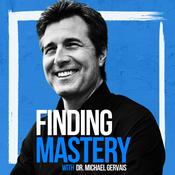 Finding Mastery with Dr. Michael GervaisEducation, Health & Wellness, Mental Health, Self-Improvement
 Sleep Sounds - White Noise & Sleep Music from Calm CoveEducation, Health & Wellness, Kids & Family, Mental Health, Self-Improvement
 The Confidence Podcast: Mindset Coaching and Tips to Overcome Self-Limiting Beliefs, Self-Doubt, Perfectionism, Overthinking, Impostor Syndrome and InsecurityChristianity, Education, Religion & Spirituality, Self-Improvement
 Retire Well with Wealth of AdviceEducation
 The Wellness CafeEducation, Self-Improvement
 Duolingo French PodcastEducation
 News in Slow Spanish (Intermediate)Education, Language Learning, News
 News in Slow Italian (Intermediate)Education, Language Learning, News
 Ace Your NHS Consultant InterviewEducation, Tutorials
 Easy Japanese: Conversation Lessons | NHK WORLD-JAPANEducation, Language Learning
 History Is SexyEducation
 The Art of Public SpeakingEducation, Self-Improvement, Tutorials
 Figuring Out with Raj ShamaniBusiness, Education
 The Scottish History PodcastEducation, History, Society & Culture
 The Other Side NDE (Near Death Experiences)Education, Religion & Spirituality
About Trauma Rewired
The podcast where neuroscience becomes a pathway to greater capacity, deeper connection, and expanded possibility.
Podcast websiteListen to Trauma Rewired, Know Thyself and many other podcasts from around the world with the radio.net app
Get the free radio.net app
- Stations and podcasts to bookmark
- Stream via Wi-Fi or Bluetooth
- Supports Carplay & Android Auto
- Many other app features
Get the free radio.net app
- Stations and podcasts to bookmark
- Stream via Wi-Fi or Bluetooth
- Supports Carplay & Android Auto
- Many other app features

Trauma Rewired
Scan code,
download the app,
start listening.
download the app,
start listening.
 UK
UK