
Listen to this podcast in the app for free: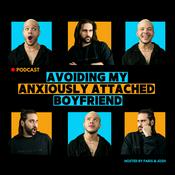 Download for free in the App Store
radio.net
Sleep timer
Save favourites
106 episodes
Growing up Gay in Jordan, Israeli Pinkwashing & Gay Arab Identity : Hasan Kilani
13/10/2026 | 1h 1 mins.In this episode, we’re joined by Palestinian-Jordanian queer activist and writer Hasan Kilani for an honest and open conversation about growing up gay in Jordan, LGBTQ+ life in the Middle East, Palestine, Israeli pinkwashing and the complicated relationship between sexuality, identity and political liberation.
Hasan challenges the narratives often pushed about queer people in Arab and Muslim communities, particularly the argument that LGBTQ+ people shouldn't support Palestine because of homophobia in the region. Drawing on his experiences growing up between Jordan and Palestine, he explains how Israel's promotion of LGBTQ+ rights can be used to distract from the realities of occupation and why queer Palestinians often find themselves fighting for their rights while having their experiences used against their own communities.
We also get into Hasan's upbringing in Jordan, where his experience of being gay was very different from the stereotypes often associated with the Middle East. From growing up in an accepting family and experimenting with femininity to discovering Amman's gay bars, queer spaces and LGBTQ+ activism, Hasan reflects on the queer Arab communities that have existed for decades but rarely receive recognition.
The conversation also explores Western hypocrisy, racism, Islamophobia and the assumptions made about Arab and Muslim men. Hasan discusses why he approaches conversations about homophobia differently in Arabic and English, the contradictions he has experienced living in Britain compared with Jordan and how colonial attitudes continue to shape perceptions of the SWANA region.
Follow us on Social Media:
TikTok: @AMAABF
Instagram: @AMAABFMixed-Race Identity, Colourism & Racial Fetishisation: Dr Chantelle Jessica Lewis
29/09/2026 | 51 mins.In this episode, we’re joined by sociologist, writer and researcher Dr Chantelle Lewis for a wide-ranging conversation about mixed-race identity, Blackness, whiteness, family, colourism and the complicated realities of growing up between different racial worlds.
Chantelle takes us into her PhD research on Black mixed-race families who moved from multicultural cities into predominantly white suburban areas. She reflects on speaking to different generations within the same families and hearing children describe racism, bullying and isolation that their parents often didn’t realise they were experiencing. We unpack the idea of being “torn between two identities” and why Chantelle believes the conversation around mixed-race identity needs to move beyond simply feeling rejected by both sides.
We also get into the relationship between mixedness, desirability and privilege. Chantelle discusses the fetishisation of mixed-race people, why mixed-race men in particular can be hypersexualised, the desire some people have to “have mixed babies” and how proximity to whiteness can shape the way mixed-race people understand themselves. We also explore why saying “I don’t see race” can be damaging within interracial families and what happens when children feel unable to talk to their parents about racism.
Follow us on Social Media:
TikTok: @AMAABF
Instagram: @AMAABFGay Hierarchies, Racial Fetishisation & Black Masculinity: Topher Campbell
22/09/2026 | 54 mins.In this episode, we’re joined by artist, filmmaker and activist Topher Campbell for a wide-ranging conversation about Black queer history, race, sexuality, masculinity, fetishisation and the experiences that shaped his understanding of identity.
Topher takes us back to growing up in care before moving in with his Jamaican mother as a teenager, navigating religion, sexuality and eventually finding his way into London’s Black queer scene. He reflects on coming of age in the 80s and 90s, a time when Black queer people were rarely visible in mainstream culture and how those experiences later influenced his work documenting and preserving Black LGBTQ+ history through the Rukus! archive.
We also get into the complicated relationship between race, masculinity and desire. Topher opens up about being fetishised by white gay men from a young age, the expectations placed on Black men and how his appearance and the way he spoke could simultaneously give him access to certain spaces while still leaving him boxed in by racial stereotypes. He also reflects on racism within theatre and the arts and the feeling of being wanted sexually while still being denied professional opportunities.
Later, we unpack Topher’s complicated relationship with the word “gay”, why he believes mainstream gay culture can centre a white male experience and why he prefers the openness of “queer”. We also get into the history behind top and bottom labels, their links to BDSM culture and how the internet helped turn sexual preferences into identities and categories.
Follow us on Social Media:
TikTok: @AMAABF
Instagram: @AMAABFCode-Switching, Internalised Homophobia & Black Queer Identity: Laquarn Lewis
15/09/2026 | 35 mins.In this episode, we’re joined by actor Laquarn Lewis, known for *What It Feels Like for a Girl* and *Jamie Johnson*, for an honest conversation about growing up Black and gay, code-switching, masculinity and finding your place in a queer community that doesn’t always reflect your own experiences.
Laquarn opens up about the reality of being a Black queer actor and why opportunities can still feel limited for people who don’t fit what the industry is looking for. We get into playing Lady Die in *What It Feels Like for a Girl*, how stepping into the role introduced him to a side of queer culture he’d never experienced before and why he was warned that taking the part could lead to him being typecast.
We also explore Laquarn’s relationship with masculinity and femininity, growing up pretending to be straight and becoming so good at code-switching that he felt like he had “100 personalities”. He reflects on entering queer spaces for the first time, feeling disconnected from parts of gay culture and learning that being queer doesn’t mean having to fit into one particular version of what a gay man should be.
From his parents’ reactions to his sexuality to learning to stop editing himself depending on who was around him, Laquarn reflects on what it took to finally become comfortable with every side of himself and the advice he would give to the younger version of himself who was terrified of being found out.
Follow us on Social Media:
TikTok: @AMAABF
Instagram: @AMAABFSexual Shame, Queer Therapy & The Gay Loneliness Epidemic: Dhiren Doshi-Smith
08/09/2026 | 46 mins.In this episode, we’re joined by therapist Dhiren Doshi-Smith for an honest conversation about therapy, queer identity, race, culture, sex and the shame so many gay men carry without even realising it. Dhiren specialises in working with queer, neurodiverse people of colour and explains why traditional approaches to therapy don’t always account for people whose identities are shaped by family, religion, culture and community.
We get into the idea of decolonising therapy, why setting boundaries can look completely different when you come from a collectivist culture and the loneliness that can come from feeling othered by your family, wider society and even within queer spaces.
We also have a frank conversation about gay sex and why Dhiren believes it needs to have a place in the therapy room. From the shame around bottoming and the idea that being a bottom makes someone less masculine, to racial stereotypes around who is expected to top or bottom, we explore how misogyny, internalised homophobia and cultural expectations can shape the way gay men understand their own sexuality.
Dhiren opens up about his own journey as a queer Indian man, balancing a culture he deeply loves with a sexuality that hasn’t always felt accepted within it.
From once carrying shame around being brown, queer and neurodiverse to appearing in a Pride in London campaign and becoming visibly, publicly gay, Dhiren shares how he reached a place where he can say he genuinely loves his queerness and why helping other queer people get there has become such an important part of his work.
Follow us on Social Media:
TikTok: @AMAABF
Instagram: @AMAABF
More Comedy podcasts






Trending Comedy podcasts




















About Avoiding My Anxiously Attached Boyfriend
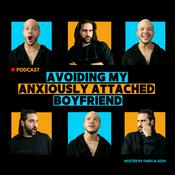
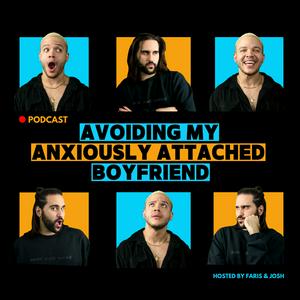
Welcome to "Avoiding My Anxiously Attached Boyfriend"! (AMAABF). A podcast that delves race, relationships and the LGBTQ+ community.Join the first visual and audio LGBTQ+ podcast hosted by a mixed heritage couple! Get to know Faris (anxiously attached), who's always seeking reassurance, and Josh (Avoidant attached), who self-sabotaged every relationship, until this one! No matter how hard he tried. This podcast came to fruition from long night chats in the garden with a cuppa, solving all of the world’s issues. Originally, starting as a podcast in our garage, to a beautiful studio in London. We want this podcast to be a place our beautiful listeners can enjoy, have a laugh and escape yaylity! So, join us and subscribe for new episodes every MONDAY! Peace, Love, and Rubber Gloves.
Podcast websiteListen to Avoiding My Anxiously Attached Boyfriend, Parenting Hell with Rob Beckett and Josh Widdicombe and many other podcasts from around the world with the radio.net app
Get the free radio.net app
- Stations and podcasts to bookmark
- Stream via Wi-Fi or Bluetooth
- Supports Carplay & Android Auto
- Many other app features
Get the free radio.net app
- Stations and podcasts to bookmark
- Stream via Wi-Fi or Bluetooth
- Supports Carplay & Android Auto
- Many other app features
Avoiding My Anxiously Attached Boyfriend
Scan code,
download the app,
start listening.
download the app,
start listening.
 UK
UK