

Listen to this podcast in the app for free: Download for free in the App Store
radio.net
Sleep timer
Save favourites
The Well Drop: Perimenopause, Hormones & Habit Upgrades for Midlife Women
Amber Berger
Latest episode
131 episodes
The WellDrop Method: The Midlife Wellness Roadmap I Wish Someone Had Given Me (Episode 130)
13/07/2026 | 21 mins.Have you ever reached midlife and wondered why the habits that kept you feeling strong for years suddenly do not seem to be working anymore? You are tracking your food, exercising harder, pushing through exhaustion, and doing everything you were told to do, yet your sleep, energy, metabolism, stress tolerance, and body all feel different.
In this solo episode, I am introducing The WellDrop Method, the five-part framework I created after realizing that midlife requires a different wellness strategy. We talk about what to track beyond the number on the scale, how to work with your cycle instead of pushing through every day the same way, which daily habits and home exposures may be affecting how you feel, and why hormones and peptides make more sense when a strong foundation is already in place.
This is the roadmap I wish someone had handed me before my body started playing by a completely different set of rules.
What’s Discussed
(00:00) Why the wellness habits that worked before midlife may stop giving you the same results
(03:12) Framework 1: Tracking the data that matters beyond calories and the scale
(06:07) Framework 2: Working with your cycle to support energy, movement, and recovery
(07:31) Framework 3: Upgrading the daily habits that affect sleep, cortisol, and how your body responds
(09:36) Framework 4: Creating a healthier home environment without trying to change everything overnight
(11:05) Framework 5: Why hormones and peptides should come after the foundation
(13:14) Turning awareness into alignment, action, and ownership with a personalized midlife roadmap
You do not need to keep adding more effort to a strategy that no longer fits your body. Listen now to learn how to focus on what matters, make more informed wellness decisions, and build a plan that supports the way you want to feel through midlife and beyond.
Sign up for The Well Drop Newsletter
Check out The Well Drop approved products and brands at amberberger.me/products
Find out more about Amber Berger:
Website: http://thewelldrop.com
Instagram: @thewelldrop
THE WELL DROPSkin Longevity: Why Skin Health Is More Than Skincare - Young Goose (Episode 129)
29/06/2026 | 1h 7 mins.Skincare has officially entered the wellness conversation, but that also means it has entered the marketing machine.
Words like longevity, clean, cellular, barrier, pro-aging, and skin wellness are everywhere now. But how do you know when a product is actually supporting long-term skin health, and when it is just using the language of wellness to sell you something? In this episode, we get into what skin longevity really means, why repair capacity matters, why your skincare routine may need to evolve in midlife, and how to think beyond instant results when choosing products that are meant to support your skin for the long term.
Joining me for this conversation are Amitay Eshel and Anastasia Khodzhaeva of Young Goose, a science-forward skincare brand built around skin repair capacity, mitochondrial support, NAD+ optimization, and protocol-based skincare. Their work focuses on bringing biohacking principles into topical skincare through evolving formulations, clinical-level ingredients, user data, and education that helps consumers understand what they are putting on their skin and why it matters.
What’s Discussed:
02:28 – Why skin longevity starts with repair capacity, not quick fixes
05:47 – How skincare brands use wellness language to follow whatever trend consumers are buying into
10:23 – How to tell whether a product is backed by real formulation, data, and science instead of just marketing
17:48 – Why “longevity” is becoming the new clean, vegan, or natural in beauty marketing
22:00 – How long it can take to see real changes from a skincare routine
34:20 – Why your 30s skincare routine may start to feel different in midlife
55:10 – Myth or must: salmon sperm facials, exosomes, beef tallow, castor oil, and what is actually worth questioning
Listen to learn how to see past skincare well-washing, understand what your skin needs to repair as you age, and choose products that support long-term skin health instead of chasing the next beauty trend.
Sign up for The Well Drop Newsletter
Check out The Well Drop approved products and brands at amberberger.me/products
Find out more about Amber Berger:
Website: http://thewelldrop.com
Instagram: @thewelldrop
Check out inside THE NETWORK: Well Drop approved products at amberberger.me/products
Find more from Young Goose:
Instagram: @young_goose_skincare
Check out inside THE NETWORK: Well Drop approved products at amberberger.me/products
THE WELL DROPWellness Real Estate: How Your Home's Light, Air & Water Change How You Feel — Diana Ulis (Ep 128)
15/06/2026 | 32 mins.Wellness does not have to be another appointment, routine, or thing you have to squeeze into an already full day. Sometimes the biggest shift starts with the environment you come home to: the light in your space, the air you breathe, the water you drink, the materials around you, and whether your home helps your body soften or stay on alert.
In this episode of The Well Drop, I sit down with Diana Ulis to talk about a part of wellness we do not always think about first: the home. We get into wellness real estate, invisible wellness, and why feeling better does not always have to come from doing more. Sometimes it comes from changing the signals your environment is sending you every single day.
Diana Ulis is the developer behind The Ritz-Carlton Residences, Fort Lauderdale Beach, a project I have had the privilege of helping shape as Chief Wellness Advisor. Her approach to this residence is rooted in intentional living, from natural light, clean water, better air, calming materials, and indoor/outdoor flow to privacy, community, and the kind of effortless wellness that works quietly in the background.
What’s Discussed:
(01:21) How Diana’s personal approach to intentional living shaped the wellness vision behind the project.
(02:40) Why wellness real estate needs to move beyond the spa and gym.
(04:18) How light, water, air, layout, flow, and materials became part of the residence design.
(07:08) Why clean, mineralized, and structured water became one of the biggest wellness upgrades.
(12:14) What invisible wellness means and why the healthiest parts of a home often work quietly in the background.
(20:06) How boutique privacy, community spaces, water access, and walkability support a more connected lifestyle.
Sign up for The Well Drop Newsletter
Check out The Well Drop approved products and brands at amberberger.me/products
Find out more about Amber Berger:
Website: http://thewelldrop.com
Instagram: @thewelldrop
Find out more about The Ritz-Carlton Residences :
Website: theresidencesfortlauderdalebeach.com/
Instagram: theresidencesftlbeach
THE WELL DROPCellular Health First: Why Your Supplements Aren't Working — Jessica Kane Berman, BodyBio (Ep 127)
01/06/2026 | 37 mins.Wellness advice can make it feel like there is always one more thing you should be taking. Electrolytes for hydration. NAD for longevity. Hormone support for perimenopause. Probiotics for gut health. But when you are already doing the things and still feel tired, foggy, bloated, inflamed, hormonally off, or like your body is not bouncing back the way it used to, it brings up the question most people are quietly asking: Why is none of this working the way I thought it would?
In this episode of The Well Drop, I sit down with Jessica Kane Berman of BodyBio to unpack that question through the lens of cellular health. We talk about why your cell membranes, mitochondria, minerals, gut lining, fatty acids, and liver support may affect how your body responds to everything else you are doing, from hormone support and electrolytes to NAD, gut health, detox, and longevity tools.
Jessica Kane Berman is the Chief Brand Officer and co-owner of BodyBio, a third-generation family business focused on science-backed supplements that support health at the cellular level. With a background in brand building, wellness, and family business, Jess helps make complex cellular health science easier to understand so you can make more informed decisions about what you put in your body.
What’s Discussed:
(05:35) Why cellular health matters for energy, resilience, prevention, and longevity.
(08:01) Why quick fixes may not work if your cells need support first.
(11:21) How cellular health connects to perimenopause, menopause, and hormone processing.
(14:02) What to look for in electrolytes and why liquid minerals may matter.
(20:13) What PC is and why cell membranes matter for toxins, mitochondria, and aging.
(22:46) Why NAD and other longevity tools may not work well if your cell membranes are damaged.
(31:30) How to choose better supplements in a crowded wellness space.
Listen to this episode of The Well Drop to understand why your supplements may not be giving you the results you expected, how cellular health affects energy, hormones, gut health, and longevity, and what to look at before adding another wellness trend to your routine.
Sign up for The Well Drop Newsletter
Find out more about Amber Berger:
Website: http://thewelldrop.com
Instagram: @thewelldrop
Check out inside THE NETWORK: Well Drop approved products at amberberger.me/products
Find Out More About Jessica Kane Berman:
Instagram: @jesskane
Check out inside THE NETWORK: Well Drop approved products at amberberger.me/products
THE WELL DROPWhy Intimacy Changes in Midlife (and What to Do About It) Low Libido & Vaginal Dryness— Sally Mueller, Womaness (Ep 126)
18/05/2026 | 39 mins.If your body has started feeling unfamiliar in midlife, your sleep is off, your libido has changed, your skin feels drier, or intimacy feels different, it is easy to think it is stress, aging, or something wrong with you. But the harder truth is that no one prepared you for how much estrogen decline can affect your body, your confidence, and even your relationship, so you are left trying to make sense of changes that should have been explained to you years ago.
We dive deeper into this in The Well Drop with Sally Mueller. We also chat about how to recognize which symptoms may actually be tied to hormonal changes, what vaginal and skin care should look like in midlife, and how to find the right support, products, and conversations so you stop guessing and start caring for your body with clarity.
Sally Mueller is the co-founder of Womaness and spent over 24 years building and scaling major consumer brands, including leadership roles at Target. After experiencing perimenopause herself and seeing how few modern, effective solutions existed for women in midlife, she built Womaness to address the symptoms women were not being prepared for, making her a credible voice on what women actually need during this stage.
What’s Discussed:
(3:50) Why libido loss is the most unspoken struggle
(5:10) The connection between estrogen, dryness, and UTIs
(6:25) Why these changes are affecting relationships more than women realize
(9:14) How estrogen impacts your skin from head to toe
(11:36) Why midlife skin suddenly feels dry and harder to manage
(17:06) The difference between lubricants and vaginal moisturizers
(18:35) Why vaginal hydration should be part of daily care
(21:15) Reframing midlife as a powerful second chapter
(24:46) The first steps to take when your body starts to feel off
(26:21) Why you may need to find a different doctor
(27:30) How hormones affect your entire body, not just one symptom
(31:00) The role of community and real support in midlife
Listen to this episode of The Well Drop and finally connect the dots on why your body feels different, why certain symptoms are showing up now, and what you can actually do about them so you are not left second-guessing yourself, your health, or your relationship.
Sign up for The Well Drop Newsletter
Check out The Well Drop approved products and brands at amberberger.me/products
Find out more about Amber Berger:
Website: http://thewelldrop.com
Instagram: @thewelldrop
Find Out More About Sally Mueller:
Instagram: @thesallym
THE WELL DROP
More Alternative Health podcasts
 Rain Sounds - 10 HoursAlternative Health, Health & Wellness, Nature, Science
 Feel Better, Live More with Dr Rangan ChatterjeeAlternative Health, Health & Wellness
 Passion Struck with John R. MilesAlternative Health, Education, Health & Wellness, Mental Health, Self-Improvement
 Sleep Magic: Sleep Hypnosis & Meditation for Sleep PodcastAlternative Health, Education, Health & Wellness, Self-Improvement
 EXPANDED Podcast by To Be Magnetic™Alternative Health, Education, Health & Wellness, Religion & Spirituality, Self-Improvement, Spirituality
 Get Sleepy: Sleep meditation and storiesAlternative Health, Drama, Fiction, Health & Wellness, Kids & Family, Stories for Kids
 I Can’t SleepAlternative Health, Health & Wellness, Mental Health, Science
 Well with Arielle LorreAlternative Health, Arts, Fashion & Beauty, Health & Wellness, Personal Journals, Society & Culture
 Brown Noise for SleepAlternative Health, Health & Wellness
 Live Well Be Well with Sarah Ann Macklin | Health, Lifestyle, NutritionAlternative Health, Health & Wellness, Mental Health
Trending Alternative Health podcasts
About The Well Drop: Perimenopause, Hormones & Habit Upgrades for Midlife Women
It usually starts quietly. You wake up at 3:17am. Again. The weight that used to move doesn't budge. Your patience runs thin. Your energy's all over the place. Your doctor runs your labs and says they're "normal" but you know something has shifted.It has a name: perimenopause.The Well Drop is the podcast for women in midlife who are done with confusion, overwhelm, and done chasing the next wellness trend. It's for the woman who wants real perimenopause and menopause answers and a girlfriend who actually knows the science to walk her through them.That girlfriend is Amber Berger, a wellness lifestyle expert, midlife strategist, and lifelong wellness rebel. Every week, she connects the dots between what you're feeling and what to actually do about it.Amber's story starts in 1994. At 14, she was diagnosed with Crohn's disease and handed a future of medication and management. She chose a different path: deep curiosity, radical self-trust, and the belief that the body can heal when you give it what it actually needs. Through lifestyle, she put her Crohn's into remission and has kept herself well, naturally, ever since.Then midlife hit.The same woman who'd rebuilt her health from the ground up at 14 found herself doing it all over again — this time through perimenopause, with no roadmap, no clear answers, and a wellness industry that was never built for this chapter. So she built one herself.That's how The Well Drop Method was born: a four-part framework designed not just for women, but for their partners too. Because midlife isn't something anyone should have to figure out alone.Amber is certified in holistic health coaching, perimenopause, peptide therapy, fasting, and breath work — a rare mix that bridges conventional wellness with the tools midlife women actually need. Long before "hormone health" started trending, she was questioning the standard advice and testing lifestyle-first solutions on herself over the last 10 years. That rebel mindset forged at 14, refined over 30 years, is the foundation of everything you'll hear here.This show goes beyond the doctor's office and into your real, daily life. Because perimenopause doesn't get solved in a single appointment. It's shaped, more than anything, by your everyday habits.Inside, you'll learn:The early signs of perimenopause most women missWhy you're waking up between 2 and 4am and solutionsWhat's really behind midlife weight gain and a slower metabolismHow cortisol and blood sugar drive your hormonesWhy brain fog and anxiety ramp up in your 40sHow to support your hormones through lifestyleWhen supplements, peptides, HRT, or medical support are worth consideringReal, doable steps you can start todayThis is for the woman who's:Tired of the wellness noiseFed up with being dismissedLooking for clarity, not more to-dosReady to be told what actually worksIf you've ever searched:"perimenopause symptoms and solutions""how to balance hormones in midlife""why am I waking up at 3am in my 40s?""midlife weight gain help""brain fog and anxiety in perimenopause"…you're in the right place.Midlife isn't the beginning of decline. It's the moment you get the roadmap you were never handed and finally own your wellness, for yourself and the women coming up behind you.So if you've got a friend who's been waking up at 3am too, send her this. None of us should be doing this alone.Press play. Own it.You got this. I got you.New episodes weekly.
Podcast websiteListen to The Well Drop: Perimenopause, Hormones & Habit Upgrades for Midlife Women, Rain Sounds - 10 Hours and many other podcasts from around the world with the radio.net app
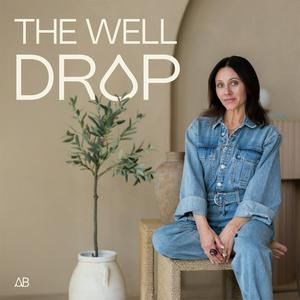
Get the free radio.net app
- Stations and podcasts to bookmark
- Stream via Wi-Fi or Bluetooth
- Supports Carplay & Android Auto
- Many other app features
Get the free radio.net app
- Stations and podcasts to bookmark
- Stream via Wi-Fi or Bluetooth
- Supports Carplay & Android Auto
- Many other app features
The Well Drop: Perimenopause, Hormones & Habit Upgrades for Midlife Women
Scan code,
download the app,
start listening.
download the app,
start listening.
 UK
UK