
Listen to this podcast in the app for free: Download for free in the App Store
radio.net
Sleep timer
Save favourites
131 episodes
Plane Crash Survivor Shares How He Works With His ADHD Brain | Thomas Craig
21/10/2026 | 57 mins.What do you do when you've read the ADHD advice, agreed with it, and still haven't acted on it? In this episode we sit down with Thomas Craig, host of the Sick Burn podcast and a plane crash survivor, for an honest conversation about ADHD, recovery, fear, and building a life that works with your brain.
Thomas shares what working with his brain looked like on the hardest days of recovery, the lessons he carries with him, and how he handles fear today. We also dig into perfectionism, negative self-talk, all-or-nothing thinking, and why showing up imperfectly can move you forward when waiting to feel motivated never does.
If you have ADHD, or love someone who does, this episode is a reminder that tiny steps count and that "good enough" can be enough.
Connect with Thomas
Linktree: https://linktr.ee/SickBurnPod?utm_source=linktree_profile_share<sid=560cc49c-ba0c-45ac-a297-35530fdb1fbb
Youtube: https://www.youtube.com/@sickburnpod
Instagram: https://www.instagram.com/sickburnpod/
Mentioned in this episode:
Recovery and ADHD
Working through fear
Perfectionism vs "good enough"
Why showing up consistently matters
How reflection and being present help on difficult days
Website: https://www.organizinganadhdbrain.com/
Blog: https://www.organizinganadhdbrain.com/blog
Events: https://www.organizinganadhdbrain.com/adhd-events
CONNECT
🔗 Instagram: https://www.linkedin.com/in/megscrawford/
🔗 TikTok: https://www.tiktok.com/@Organizing.an.adhd.brain
🔗 LinkedIn: https://www.linkedin.com/in/MegsCrawford
🔗 Pintrest: https://www.pinterest.com/OrganizingAnADHDBrain/
Editing done by Ian Gilliam at Sabr Media LLC: https://www.iangilliam.com/sabr-media-llc
Share your thoughts with Megs!
Would you like to learn more about hiring Megs as your ADHD coach? Start here> The Perfect Place to Start
The Community is OPEN! Join right here: Organizing an ADHD Brain
You can also learn more about the community HERE> OrganizinganADHDBrain.comWork with Your ADHD Brain: Stop Researching and Get Playing
14/10/2026 | 32 mins.Do you read the advice, agree with it, and then do nothing? You're not alone.
In this episode, we explain how the all-or-nothing mindset and perfectionism keep you stuck, and how play can help you start. You'll learn why researching can become a form of procrastination, why your brain treats new things as dangerous, and how to build self-trust one baby step at a time.
Mentioned in this episode:
Why all-or-nothing thinking and perfectionism stop you from organizing, even when you know exactly what to do
How to interrupt the "I need to research more first" loop and connect your brain to action
How to tell your nervous system you're safe to start without knowing the outcome, so you can build self-trust
How to use play and tinkering to take tiny baby steps, treating failed attempts as data instead of proof you're a failure
Website: https://www.organizinganadhdbrain.com/
Blog: https://www.organizinganadhdbrain.com/blog
Events: https://www.organizinganadhdbrain.com/adhd-events
CONNECT
🔗 Instagram: https://www.linkedin.com/in/megscrawford/
🔗 TikTok: https://www.tiktok.com/@Organizing.an.adhd.brain
🔗 LinkedIn: https://www.linkedin.com/in/MegsCrawford
🔗 Pintrest: https://www.pinterest.com/OrganizingAnADHDBrain/
Editing done by Ian Gilliam at Sabr Media LLC: https://www.iangilliam.com/sabr-media-llc
Share your thoughts with Megs!
Would you like to learn more about hiring Megs as your ADHD coach? Start here> The Perfect Place to Start
The Community is OPEN! Join right here: Organizing an ADHD Brain
You can also learn more about the community HERE> OrganizinganADHDBrain.comBeyond Dopamine: How to find joy with ADHD
07/10/2026 | 24 mins.Do you reach for your phone, a snack, or a drink when you're exhausted and overwhelmed? In this episode of Organizing an ADHD Brain, we explore how to move from cheap dopamine to real joy with ADHD.
We explain why the ADHD brain craves quick dopamine hits when stuck in fight or flight, and Megs shares the small, everyday joys that have helped her practice being present: mini walks, play, family game nights, singing lessons, and more. You'll also learn how micro-practices and a new view of self-care can help you nourish your body and your life without adding another thing to your to-do list.
Mentioned in this episode:
How joy is a more satisfying alternative to cheap dopamine
Simple, low-effort ways to add delight to your week
How self-care can be reframed as "nourishing your body,"
How micro-practices and play build tiny habits that add up
Dopamine Menu (Mentioned in the episode): https://www.organizinganadhdbrain.com/dopaminemenu
Website: https://www.organizinganadhdbrain.com/
Blog: https://www.organizinganadhdbrain.com/blog
Events: https://www.organizinganadhdbrain.com/adhd-events
CONNECT
🔗 Instagram: https://www.linkedin.com/in/megscrawford/
🔗 TikTok: https://www.tiktok.com/@Organizing.an.adhd.brain
🔗 LinkedIn: https://www.linkedin.com/in/MegsCrawford
🔗 Pintrest: https://www.pinterest.com/OrganizingAnADHDBrain/
Editing done by Ian Gilliam at Sabr Media LLC: https://www.iangilliam.com/sabr-media-llc
Share your thoughts with Megs!
Would you like to learn more about hiring Megs as your ADHD coach? Start here> The Perfect Place to Start
The Community is OPEN! Join right here: Organizing an ADHD Brain
You can also learn more about the community HERE> OrganizinganADHDBrain.comNervous System Regulation for ADHD and Trauma | Deserae Kofoed
30/09/2026 | 49 mins.We are joined again by psychotherapist and trauma specialist Deserae Kofoed to talk about what it looks like to notice trauma responses and ADHD overwhelm in real life, and what to do about them.
We share honest, messy, real-world examples of nervous system regulation, emotional triggers, self-compassion, and how to build coping skills when your brain feels hijacked. You'll learn why ADHD symptoms and trauma symptoms can look so similar, why "name it to tame it" works, and why the best time to practice is when you're not flooded.
Mentioned in this episode:
How to spot a trauma or stress response in your body
Practical tools for calming your nervous system
Why kindness beats self-criticism when you're exhausted
The harm reduction approach to coping
Connect with Des!
🌐 Website: https://www.deseraekofoed.com
Resources on ADHD and Executive Function:
(Freebie) Dopamine Menu: https://www.organizinganadhdbrain.com/dopaminemenu
What Are ADHD Executive Functions?: https://www.additudemag.com/slideshow...
How to Improve Executive Function with ADHD: https://www.additudemag.com/how-to-im...
Time Management Skills and Organization Help for ADHD: https://www.additudemag.com/time-mana...
Website: https://www.organizinganadhdbrain.com/
Blog: https://www.organizinganadhdbrain.com/blog
Events: https://www.organizinganadhdbrain.com/adhd-events
CONNECT
🔗 Instagram: https://www.linkedin.com/in/megscrawford/
🔗 TikTok: https://www.tiktok.com/@Organizing.an.adhd.brain
🔗 LinkedIn: https://www.linkedin.com/in/MegsCrawford
🔗 Pintrest: https://www.pinterest.com/OrganizingAnADHDBrain/
Share your thoughts with Megs!
Would you like to learn more about hiring Megs as your ADHD coach? Start here> The Perfect Place to Start
The Community is OPEN! Join right here: Organizing an ADHD Brain
You can also learn more about the community HERE> OrganizinganADHDBrain.comIt’s HARD to Let Go of Things with ADHD
25/09/2026 | 35 mins.Struggle with letting go of clutter, even when you know it's holding you back?
In this episode we break down what letting go actually looks like for the ADHD brain, not the Pinterest-perfect version, but the real, messy, emotional process. We walk through the real reasons ADHDers get stuck in decluttering cycles: overwhelm, emotional decision-making, all-or-nothing thinking, and the myth that the right bin will fix everything.
Learn how to make one decision at a time, build self-trust through small actions, and understand why it’s okay that letting go is uncomfortable. If you're ready to stop buying organizing products as a substitute for actually organizing, this episode is for you.
Mentioned in this episode:
What it actually takes to start letting go of clutter, even when you don't feel prepared
The emotional and executive-function process behind decision-making, decluttering, and organizing with ADHD
Practical mindset shifts for building self-trust, managing emotional discomfort, and creating systems that stick
Resources on ADHD and Executive Function:
(Freebie) Dopamine Menu: https://www.organizinganadhdbrain.com/dopaminemenu
What Are ADHD Executive Functions?: https://www.additudemag.com/slideshow...
How to Improve Executive Function with ADHD: https://www.additudemag.com/how-to-im...
Time Management Skills and Organization Help for ADHD: https://www.additudemag.com/time-mana...
Website: https://www.organizinganadhdbrain.com/
Blog: https://www.organizinganadhdbrain.com/blog
Events: https://www.organizinganadhdbrain.com/adhd-events
CONNECT
🔗 Instagram: https://www.linkedin.com/in/megscrawford/
🔗 TikTok: https://www.tiktok.com/@Organizing.an.adhd.brain
🔗 LinkedIn: https://www.linkedin.com/in/MegsCrawford
🔗 Pintrest: https://www.pinterest.com/OrganizingAnADHDBrain/
Editing done by Ian Gilliam at Sabr Media LLC: https://www.iangilliam.com/sabr-media-llc
Share your thoughts with Megs!
Would you like to learn more about hiring Megs as your ADHD coach? Start here> The Perfect Place to Start
The Community is OPEN! Join right here: Organizing an ADHD Brain
You can also learn more about the community HERE> OrganizinganADHDBrain.com
More Education podcasts






Trending Education podcasts
















About Organizing an ADHD Brain
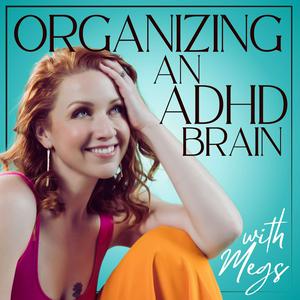
Organizing an ADHD Brain is the podcast for people who are tired of organizing advice that just doesn't stick. Host Megs Crawford — ADHD coach, professional organizer, and fellow ADHDer — goes beyond the bins and labels to explore the whole picture: how your nervous system, beliefs, and environment all work together to either support or sabotage your ability to function.Each episode offers permission-giving, judgment-free strategies rooted in how ADHD brains actually work — because real organization isn't about a perfect system. It's about building a life that works for you.With over 100,000 downloads and counting, this is the show where messy is welcome and progress beats perfect every time.
Podcast websiteListen to Organizing an ADHD Brain, Coffee Break Spanish and many other podcasts from around the world with the radio.net app
Get the free radio.net app
- Stations and podcasts to bookmark
- Stream via Wi-Fi or Bluetooth
- Supports Carplay & Android Auto
- Many other app features
Get the free radio.net app
- Stations and podcasts to bookmark
- Stream via Wi-Fi or Bluetooth
- Supports Carplay & Android Auto
- Many other app features
Organizing an ADHD Brain
Scan code,
download the app,
start listening.
download the app,
start listening.
 UK
UK