
Listen to this podcast in the app for free: Download for free in the App Store
radio.net
Sleep timer
Save favourites
7 episodes

Episode 7 - Colin Butcher, Pet Detective, expert in recovering lost and stolen animals.
01/08/2026 | 2h 13 mins.The conversation covers a wide range of topics related to dog theft and loss.
The conversation delves into the sophisticated operations of dog theft, the role of rural communities, criminal gangs, occupationalists. The conversation covers essential topics related to securing, preventing theft, and recovering lost dogs. It emphasizes the importance of security measures, vulnerabilities, and home security for dogs. Additionally, it covers essential strategies for dog search and rescue, communication risks, engaging the local community, using technology for tracking, preventing opportunistic theft, reward and recovery strategies, and navigating local authority systems.
Takeaways
Dog theft and smuggling have significant impacts on the welfare of dogs and their owners.
Adoption scams and the exploitation of vulnerable dogs are prevalent issues that need to be addressed. Dog theft is a complex and organized criminal activity, involving various categories of thieves and sophisticated operations.
The naivety of dog buyers and the lack of effective legislation contribute to the prevalence of dog theft. Importance of securing dogs during travel and overnight stays
Understanding vulnerabilities and implementing security measures
Strategies for recovering lost dogs and preventing theft Effective dog search and rescue strategies involve understanding the dog's behavior and using the environment to aid in tracking.
Social media can pose risks in the search for a missing dog, and communication should be carefully managed to avoid unwanted attention.
Engaging the local community and utilizing technology can significantly aid in the search and recovery of a missing dog.
Preventing opportunistic theft and understanding the legal implications of dog ownership are crucial in the recovery process.
Chapters
00:00 Introduction and Background
03:12 Early Life and Connection with Dogs
06:10 Work in the Royal Navy and Police Service
09:30 Challenges in Police Dog Training
19:31 Impact of Dog Theft and Smuggling
28:13 Rescue Dogs and Adoption Scams
35:03 Trends in Dog Theft and Exploitation
37:01 The Sophisticated Dog Theft Operations
37:49 The Role of Rural Communities in Dog Theft
38:02 Criminal Gangs and Puppy Buyers
39:02 Occupationalists and High-Value Dogs
41:18 The Naivety of Dog Buyers
43:26 The Opportunist Dog Thieves
01:00:18 The Crazies and Acts of Spite
01:11:12 The Ineffectiveness of Legislation and Law Enforcement
01:15:48 Preventing Dog Theft
01:18:13 Securing Your Dog
01:19:02 Preventing Dog Theft
01:20:10 Security Measures for Dogs
01:21:26 Vulnerabilities and Security
01:22:15 Home Security for Dogs
01:26:00 Tracking and Recovery
01:33:19 Recovering a Lost Dog
01:36:04 Lost Dog Recovery Strategies
01:44:11 Dog Recovery and Prevention
01:53:16 Dog Recovery Challenges
01:56:37 Dog Search and Rescue Strategies
01:58:20 Communication and Social Media Risks
01:59:14 Engaging Local Community in the Search
02:00:07 Using Technology for Tracking
02:03:00 Preventing Opportunistic Theft
02:20:45 Reward and Recovery Strategies
02:37:11 Navigating Local Authority SystemsEpisode 6 - John Cavana, Upland Specialist
01/06/2026 | 1h 10 mins.The conversation covers John's fascination for upland habitats, the training and behaviour of dogs, and wildlife conservation and management. It delves into his personal journey, his experiences with the North York Moors, and the impact of weather and conditions on wildlife behaviour and migration. The conversation explores the impact of scenting conditions on dog behaviour and the importance of understanding the landscape and environmental conditions for maximising the dog's performance. It also explains the learning curve of dogs, the impact of experience on performance, and the potential of dogs as detection machines.
Takeaways
Upland habitat fascination
Training and behaviour of dogs
Wildlife conservation and management Scenting conditions impact dog behaviour
Understanding the landscape and environmental conditions is crucial for maximising the dog's performance
Chapters
00:00 Fascination for Upland Habitats
20:51 Wildlife Conservation and Management
40:00 The Impact of Scenting Conditions
01:03:00 Learning from the DogEpisode 5 - Craig Koshyk, Hunter, Author and Podcaster.
01/05/2026 | 2h 6 mins.Craig Koshyk is author of Pointing Dogs Volume 1 – The Continentals and Volume 2 – The British and Irish Breeds. He also hosts the excellent Hunting Dog Confidential podcast and writes for Project Upland Magazine.
The discussion covers the author's fascination with writing and researching, the discovery of rare and extinct dog breeds, hunting experiences in different countries, and the vastness and diversity of upland bird hunting in North America. The conversation delves into the hunting culture, contrasting the traditional hunting ethos in Manitoba with the more sport-oriented approach in the US. It also explores the hunting culture in Quebec, the impact of market hunting on conservation efforts, and the distinct hunting traits of different breeds. The journey to a new breed of hunting dog is also discussed, highlighting the personal connection to the breed's origin. The conversation delves into the influence of breeding on hunting behavior, the unique characteristics of French dog breeds and culture, the decline of English setters and pointers, the potential development of an English HPR, and the discussion of genetics and breeding practices. The conversation delves into the art of breeding dogs, the impact of selective breeding, the role of true breeders, challenges in dog breeding, testing and proving working abilities, the evolution of dog traits, the impact of breeding practices, the importance of testing and proving, the reality of breeding and hunting, the impact of breeding on working dogs, the significance of honesty in breeding, the experience of English trials, and future plans and trips.
Takeaways
The joy of writing and researching
Discovery of rare dog breeds
Cultural exchange through hunting experiences
The vastness and diversity of upland bird hunting in North America Hunting culture varies between regions, with some emphasizing tradition and sustenance while others focus on sport and economic activity.
The impact of market hunting on wildlife conservation efforts and the subsequent regulations and laws put in place to protect endangered species.
The distinct hunting traits and tendencies of different breeds, and the considerations involved in choosing a new breed for hunting. Breeding significantly impacts hunting behavior
French dog breeds and culture are unique and influential
The decline of English setters and pointers is a notable historical trend
The development of an English HPR is a potential area of interest
Genetics and breeding practices play a crucial role in dog breeding and development Selective breeding shapes dog traits
Testing and proving working abilities is crucial for breeding
Honesty in breeding is essential for the well-being of dogs
Chapters
00:00 The Joy of Writing and Researching
39:22 Hunting Experiences and Cultural Exchange
53:37 The Vastness of Upland Bird Hunting
59:31 Upland Game Hunting: Manitoba vs. the US
01:06:03 Breed-Specific Hunting Traits
01:23:06 German vs. French Breeds in North America
01:31:15 The Journey to a New Breed
01:36:22 French Dog Breeds and Culture
01:41:55 Developing an English HPR
02:03:38 Genetics and Breeding Practices
02:09:06 Challenges in Dog Breeding
02:14:18 The Evolution of Dog Traits
02:20:24 The Reality of Breeding and Hunting
02:37:39 The Experience of English TrialsEpisode 4 - Andy Hughes, Professional Falconer.
31/03/2026 | 1h 16 mins.The conversation delves into the Andy's journey into falconry, starting with his early encounters with birds of prey and the progression to becoming the falconer at Dunrobin Castle. The conversation delves into the art of falconry and grouse hawking, highlighting the expertise and fieldcraft required for success in these pursuits. It also explores the impact of environmental changes on falconry and the role of dogs in falconry and grouse hawking. The conversation covers the adaptation to prey behaviour, the impact of environmental factors bird populations, challenges and conservation efforts, the process of breeding grouse, influential mentors, and the encouragement of new falconers through observation and learning.
Takeaways
Falconry as a Passion
Training and Managing Harris Hawks Fieldcraft and expertise in falconry
The impact of environmental changes on falconry Falconry requires careful observation and adaptation to the behaviour of prey birds.
The impact of environmental factors, such as bird flu and wind turbines, on falconry and bird populations.
Chapters
00:00 The Origins of Falconry Passion
05:23 First Encounters with Birds of Prey
10:59 Training Sparrowhawks and Unconventional Methods
18:39 Transition to Harris Hawks and Their Management
31:03 The Role of Harris Hawks in Falconry
45:17 The Art of Falconry and Grouse Hawking
01:08:50 The Role of Dogs in Falconry and Grouse Hawking
01:26:21 Adapting to Prey Behaviour
01:33:28 Challenges and Conservation
01:43:48 Breeding Grouse
01:52:49 Influential Mentors
01:58:53 Encouraging New FalconersEpisode 3 - Peter O'Driscoll, Champion Pointer, Handler, Trainer and Breeder.
01/03/2026 | 1h 54 mins.The conversation delves into Peter's early experiences with dogs, particularly the remarkable Turpin, and the transition to bird dogs. It also explores pointer training and trials, as well as a discussion on training techniques and tools. The conversation delves into the training of dogs for endurance, the impact of discipline on hunting behaviour, and extreme scenting behaviour exhibited by dogs in different scenarios. It provides insights into dog training techniques and the understanding of scenting behaviour in hunting dogs. The conversation explores the judging of dogs, exploring various scenarios . It also discusses the influence of scent and environmental factors on dog behaviour, as well as the unique characteristics of British breeds and their training methods.
Takeaways
Insights into dog behaviour
Training and working with gun dogs
Understanding Scent
Understanding Dog Behaviour
Chapters
00:00 The Early Years with Dogs
12:13 Transition to Bird Dogs and Training Methods
22:39 Pointer Training and Trials
35:34 Discussion on Training Techniques and Tools
49:20 Training Dogs for Endurance
01:00:35 Discipline and Hunting Behaviour
01:12:00 Extreme Scenting Behaviour
01:30:51 Training and Judging Dogs
01:36:16 Scent and Environmental Factors
01:41:39 British Breeds and Training
More Kids & Family podcasts










Trending Kids & Family podcasts























About GUNDOGS & BEYOND
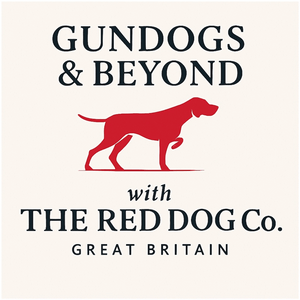
Gundogs & Beyond, hosted by Nick Lambert, is built around informed, thoughtful conversations with experts from across the gundog world and beyond.From top dog men and falconers to habitat specialists and technical experts, the podcast explores the knowledge, experience, and thinking behind success in the field.
Podcast websiteListen to GUNDOGS & BEYOND, Not As We Planned and many other podcasts from around the world with the radio.net app
Get the free radio.net app
- Stations and podcasts to bookmark
- Stream via Wi-Fi or Bluetooth
- Supports Carplay & Android Auto
- Many other app features
Get the free radio.net app
- Stations and podcasts to bookmark
- Stream via Wi-Fi or Bluetooth
- Supports Carplay & Android Auto
- Many other app features

GUNDOGS & BEYOND
Scan code,
download the app,
start listening.
download the app,
start listening.
GUNDOGS & BEYOND: Podcasts in Family
 UK
UK