
Listen to this podcast in the app for free: Download for free in the App Store
radio.net
Sleep timer
Save favourites
58 episodes
Fireworks Terrify Millions of Pets. Should We Change the Law to Protect Them?
16/10/2026 | 11 mins.In this episode of The Consult Room, I’m tackling an issue that affects millions of animals every autumn: fireworks.
For some pets, fireworks aren't simply unsettling. They can trigger severe fear and distress, and in extreme cases animals can injure themselves or become physically unwell.
But should we simply accept that as part of firework season?
A major public consultation has been looking at whether the rules around fireworks should change, including proposals to reduce the maximum permitted noise level of fireworks sold to the public.
In this episode, I look at what those proposed changes could mean for animal welfare and why I believe the unpredictable fireworks going off in gardens for weeks at a time are such a significant part of the problem.
I also cover the practical side, with advice on helping dogs, cats, rabbits, guinea pigs and horses cope with firework season.
In This Episode
Why fireworks can cause such severe fear in animals
The proposed changes to UK firework noise limits
Why unpredictable fireworks can be particularly difficult for pets
Whether quieter fireworks could actually make a difference
How to prepare dogs and cats for firework season
Should you comfort a frightened pet?
Using hiding spaces, background noise and positive associations
When medication may be appropriate
Protecting rabbits, guinea pigs and other small pets
Practical considerations for horses during fireworks
Key Takeaways
Firework fear can have serious welfare consequences for animals
Predictability matters because owners can prepare for organised displays but not unexpected fireworks
Quieter fireworks wouldn't remove every problem, but could reduce some of the impact
Frightened pets should never be punished for their behaviour
Providing a safe hiding place and maintaining a calm environment can help
Severe firework fear should be discussed with your vet in advance wherever possible
Preparing early is much easier than trying to manage severe fear once fireworks have started
🎙️ Can we keep the celebration while reducing the suffering fireworks can cause our animals?
Follow The Consult Room for more evidence-based, practical veterinary insights.Bug Bakes: From Mum’s Kitchen to Dragons’ Den. Is This the Future of Dog Food?
02/10/2026 | 1h 1 mins.In this episode of The Consult Room, I’m joined by Ross Lamond, founder of Bug Bakes, to explore one of the more unusual developments in modern pet nutrition: insect-based dog food.
Ross’s story is anything but conventional. After studying law, he began hand-making insect-based dog treats with his mum in the family kitchen. What started as a one-year experiment eventually took him to Dragons’ Den and helped build one of the UK’s best-known insect-based dog food brands.
But this episode goes much further than the Bug Bakes story.
Ross and I explore the science behind insect protein, how it compares with more conventional animal proteins, and why its potential as a novel protein has attracted interest for dogs with food sensitivities. We also look at how dog food is processed, the arguments around cold-pressed food, and some of the environmental questions surrounding what we put in our dogs’ bowls.
Because once you get past the initial “yuck factor”, insects raise some genuinely interesting questions about how we might feed our dogs in the future.
In This Episode
How Bug Bakes went from Ross’s mum’s kitchen to Dragons’ Den
Why Ross chose insects as an alternative protein source
How insect protein compares with traditional animal proteins
Why novel proteins are interesting for dogs with food sensitivities
What cold-pressed dog food actually means
Processing, ingredients and pet food marketing
The environmental case for insect farming
Why insect-based dog food remains relatively expensive
What Ross would change about pet food labelling and transparency
Key Takeaways
Insect protein is a complete animal protein, despite many people assuming otherwise
Its novelty may make it useful as a protein option for some dogs with food sensitivities
How dog food is manufactured is more complicated than simply labelling one process “good” and another “bad”
Insect farming offers some potentially significant sustainability advantages
Cost and scale remain major barriers to wider adoption
Better transparency could make it easier for owners to understand what they are actually buying
🎙️ Could insects really become a mainstream part of what we feed our dogs? This conversation might make you look at your dog’s bowl a little differently.
Follow The Consult Room for more evidence-based, practical veterinary insights.Guinea Pig Myths Busted: Things You Never Knew About Guinea Pigs
15/09/2026 | 23 mins.In this episode of The Consult Room, we’re continuing the “Things You Never Knew” series - and this time, we’re talking all things guinea pigs.
Guinea pigs are widely kept across the UK, but they’re also one of the most misunderstood pets. They’re often seen as easy, low-maintenance “starter pets” for children - but the reality of their diet, biology, social needs and healthcare is very different.
In this episode, Annie and I bust some of the biggest myths around guinea pig care. We explore why they should never be kept alone, why hay is so important for their teeth and digestion, and the unusual biological reason they need vitamin C every single day.
We also unpack some of their stranger behaviours - from popcorning and wheeking to eating caecotrophs - and explain why these natural prey animals can be incredibly good at hiding signs of illness.
Because guinea pigs might be small, but giving them the life they deserve requires far more knowledge and commitment than many people realise.
In This Episode
Why guinea pigs are not “easy” or low-maintenance pets
Why guinea pigs need a daily source of vitamin C
Why they should never be kept alone
The 85% hay rule - and why diet matters so much
Why guinea pig teeth never stop growing
Popcorning, wheeking and caecotrophs explained
Why the traditional garden hutch may not provide enough space
How guinea pigs hide signs of illness
Why newborn guinea pigs are surprisingly ready for life
Key Takeaways
Guinea pigs are complex pets with specific dietary and welfare needs
Companionship with another guinea pig is an important part of their wellbeing
Hay is essential for both healthy teeth and digestion
Guinea pigs cannot produce their own vitamin C and need a reliable dietary source
Many common health problems can be prevented through better husbandry and understanding
Subtle changes in behaviour or appetite can be important early signs of illness
🎙️ If you already have guinea pigs, or you’re thinking about getting them, this episode might change the way you think about their care.
Follow The Consult Room for more evidence-based, practical veterinary insights.From Herriot’s Bag to Corporate Vets: The New Proposed Veterinary Surgeons Act Reforms
20/08/2026 | 10 mins.In this episode of The Consult Room, I’m breaking down DEFRA’s landmark white paper on reforming the Veterinary Surgeons Act, and how these proposed legal changes will directly impact pet care across the UK.
For nearly 60 years, our profession has been governed by a 1966 law designed for the James Herriot era of home visits. Today, modern veterinary medicine functions much more like human hospital care. Now that the government has officially launched consultations to overhaul the Act, we finally have a blueprint for how every vet practice in the country will operate moving forward.
So what is actually changing on the clinic floor? And more importantly will updating a 60-year-old law make veterinary care any more affordable for pet guardians?
In this episode, I unpack the five core pillars of these proposed reforms, from corporate business regulation and statutory protection for Veterinary Nurses to fitness-to-practice updates and allied professional regulation. I also share my candid perspective on why legal reform won't magically lower your vet bills, but how it can restore crucial transparency and trust to modern pet care.
In This Episode
Why the 1966 Veterinary Surgeons Act is no longer fit for modern pet care
Licensing practice businesses: holding corporate owners accountable for clinical standards
Ending the legal loophole: protecting the Veterinary Nurse title by law
Modernizing fitness to practice and moving toward continuous competence
Bringing physios, hydrotherapists, and allied professionals under one umbrella
The cost reality: why legal reform won't stop economic inflation or lower equipment costs
What these changes actually deliver: price transparency, clear delegation, and independent ombudsman access
Key Takeaways
Modern vet care has outgrown a law written for single-practitioner home visits
Business owners, non-clinical or corporate, will now be held legally accountable alongside vets
Legal protection for RVNs will elevate workforce efficiency and expand clinical care options
Upfront pricing lists and business transparency aim to rebuild client trust
Updating legislation improves governance, but high-level advanced medicine carries inherent costs
🎙️ If you find these insights helpful, follow The Consult Room and share it with other pet guardians navigating the changing world of modern pet care.Could Your Cat Help Unlock Cancer Research?
05/08/2026 | 8 mins.In this episode of The Consult Room, we’re diving into a piece of research that sounds surprising on the surface - but opens up a fascinating conversation about how we understand disease. We’re exploring the hidden genetic link between cats and human cancer.
Cats and humans share some of the exact same cancer-driving genetic mutations, including changes in a gene known as TP53, often called the "guardian of the genome". Because our pets share our homes, environments, and lifestyles, the naturally occurring cancers they develop offer unique insights into real-world disease that traditional laboratory models simply can't match.
In this episode, I break down the emerging field of comparative oncology and what this shared biology means for the future of medicine. We explore whether studying feline health could help unlock human treatments - and why, as pet owners and professionals, we need to balance scientific curiosity with a healthy dose of clinical realism.
In This Episode
What the TP53 gene is and why it's considered the body’s ultimate defense mechanism
Why studying naturally occurring cancers in cats is catching scientists' attention
How comparative oncology bridges the gap between human and veterinary medicine
The concept of a "One Health" approach to understanding disease across species
The crucial difference between a scientific insight and an instant clinical cure
Ethical considerations around animal welfare and data in medical research
Key Takeaways
Cancers in cats can share fundamental biological pathways with human cancers
Pets living alongside us offer a more realistic mirror for disease than lab-created models
A shared genetic mutation does not mean diseases are identical or cured the same way
The future of medicine lies in breaking down silos between human and animal health
Research must be interpreted carefully to avoid overpromising real-world impacts
🎙️ If you’re curious about the future of veterinary science and how animal health impacts human medicine, this episode is well worth a listen.
Follow The Consult Room for more evidence-based, practical veterinary insights.
More Kids & Family podcasts


Trending Kids & Family podcasts





About The Consult Room
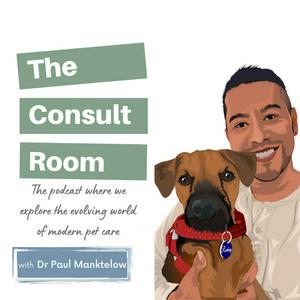
The Consult Room is the podcast that explores the evolving world of modern pet care.
Hosted by vet surgeon Dr Paul Manktelow, each episode dives into the key issues shaping the lives of pets and the people who love them.
Whether you're looking for deeper insight into modern veterinary healthcare, curious about the pet care industry, or simply passionate about animal welfare, The Consult Room brings clarity, compassion, and real-world expertise to the conversation.
Visit www.theconsultroom.co.uk or get in touch at hello@theconsultroom.co.uk.
Podcast websiteListen to The Consult Room, Greeking Out from National Geographic Kids and many other podcasts from around the world with the radio.net app
Get the free radio.net app
- Stations and podcasts to bookmark
- Stream via Wi-Fi or Bluetooth
- Supports Carplay & Android Auto
- Many other app features
Get the free radio.net app
- Stations and podcasts to bookmark
- Stream via Wi-Fi or Bluetooth
- Supports Carplay & Android Auto
- Many other app features

The Consult Room
Scan code,
download the app,
start listening.
download the app,
start listening.
 UK
UK