

Listen to this podcast in the app for free: Download for free in the App Store
radio.net
Sleep timer
Save favourites
172 episodes

Good Enough Daughtering With Dr. Allison Alford
14/09/2026 | 51 mins.In this episode of Sisters in Sobriety, Sonia explores the invisible work adult daughters perform to keep families connected. With communication scholar, Baylor professor and Good Daughtering author Dr. Allison M. Alford. Dr. Alford helps women recognize how family roles can shape self-worth, perfectionism, resentment and coping.
Why are daughters so often expected to organize, anticipate needs and smooth over conflict? How do culture, birth order and family expectations influence daughtering? And why can a son receive enormous praise for a small gesture while a daughter feels she is always falling short?
Dr. Alford defines daughtering as the mental, emotional, logistical and identity work daughters do for their families. She explains how to make that labor visible, establish boundaries without turning them into ultimatums, distinguish venting from rumination and replace impossible A+ expectations with a sustainable B+ standard.
She also shares how her own family relationships changed when she stopped building connection around complaints and enlisted her husband, children and sister in creating new conversation patterns. Her message is simple: every woman is already a good-enough daughter and has agency in deciding how that role will fit into her life.
This is Sisters in Sobriety, the support community that helps women change their relationship with alcohol. Check out our substack for extra tips, tricks and resources.
Dr. Alford’s Links
🌐 Daughtering 101 Website
📕 Good Daughtering
📸 Instagram
SIS Links
💌 Sisters In Sobriety Substack – where the magic (and the mocktail recipes) happen
📬 Sisters In Sobriety Email
📸 Sisters In Sobriety Instagram
🌐 Kathleen’s Website Kathleen does not endorse any products mentioned in this podcast
📸 Kathleen’s Instagram
Timestamped Highlights
01:00 — Dr. Allison Alford introduces her work on daughtering
05:00 — Defining the overlooked cost of being a good daughter
07:00 — Why women’s caring roles are so often called mothering
10:00 — Honoring daughterhood as a distinct part of identity
12:00 — Choosing how fully to show up in family roles
14:00 — Daughters as the behind-the-scenes family CEOs
16:00 — How daughter conditioning develops from childhood
18:00 — Why sons receive praise for exceeding lower expectations
22:00 — Culture, geography and privilege shape daughtering
24:00 — The unspoken rules daughters are expected to follow
27:00 — How impossible standards create a fog of failure
30:00 — Creating a personal B+ daughter rubric
32:00 — The relationship between resentment and self-abandonment
34:00 — Boundaries as fences around emotional and physical space
36:00 — Recognizing when family venting becomes rumination
38:00 — Communicating a boundary once—and following through
40:00 — Making invisible daughtering labor visible
43:00 — Building a Plan B for healthier family conversations
46:00 — Eldest and only daughters face distinct pressures
50:00 — Every daughter gets to decide what “good enough” meansWriting a Joyful Recovery Story with Kerri Maher
07/09/2026 | 55 mins.In this episode of Sisters in Sobriety, Sonia explores the connection between sobriety, creativity, and reinvention with Kerri Maher, the USA Today bestselling author of The Paris Bookseller and The Kennedy Debutante. Kerri discusses her four years of sobriety and her deeply personal new novel, Summer of Love, set in California and centered on addiction, family, recovery, and hope.
What happens when someone’s drinking does not produce a cinematic rock bottom, but no longer feels sustainable? How can people find recovery support outside traditional 12-step programs? Sonia and Kerri discuss sober identity, online community, emotional sobriety, belonging, and the many different paths people can take toward changing their relationship with alcohol.
Kerri explains how The Luckiest Club helped her find her people, why sobriety and writing are both daily practices, and how greater clarity changed her creative and professional decisions. She also shares how The Artist’s Way, morning pages, artist dates, and an “adjacent art” with no pressure attached helped her develop Summer of Love.
Kerri’s story reveals a quieter, joyful vision of recovery: clear mornings, renewed confidence, richer emotions, and the freedom to experience places such as Napa beyond their drinking culture. She also reflects on generational addiction, “good girl” identity, sober travel, and writing a novel that allows recovery to be hopeful rather than punishing.
This is Sisters in Sobriety, the support community that helps women change their relationship with alcohol. Check out our substack for extra tips, tricks and resources.
Kerri’s Links
📚 Summer of Love
📸 Instagram: @kerrimaherwriter
SIS Links
💌 Sisters In Sobriety Substack – where the magic (and the mocktail recipes) happen
📬 Sisters In Sobriety Email
📸 Sisters In Sobriety Instagram
🌐 Kathleen’s Website Kathleen does not endorse any products mentioned in this podcast
📸 Kathleen’s Instagram
Timestamped Highlights
01:00 — Kerri introduces her sobriety and Summer of Love
04:00 — The small moments that made Kerri question her drinking
05:00 — An early 15-to-18-month period without alcohol
08:00 — How The Luckiest Club began and became Kerri’s community
10:00 — Finding accessible support during the sandwich-generation years
14:00 — Is recovery’s “special sauce” the program or the community?
17:00 — Emotional sobriety, anger management, and continued inner work
19:00 — Writing and sobriety as practices built through repetition
21:00 — How alcohol created subtle brain fog without stopping productivity
26:00 — The personal origins of Summer of Love
28:00 — Morning pages bring the book’s characters and plot together
31:00 — Watercolor play as relaxing, pressure-free creativity
33:00 — Writing about recovery as joyful rather than punishing
35:00 — Clear mornings and dependable presence as everyday sober joy
43:00 — Exploring generational patterns of addiction
46:00 — Looking beyond wine culture in Napa Valley
49:00 — Rediscovering California through food, landscape, and connection
53:00 — Sober travel and experiencing mornings without a hangover
54:00 — Kerri’s message to sober and sober-curious readers
55:00 — Closing the conversationMystical Mocktails: Drinking With Intention With Julia Hadas
31/08/2026 | 1h 1 mins.On this episode of Sisters in Sobriety, Sonia explores how alcohol-free drinks can become meaningful rituals rather than consolation prizes with bestselling author and mixologist Julia Halina Hadas, whose book Mystical Mocktails combines zero-proof recipes with intention, connection and everyday magic.
What makes a mocktail feel complete? How can flavor, aroma, temperature and glassware change the experience? Julia explains why people often seek more than alcohol from a drink—and how a thoughtfully made alternative can offer beauty, pleasure and social connection without the buzz.
The conversation covers practical building blocks such as citrus, sweeteners, tea, coconut water, herbs, spices and garnishes. Julia shares how mint can suggest renewal, maple and black tea can feel grounding, and rose can represent connection. She also explains how to prevent watery tea-based drinks, balance sweetness and acidity, order creatively at a bar and pair affirmations with the physical act of drinking.
Julia also reflects on pregnancy, her husband’s sobriety and the importance of recognizing when alcohol-removed products feel triggering. She shares how creating her Rose of Remembrance recipe unexpectedly helped her process grief following her father’s death—showing how an intentional drink can hold memory, emotion and healing.
This is Sisters in Sobriety, the support community that helps women change their relationship with alcohol. Check out our substack for extra tips, tricks and resources.
Julia’s Links
Website: WitchCraft Cocktails
Instagram: @witchcraftcocktail
Book: Mystical Mocktails
SIS Links
💌 Sisters In Sobriety Substack – where the magic (and the mocktail recipes) happen
📬 Sisters In Sobriety Email
📸 Sisters In Sobriety Instagram
🌐 Kathleen’s Website Kathleen does not endorse any products mentioned in this podcast
📸 Kathleen’s Instagram
Timestamped highlights
01:00 — Meet bestselling author and mixologist Julia Halina Hadas
02:00 — Making zero-proof drinks before nonalcoholic spirits were widely available
04:00 — Seeking connection and a change in feeling through drinks
06:00 — Bringing herbs and intention into mixology
07:00 — Magic, spirituality and reclaiming personal power
09:00 — Using maple and black tea to create a grounding drink
11:00 — The Rose of Remembrance recipe and processing grief
12:00 — Why yuzu can transform an alcohol-free drink
14:00 — How garnishes and aroma elevate the experience
17:00 — Mint, cucumber, strawberry, basil and rose as intentional ingredients
20:00 — Preventing tea-based mocktails from becoming watery
22:00 — Adding cardamom, cinnamon, nutmeg and clove
25:00 — The color-changing magic of butterfly pea flower
27:00 — Tea ceremonies, presence and the Jasmine Peace Potion
30:00 — Making drink preparation part of a personal ritual
32:00 — Why glassware can make an ordinary moment feel special
35:00 — The cup as a symbol of what a person welcomes into their life
39:00 — Pairing affirmations with the physical act of drinking
47:00 — How to order a more interesting mocktail at a bar
56:00 — Protecting sobriety when alcohol-removed drinks feel triggeringThe Midlife Body With Dr. Shawna Darou
24/08/2026 | 1h 7 mins.Midlife can make a woman feel as though her body has suddenly changed the rules—but those changes are not a personal failure, and they are not “just aging.” In this episode of Sisters in Sobriety, Sonia and Kathleen help unpack the relationship between perimenopause, metabolic health, alcohol, blood sugar, stress and movement with Dr. Shawna Darou, ND. A naturopathic doctor with more than 20 years of experience, Dr. Darou translates complex women’s health information into clear, practical steps for building strength and vitality through midlife and beyond.
Why does alcohol suddenly hit harder in midlife? What do belly weight, brain fog, disrupted sleep, afternoon fatigue and persistent food noise reveal about insulin resistance? How can women use GLP-1 medications and continuous glucose monitors more responsibly—and why can excessive fasting or carbohydrate restriction backfire? The conversation also explores sugar cravings in early sobriety, chronic stress, menopause and the habits that support long-term metabolic health.
Dr. Darou explains why menopause is a metabolic transition, not only an estrogen transition; how alcohol interrupts nighttime blood sugar regulation and fat oxidation; and why muscle acts as a “metabolic sink.” She shares a realistic starting point: prioritize protein, add daily movement, walk after meals and build strength gradually. Flexible consistency, proper recovery and movement that feels genuinely enjoyable matter more than perfection.
Dr. Darou also shares her unexpected evolution from engineer to naturopathic doctor—and from someone who did not identify as an athlete to a competitive runner who began racing at 50. Her story challenges narrow ideas about aging and shows how confidence, community and ambitious new goals can emerge later in life.
This is Sisters in Sobriety, the support community that helps women change their relationship with alcohol. Check out our substack for extra tips, tricks and resources.
Timestamp Highlights
01:00 — Meet Dr. Shawna Darou
02:00 — From engineering to women’s health
05:00 — The pandemic’s metabolic impact
06:00 — Movement as a longevity lever
07:00 — Becoming an athlete at 49
09:00 — Why women over 40 need new possibilities
13:00 — Metabolic health beyond weight
15:00 — Early signs of metabolic dysfunction
17:00 — How insulin resistance fuels cravings
18:00 — Reversing dysfunction without diet culture
20:00 — GLP-1 benefits and risks
23:00 — Why midlife changes the rules
26:00 — Using a continuous glucose monitor responsibly
32:00 — Chronic stress and blood sugar
35:00 — What alcohol does metabolically
38:00 — Why alcohol hits harder in midlife
39:00 — Sugar cravings in early recovery
41:00 — The “yes with a boundary” approach
47:00 — Protein and post-meal movement
56:00 — Flexible consistency, intensity and recovery
Dr. Darou’s Links
Website — www.drshawnadarou.com
Instagram — @drshawnadarou
SIS Links
💌 Sisters In Sobriety Substack – where the magic (and the mocktail recipes) happen
📬 Sisters In Sobriety Email
📸 Sisters In Sobriety Instagram
🌐 Kathleen’s Website Kathleen does not endorse any products mentioned in this podcast
📸 Kathleen’s InstagramGetting Sober, Coming Out, and Starting Over With Braunwyn Spinner
17/08/2026 | 53 mins.What happens when alcohol feels like the only way to become comfortable in your own skin? In this episode, Sonia is joined by Braunwyn Spinner, advocate, mother of seven, and former Real Housewives of Orange County cast member whose sobriety unfolded in public.
How can someone go years without alcohol and still have a serious drinking problem? What changes when a social life—and a television career—is built around drinking? Braunwyn and Sonia explore relapse, alcohol withdrawal, AA and the 12 steps, sober socializing, queer recovery spaces, codependency, parenting, and the difference between avoiding alcohol and developing emotional sobriety. They also ask why getting sober can initially feel worse, how to identify the “fun limit,” and what it means to choose recovery when relationships and routines begin to change.
Their conversation makes clear that alcohol dependence is not defined only by how often a person drinks, but by what happens after the first drink. They discuss why heavy withdrawal should never be attempted alone, how independent transportation and an exit plan can protect early sobriety, and why repeatedly stopping for a few days can mean reliving the hardest stage again and again. Recovery can include community, boundaries, therapy, medication, and learning to recognize the restless “wanting” beneath substitute compulsions.
Braunwyn also shares the deeply personal story behind her first drink at 14, the moment in Miami that ended her drinking, and the sober producer who helped get her into an AA meeting when she planned to relapse. She opens up about realizing she was gay in sobriety, leaving a decades-long marriage, co-parenting, becoming more present with her children, surviving a mental health crisis, returning to television, and loosening the hold of beauty standards and the male gaze.
This is Sisters in Sobriety, the support community that helps women change their relationship with alcohol. Check out our substack for extra tips, tricks and resources.
Highlights
00:01 – Braunwyn introduces herself in a new chapter as Braunwyn Spinner
00:02 – Why her first drink made her feel comfortable in her skin
00:04 – The difference between abstinence and working a recovery program
00:05 – Why time between drinks does not rule out alcohol addiction
00:07 – How reality television accelerated her drinking
00:09 – The “God shot” that told her drinking had to end
00:12 – Sonia’s final drink and the unexpected day sobriety began
00:14 – What the first 30 days can feel like
00:16 – The sober producer who helped save Braunwyn’s life
00:19 – Finding comfort instead of judgment in AA
00:21 – Sobriety, stillness, and realizing she was gay
00:23 – Protecting early recovery with a private room, car, and exit plan
00:24 – Recognizing the sober “fun limit”
00:27 – Braunwyn’s first sober kiss with a woman
00:29 – How sobriety exposed codependency and changed her marriage
00:34 – Parenting with presence and making living amends
00:36 – Why emotional health can feel worse before it gets better
00:38 – Queer identity, religious trauma, and addiction risk
00:42 – Recognizing substitute addictions and the feeling of “wanting”
00:52 – Why giving sobriety six weeks can change everything
Braunwyn's Links
📸 Instagram
SIS Links
💌 Sisters In Sobriety Substack – where the magic (and the mocktail recipes) happen
📬 Sisters In Sobriety Email
📸 Sisters In Sobriety Instagram
🌐 Kathleen’s Website Kathleen does not endorse any products mentioned in this podcast
📸 Kathleen’s Instagram
More Education podcasts
 Motivation Daily by MotiversityEducation, Health & Wellness, Self-Improvement
 A Little Bit RicherBusiness, Education, Investing, Self-Improvement, Society & Culture
 Coffee Break SpanishCourses, Education, Language Learning
 The Rich Roll PodcastEducation, Health & Wellness, Self-Improvement, Society & Culture
 The Mel Robbins PodcastEducation, Health & Wellness, Mental Health, Relationships, Self-Improvement, Society & Culture
 Law of Attraction SECRETSEducation, Self-Improvement
 The Problem of Money PodcastBusiness, Education, Investing, Self-Improvement
 How to Be a Better HumanEducation, Self-Improvement
 Law of Attraction Changed My LifeEducation, Kids & Family, Parenting, Religion & Spirituality, Self-Improvement, Spirituality
 Begin Again with Davina McCallEducation, Health & Wellness, Mental Health, Self-Improvement, Society & Culture
Trending Education podcasts
 Coffee Break ChineseCourses, Education, Language Learning
 OMEGA MALEEducation, Relationships, Self-Improvement, Society & Culture
 The Art of AccomplishmentBusiness, Education, Health & Wellness, Management, Mental Health, Self-Improvement
 French With Panache - Interesting Conversations in Real FrenchEducation, Language Learning, Society & Culture
 Learn Spanish: Notes in Spanish Inspired BeginnersEducation, Language Learning
 A Zero To A Hero: Learn Spanish!Courses, Education, Language Learning
 {ungeskriptet} - Der Meinungsfreiheit verpflichtet.Education, Self-Improvement, Society & Culture
 The Manifest MovementBusiness, Education, Religion & Spirituality, Self-Improvement, Spirituality
 Maximized Minimalist PodcastEducation, Health & Wellness, Mental Health, Self-Improvement
 Learning French by AccidentCourses, Education, Language Learning
 Easy FrenchEducation, Language Learning
 Figuring Out with Raj ShamaniBusiness, Education
 The Art of Public SpeakingEducation, Self-Improvement, Tutorials
 Origin Story with David McIntosh JrEducation, Tutorials
 On Your MarksEducation, Tutorials
 French for BeginnersComedy, Education, Language Learning
About Sisters In Sobriety
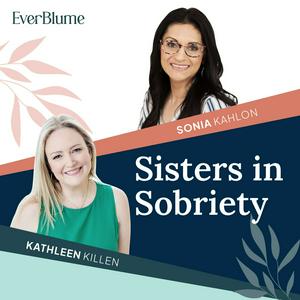
You know that sinking feeling when you wake up with a hangover and think: “I’m never doing this again”? We’ve all been there. But what happens when you follow through? Sonia Kahlon and Kathleen Killen can tell you, because they did it! They went from sisters-in-law, to Sisters in Sobriety. In this podcast, Sonia and Kathleen invite you into their world, as they navigate the ups and downs of sobriety, explore stories of personal growth and share their journey of wellness and recovery. Get ready for some real, honest conversations about sobriety, addiction, and everything in between. Episodes will cover topics such as: reaching emotional sobriety, how to make the decision to get sober, adopting a more mindful lifestyle, socializing without alcohol, and much more. Whether you’re sober-curious, seeking inspiration and self-care through sobriety, or embracing the alcohol-free lifestyle already… Tune in for a weekly dose of vulnerability, mutual support and much needed comic relief. Together...
Podcast websiteListen to Sisters In Sobriety, Motivation Daily by Motiversity and many other podcasts from around the world with the radio.net app
Get the free radio.net app
- Stations and podcasts to bookmark
- Stream via Wi-Fi or Bluetooth
- Supports Carplay & Android Auto
- Many other app features
Get the free radio.net app
- Stations and podcasts to bookmark
- Stream via Wi-Fi or Bluetooth
- Supports Carplay & Android Auto
- Many other app features

Sisters In Sobriety
Scan code,
download the app,
start listening.
download the app,
start listening.
 UK
UK