

Listen to this podcast in the app for free: Download for free in the App Store
radio.net
Sleep timer
Save favourites
11 episodes
Reflections from the Treacle Tin - Season 1
26/11/2025 | 54 mins.In this special wrap-up episode, Anna and Stuart look back on ten sticky questions, ten brilliant guests, and the community that has powered Season 1 of Aunty Treacle.
Together, they revisit why Aunty Treacle began, as an “agony aunt for the safety professional” and anyone feeling stuck at work, and what they’ve learned from the conversations that followed. From imposter feelings and people leadership to overwhelm, paperwork, and resistance to change, this episode pulls out the golden threads that have run through the season.
This time there’s no guest in the Treacle Seat, just the hosts sharing honest reflections, favourite moments, and the phrases that might just become tattoos (looking at you, “Go where you’re celebrated, not tolerated”).
Key Topics CoveredWhy Aunty Treacle exists
The original idea: an agony aunt for safety and work, crowdsourcing wisdom so people don’t feel alone with sticky problems.
The power of community
How listener questions and shared advice have fuelled the series – and given Anna and Stuart the energy to keep going through very busy years.
Owning the room (Episode 1 – Zoe Hayes)
Introversion as a superpower, preparation, positioning yourself in the room, and building allies in the “back channel.”
Living with your inner critic (Episode 2 – David Filshie)
Imposter feelings, naming your inner voice (“Brenda”), and seeing confidence as the outcome of action, not a prerequisite.
Credit without arrogance (Episode 3 – Ruth Denyer)
Talking about your work with humility, using “we” not “I,” and why real visibility comes from doing the work with people, not above them.
Setting up for success (Episode 4 – Gareth Evans)
“Assume good intent,” connect before you direct, listen first, and shift from doing to thinking and orchestrating.
Is safety still for me? (Episode 5 – Steph Camm)
Knowing your worth, realising sometimes it’s the environment not the profession, and treating job moves a bit more like dating.
The Sticky Middle of leadership (Episode 6 – Oli Sanandres)
Moving from peer to leader, letting go of being the hero, redefining success through others, and making time to think as part of the job.
Overwhelm & capacity (Episode 8 – Helen Davitt)
Normalising overwhelm without accepting it as “forever,” having honest conversations about capacity, and remembering “you can’t fix a secret.”
“I feel like a filing cabinet” (Episode 9 – Helen Rawlinson)
Challenging paperwork that doesn’t keep people safe, starting small with micro-experiments, and designing safety around real work, not just systems.
Change, resistance & self-worth (Episode 10 – Crystal Danbury)
Conscious vs unconscious change, changing your approach not your purpose, intentional language and metrics, and the big one:
“Go where you’re celebrated, not where you’re tolerated.”
Personal growth behind the mic
How hosting has stretched both Anna and Stuart, in holding space, listening, and trusting themselves – and why they’re proud simply to have finished a thing.
Resources & ReferencesThemes & tools revisited from across the season:Confidence as action, not personality
“Connect before you direct” & assume good intent
Balcony vs dance floor perspectives on work
Micro-experiments and “start small, prove it works”
Language shifts: from accidents & compliance to harm, care & impact
“Go where you’re celebrated, not tolerated”
Guests from Season 1:Zoe Hayes – being heard as an introvert
David Filshie – imposter syndrome & self-belief
Ruth Denyer – visibility with humility
Gareth Evans – stepping into big leadership roles
Steph Camm – purpose and staying (or leaving) safety
Oli Sanandres – the sticky middle of people leadership
Helen Davitt – overwhelm and prioritisation
Helen Rawlinson – paperwork, bureaucracy & real safety
Crystal Danbury – influence, change & knowing your worth
We’d Love Your Feedback!
Which episode stuck with you most?
What have you tried?
What’s still feeling sticky?
Share your reflections, experiments, or new questions with us at ask@auntytreacle.com or tag us on socials. The Aunty Treacle inbox stays open between seasons.
Next Episode Teaser Season 2 - coming soon.
More sticky questions, more Spoonfuls, more cans of sanity and solutions , and more voices from a community that’s determined to make work better.They Won’t Adopt My Idea
05/11/2025 | 57 mins.In this episode, Anna, Stuart, and guest Crystal Danbury tackle a challenge many professionals will recognise:
“Dear Aunty Treacle, I’m struggling to drive change in an organisation that seems deeply resistant to it. I have ideas to improve safety and even have support from colleagues, but senior operational leaders won’t listen. They’re not open to experimenting, even with low-risk suggestions. I keep hitting a wall and it’s wearing me down. How do I influence change when the resistance is coming from powerful leaders? How do I keep going, or is this a sign I should stop trying?”
Crystal brings honesty and hard-won experience from complex, high-stakes environments to explore how to build influence, create momentum and protect your energy when the door won’t budge (yet). Together, they unpack practical ways to connect your ideas to what the business cares about, and when to persist, pivot or pause.
Key Topics Covered:
Conscious vs. unconscious change - creating want/need and shifting language, not just launching projects
Start with their win - link your proposal to the organisation’s mission, metrics and pain points
Stakeholder conversations that land - ask what success looks like for them and map the change curve
Change your approach, not your purpose - adapt pace and style without losing who you are
From resistance to curiosity - exploring fear, fatigue, timing and trade-offs beneath a “no”
Micro-experiments - small, low-risk trials (and when to ask forgiveness, not permission)
Metrics that matter - brief, human-centred reporting (harm and care over pages of data)
Go where you’re celebrated (not tolerated) - know when to move on
Resources & References:
How to Be More Pirate – Sam Conniff (principled, practical rebellion)
Change curve models for leaders and teams
Stakeholder interview prompts (purpose, success, constraints, timing)
Language reframes for reporting (harm, care, recoverable vs. life-changing injuries)
We’d Love Your Feedback!
Tried a micro-experiment that worked, or hit a wall? Tell us at ask@auntytreacle.com or tag us on socials.
Next Episode Teaser: Season 1 Wrap-Up (Hosts’ Special) - the stickiest lessons, favourite Spoonfuls, and what’s coming next.Is All This Paperwork Actually Keeping People Safe?
14/10/2025 | 55 mins.In this episode, Anna, Stuart, and guest Helen Rawlinson tackle a question that hits close to home for many safety professionals:
“Dear Aunty Treacle, I feel like a filing cabinet. I’m full of paperwork and have no room for the human interactions I believe are critical for keeping people from harm and understanding what’s really happening in my workplace. So quite simply, is all this paperwork actually keeping people safe?”
Helen brings honesty and humour to a lively conversation about bureaucracy, systems and red tape, exploring whether endless forms and checklists actually make work safer, or simply make us feel safe.
Together, they unpack how to cut through the noise, challenge outdated practices, and focus on what truly matters: meaningful conversations and human connection.
Key Topics Covered:
• The “filing cabinet” feeling – bureaucracy overload and burnout
• The 80/20 fallacy – most systems go far beyond what’s legally needed
• The illusion of accountability – paperwork vs. purpose
• How to start challenging and simplifying safely
• Shifting from expert to conduit – facilitating rather than controlling
• Practical ways to bring curiosity and critical thinking into your work
• When to stop doing things that don’t add value
• Replacing compliance comfort with real conversations
Resources & References:
• Paper Safe by Greg Smith – a must-read for safety professionals
• Work as Imagined vs. Work as Done – Steve Shorrock
• Deloitte research on compliance vs. impact
• Normal Work Reviews – learning by doing, not auditing
• Hierarchy of Control – remembering PPE sits at the bottom
We’d Love Your Feedback!
Feeling buried in bureaucracy or fighting the same battle? Tell us your story at ask@auntytreacle.com or tag us on socials.
Next Episode Teaser: They Won’t Adopt My Idea - how to influence change when the resistance is coming from the top.Getting Control Back When Feeling Overwhelmed
24/09/2025 | 48 mins.Welcome back to Aunty Treacle after the summer break!
This episode tackles a universal challenge: feeling constantly overwhelmed by work coming at you at pace, feeling reactive rather than proactive, and struggling to focus on what truly matters and makes an impact.
The Listener Question
"Dear Aunty Treacle, I feel constantly overwhelmed as there is so much work coming at me at pace. As a result, I feel like I am constantly reacting and I don't feel like I am getting to the stuff that actually matters, makes a difference and makes an impact. Can you please help me get some control back and feel effective in my work?"
Key Insights & Strategies
Take a Breath and Step Back
The Foundation: While feeling overwhelmed is normal, we must question how long we allow this to be "normal." The first step is recognizing when daily churn becomes ever-encroaching.
The Balcony vs. Dance Floor Approach (Andrew Barrett's insight):
Remove yourself from the situation to gain perspective
Like a chess grandmaster observing the board rather than just making the next move
Brief pauses for reflection (alone or with colleagues) can reset clarity and priorities
Sometimes doing something isn't the solution—it can reinforce the overwhelm cycle
Personal Foundations First
Before tackling organizational issues, address your individual resilience:
Maintain energy-giving activities: Don't stop going to the gym, reading, or other activities that help you perform
"An empty vessel serves no one": Prioritize self-care to have the resilience for difficult conversations
Energy management: Protect your energy, especially before busy seasons
Sleep, exercise, nutrition: These become critical during high-demand periods
The Art of Saying No
Hell Yes or Hell No Framework (Derek Shivers):
Instead of learning to say no, define what makes something a "yes"
When you know your "yes" criteria, saying no becomes easier and less awkward
Powerful reframe: "If I say yes to this, what am I saying no to?"
Subtraction over Addition:
Focus on what to stop or pause, not just what to start
Test approach: Don't do something for a month—if nobody notices, it's not a priority
Pausing is less confrontational than stopping
Prioritization Strategies
The Eisenhower Matrix & Beyond:
Map tasks on urgent vs. important axes
Focus on high health and safety impact, low effort activities where possible
Tools mentioned: PARA method, Eisenhower Matrix, Dichotomy of Control
Strategic Questioning:
What's the value? Is it actually making work safer or just making us feel better?
What's the intended output and impact?
If it doesn't fit within your organizational strategy, question why you're doing it
Don't Chase Every Email:
Some things resolve themselves if left alone
Create space between stimulus and response
Use rules to manage inbox (filter "for info" emails into folders)
Managing Perfectionism
"Perfect is the enemy of good": Don't let perfection get in the way of better
"Done is better than perfect": Sometimes action and progress matter more than a perfect finished product
Experiment, fail fast, iterate, learn, evolve
Ask: "Is it good enough?" Then get it out and test it
Time and Energy Management
Time Blocking Strategies:
Block thinking time in your calendar (others just see "meetings")
Be proactive about organizational cadences (monthly/quarterly reporting)
Block out predictable busy periods in advance
Even if you don't finish everything, you make progress
Analyze Your Time Usage:
Study how you actually spend time—it's your rarest resource
Look back at tasks and assess how they help achieve long-term goals
Reflect daily: How did I use my time? How did this compare to my plan?
Fact vs. Story: Video camera facts vs. stories we tell ourselves
Team and Organizational Strategies
Know Your Team's Strengths:
Map activities to people's strengths and preferences
Don't carry people or make up for deficiencies elsewhere
Be honest about whether you're being given more work because you're effective
Communication is Key:
"You can't fix a secret": If nobody knows you're overwhelmed, nothing will change
Have honest conversations with managers about capacity and priorities
Ask for help with reframing priorities
Sample approach: "I need to prioritize X, Y, Z, so I'm suggesting changing timescales for other deliverables"
Sprint vs. Marathon Approach:
Sometimes work like a lion—put intense energy where it's really needed
Know when you can take your foot off the gas
Short bursts of focus on specific areas can create momentum
Reflection and Celebration
Stop and celebrate wins: Look back over 6 months and acknowledge achievements
Safety professionals are humble—don't be afraid to wave your flag
Communicate successes to stakeholders
Counter the hamster wheel: We often don't pause to see how much we've actually accomplished
Community Insights Summary
Jason Catterson - Frameworks & Reset Moments:
Use practical tools: PARA method, Eisenhower Matrix, Dichotomy of Control
Don't chase every email—sometimes things resolve themselves
Step away to reset; even a few minutes of breathing space helps
Chris Hewitt - Communication & Time Blocking:
Talk to your manager—others can help share the load
Block focused time in your diary
Use inbox rules to manage information flow
Peter Jenkins - Getting Extra Support:
Sometimes overwhelm links to deeper factors (ADHD, mental health)
Therapy, coaching, or diagnosis can unlock new management strategies
We're all human and sometimes need more than productivity hacks
Andrew Barrett - The Balcony vs Dance Floor:
Gain perspective by stepping away from the immediate situation
Brief pauses for reflection can reset priorities and clarity
The Prescription: What to Do When Overwhelmed
Take a breath and step back - Get off the hamster wheel and onto the chess board
Analyze your relationship with time - Study how you're actually spending your time
Challenge the stories you tell yourself - What might you need to change to take control back?
Learn to say no - You might have to drop some balls, but prioritize what's truly important
Have the conversation - Talk to your manager, peer, coach, or mentor about your situation
Take control of the controllables - Your energy, priorities, and responses are within your control
Key Takeaway
"Taking time to stop and think isn't a luxury—it's mission critical." If you're passionate about what you do and want to get people home safe (or excel in any role), you must be intentional about how you use your time and energy.
Next Episode Preview
Coming up: "I Feel Like a Filing Cabinet" - exploring whether paperwork is really keeping people safe or just keeping us busy, featuring Helen Rawlinson and her insights on the actual work of safety versus administrative burden.
Remember: Feeling overwhelmed gradually and then suddenly is normal, but don't let it become your permanent normal. Be intentional, use these tools to take control, and fundamentally—talk to somebody about what you're experiencing and what you'd like it to be instead.The Sticky Middle – Part 2
13/08/2025 | 50 mins.From Peer to Leader: Turning Thinking into Action
In this follow-up to Episode 6, Anna, Stuart, and guest Oli Sanandres return to help a listener take their first steps into people leadership. If you haven’t listened to Part 1, start there as it lays the essential mindset groundwork. In Part 2, we move from thinking like a leader to acting like one. The listener asks:
“Dear Aunty Treacle, I’ve recently accepted a promotion at work that will see me move from individual contributor to line manager. This is my first step into people management, and I’m determined for it to be successful. How do I step out of my peer group and into this leadership position without putting noses out of joint, losing friendships, and while still delivering for the organisation and the employees? Wisdom from those who’ve done this before would be appreciated.” Together, the team dive into the tools, habits, and conversations that make this transition work in real life.
Key Topics CoveredStarting with connection and recontracting relationships
Setting expectations clearly and early
Giving and receiving feedback with care and clarity
Creating psychologically safe spaces for team input
Balancing kindness with accountability
Using routines and rituals that work for you
Managing up, down and across the system
Leading without being the hero or having all the answers
Holding reflection time to stay grounded and grow
Building a leadership identity that stays true to you
Practical Tools & TipsTime to Think (TTT) – schedule regular time to pause and plan
T-Up Play – Oli’s team expectations framework
Recontracting – reset team dynamics with intention
Yes, If – a reframing tool to support possibility and safety
Reflection Rituals – stack feedback and learning with something enjoyable
Coaching Mindset – support others to solve problems, don’t rescue them
Reflection PromptsWhat’s one thing I can let go of to lead better?
Am I empowering or heroing?
How am I showing up for my team and for myself?
Resources MentionedEpisode 6 – The Sticky Middle: Part 1
Episode 4 – Setting Up for Success with Gareth Evans
How to Lead with Purpose by Liam Black
Leadership principles and journaling practices
We’d Love Your Feedback
Just stepped into leadership? Got a sticky situation of your own?
Email us at ask@auntytreacle.com or tag us on socials. Next Episode: Time, Energy & the Myth of ‘Enough’
We tackle the leadership tension of limited time, endless demands and making space for what really matters.
More Business podcasts
 James Reed: all about businessBusiness, Entrepreneurship, Management
 The Martin Lewis PodcastBusiness
 B2B Podcasting Insights - B2B sales & audience engagement strategies for founders and brandsBusiness, Education, Entrepreneurship, Management, Marketing, Technology, Tutorials
 The Resilient Retail Game Plan - retail insights, retail trends and best practicesBusiness, Entrepreneurship, Management, Marketing
 Aspire with Emma GredeBusiness, Entrepreneurship, Society & Culture
 Hot Smart Rich with Maggie Sellers ReumBusiness
 Working Hard with Grace BeverleyBusiness, Education, Health & Wellness, Marketing, Self-Improvement
 A Bit of OptimismBusiness, Careers, Education, Self-Improvement
 UnhedgedBusiness, Business News, Investing, News
 The Diary Of A CEO with Steven BartlettBusiness, Education, Society & Culture
Trending Business podcasts
 Thriving Minds with Alberto ZandiBusiness, Education, Entrepreneurship, Personal Journals, Society & Culture
 Coffee N° 5 with Lara SchmoismanBusiness, Entrepreneurship, Society & Culture
 ExchangesBusiness
 Simon SaysBusiness, Entrepreneurship
 Diary of a CFO | Financial Strategies for Smart Business GrowthBusiness, Entrepreneurship
 No Bullsh!t LeadershipBusiness, Careers, Management
 King Dems Podcast | Growth Mindset, Leadership, AI and Business InsightsBusiness, Education, Entrepreneurship, Self-Improvement
 AJ Bell Money & MarketsBusiness, Investing
 Coffeez with Joe ShalabyBusiness, Careers, Entrepreneurship, Management
 From Stuck To SuccessfulBusiness, Health & Wellness, Management, Marketing, Mental Health
 Making SenseBusiness
 Eat Sleep Work Repeat - better workplace cultureBusiness, Management, Science, Social Sciences
 TRAP: The Real Adviser PodcastBusiness, Entrepreneurship, Investing, Marketing
 Money Stuff: The PodcastBusiness, News, Society & Culture
 The Pension Confident PodcastBusiness, Education, Investing
 Investors' ChronicleBusiness, Business News, Investing, News
 Rich Dad Radio Show: In-Your-Face Advice on Investing, Personal Finance, & Starting a BusinessBusiness, Entrepreneurship, Investing
 HUNGRY.Business, Entrepreneurship, Marketing
 MarketplaceBusiness, News
 The Savvy Wallet PodcastBusiness, Education, Investing, Tutorials
About Aunty Treacle
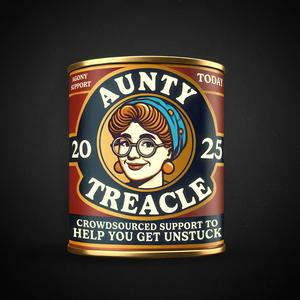
Feeling Stuck in Your Career or Impact Journey? Ask Aunty Treacle…Welcome to Aunty Treacle, the go-to resource for professionals looking to make an impact in their careers. Whether you’re facing a career crossroads, navigating workplace challenges, or striving to lead with purpose, Aunty Treacle is here to help you get unstuck. By crowdsourcing advice from a diverse network of impact-driven professionals, we aim to provide you with a wealth of perspectives and ideas to help you move forward in your career and create meaningful change.We believe there’s no single right answer. Every individual and situation is unique, and by offering multiple insights, we encourage you to explore different approaches to unlock your potential and make a difference in your work.
Podcast websiteListen to Aunty Treacle, James Reed: all about business and many other podcasts from around the world with the radio.net app
Get the free radio.net app
- Stations and podcasts to bookmark
- Stream via Wi-Fi or Bluetooth
- Supports Carplay & Android Auto
- Many other app features
Get the free radio.net app
- Stations and podcasts to bookmark
- Stream via Wi-Fi or Bluetooth
- Supports Carplay & Android Auto
- Many other app features

Aunty Treacle
Scan code,
download the app,
start listening.
download the app,
start listening.
 UK
UK