
Listen to this podcast in the app for free: Download for free in the App Store
radio.net
Sleep timer
Save favourites
91 episodes

How To Stay Employable As AI Changes Tech Jobs | Ryan Deeds
11/11/2026 | 42 mins.When AI can write the code, what keeps you employable is how people feel about working with you. This episode looks at employability as AI changes technical work.
Ryan Deeds leads AI at Alkeme, a fast-growing US insurance brokerage, so he sees the tools up close and also hires the people who use them. His view is that technical skill used to be the moat that kept you valuable. Now that tools like Claude Code can put code on the page, the value sits in shaping the solution, explaining it and earning trust.
The conversation covers why being good at your job no longer excuses being hard to work with, and what Ryan looks for in an interview instead. He explains why he would hire a candidate who can do 64% of the job and is good to work with over one who can do 98% and isn't, and why showing what you've built is now the entry ticket.
Ben and Ryan also discuss whether empathy is something you have or something you can build, why technical teams that only show up when something breaks get linked with the problem, and how posting honestly on LinkedIn built trust before Ryan walked into a meeting.
Ryan also talks about how he learned to communicate and how hard he worked to become a confident speaker. He argues that goal setting and public speaking sit behind success, because it doesn't matter how brilliant you are if you can't get that brilliance out.
For Sales Engineers, Technical Consultants, Customer Success Leaders and engineering leaders, this is a practical look at the skills that keep you hireable as the work changes.
About the guest Ryan Deeds is Head of AI and Enablement at Alkeme. He has spent his career in data and operations for insurance agencies and insurtech, starting on a help desk, and joined Alkeme as its analytics leader. He now leads a team of eight that builds AI tools in-house, including the Producer Portal, and works with almost every business unit on using AI safely and well.
Alkeme: https://alkemeins.com
Connect with Ryan on LinkedIn: https://www.linkedin.com/in/ryancdeeds/
Free online masterclass for leaders of technical teams, Coaching Your Team's Technical Storytelling: Tuesday 24 November, 12:30 UK.
Details at https://www.elevatedyou.live/techleadersmasterclass
Listen and subscribe: Spotify: https://open.spotify.com/show/1yU6AcoCLySqE1wGn80HOT?si=649d8f8c3d8b47a3
Apple Podcasts: https://podcasts.apple.com/gb/podcast/tech-world-human-skills/id1674003078
YouTube: https://www.youtube.com/@techworldhumanskills/podcasts
Newsletter and archive: https://www.techworldhumanskills.com
Connect with Ben: https://www.linkedin.com/in/benpthoughts
Technical Storytelling for Individuals: https://www.elevatedyou.live/individuals
Technical Storytelling for Organisations: https://www.elevatedyou.live/organisationsWhich Human Skills Matter More as AI Gets Smarter | Wilhelm Klein
28/10/2026 | 41 mins.When AI can do the analysis, the skills that used to sit at the edge of a technical career move to the centre.
This episode looks at what Wilhelm Klein calls the repricing of human value. For a long time, organisations paid well for raw intelligence: the ability to research, analyse, memorise and turn what you had learned into output. Plenty of technical professionals built their sense of self around exactly those skills. Wilhelm argues that this is the work AI models are getting very good at, so it is the work that will be priced lower.
The conversation looks at what that means from two sides. As a CEO who hires, Wilhelm explains why ten years ago he might have hired for raw intelligence and accepted gaps in soft skills, and why he now pays more attention to the person behind the skills. With investors expecting more from smaller teams, he says there is no room left for the cog in the machine who does one task. Everyone has to orchestrate the AI tools around them, bring a wide view of the world and work well with others.
For individuals, the episode gets practical and personal. Wilhelm describes sending a presentation to an advisor, getting it back red-lined, and his first reaction being "screw you", then what he learned from asking where that reaction came from. He makes the case for treating yourself as a system worth maintaining, using metacognition and simple habits such as journaling morning and evening, and for looking honestly at the gap between who you are and who you want to be. The episode also covers common gaps such as people pleasing, fear of negative feedback and ego, and why leadership seminars and mindfulness courses deserve to be taken more seriously.
For Sales Engineers, Technical Consultants, Customer Success Leaders and engineering leaders, this is a grounded look at which skills will hold their value and how to start building them now.
About the guest
Wilhelm Klein is CEO of Zetamotion, which uses computer vision for quality control in manufacturing. He holds a PhD in technology ethics, in what is now called AI ethics, and spent more than a decade in Hong Kong and Korea before moving into deep tech startups. He is based in Germany and keeps one foot in academia. His article on repricing human value, on his website, is where this conversation started.
Zetamotion: https://www.zetamotion.com
Wilhelm's website: https://www.wilhelmklein.net
Connect with Wilhelm on LinkedIn: https://www.linkedin.com/in/wilhelm-e-j-klein/
Free online masterclass for leaders of technical teams, Coaching Your Team's Technical Storytelling: Tuesday 24 November, 12:30 UK. Details at https://www.elevatedyou.live/techleadersmasterclass
Listen and subscribe:
Spotify: https://open.spotify.com/show/1yU6AcoCLySqE1wGn80HOT?si=649d8f8c3d8b47a3 Apple Podcasts: https://podcasts.apple.com/gb/podcast/tech-world-human-skills/id1674003078 YouTube: https://www.youtube.com/@techworldhumanskills/podcasts
Newsletter and archive: https://www.techworldhumanskills.com
Connect with Ben: https://www.linkedin.com/in/benpthoughts
Technical Storytelling for Individuals: https://www.elevatedyou.live/individuals
Technical Storytelling for Organisations: https://www.elevatedyou.live/organisationsHow To Prepare For a Sales Engineer Job Interview | David Ledger
14/10/2026 | 42 mins.This episode looks at how to get hired as a sales engineer while the hiring process itself is changing. David Ledger has run more than fifty interviews in his first three months at HiBob. He walks through the three questions that haven't changed in decades and still trip people up: why do you want to work here, why do you like being a sales engineer, and tell me about a deal you are proud of. The conversation gets specific about what a weak answer sounds like (a twenty-year life story, a complaint about a former manager, a timeline of events with no ownership) and what a strong one sounds like. That includes the test David applies to every deal story: if another SE had been there instead of you, would it still have closed?
The second half turns to what is new. Candidates are now expected to talk confidently about their own AI literacy, covering both what they use week to week and a view on where the role is going. CVs are screened and scored by AI inside applicant tracking systems before a hiring manager sees a shortlist, and that changes how a CV should be written. The episode also covers whether a candidate should try to close the interviewer, why the answer depends on who is across the table, and what the latest presales compensation data says about demand for SEs. For UK listeners, David flags a change to unfair dismissal protection under the new Employment Rights Act and what it could mean for probation periods.
For Sales Engineers and Technical Consultants weighing a move, and for the leaders hiring them, this is a practical guide to what interviewers are listening for right now. The fundamentals still decide a lot. As David puts it, a company is just a collection of humans, and hiring is still a human exercise at its core.
About the guest
David Ledger is Director of Sales Engineering for EMEA at HiBob, the HR technology company. Before HiBob he led presales teams at Vimeo and Seismic, and his career has been spent in presales, mostly in leadership roles. He describes himself as a big advocate for the profession, and hiring is a large part of how he builds it.
Connect with David on LinkedIn: https://www.linkedin.com/in/dledger/
Show notes footer:
Listen and subscribe:
Spotify: https://open.spotify.com/show/1yU6AcoCLySqE1wGn80HOT?si=649d8f8c3d8b47a3
Apple Podcasts: https://podcasts.apple.com/gb/podcast/tech-world-human-skills/id1674003078
YouTube: https://www.youtube.com/@techworldhumanskills/podcasts
Newsletter and archive: https://www.techworldhumanskills.com
Connect with Ben: https://www.linkedin.com/in/benpthoughts
Technical Storytelling for Individuals: https://www.elevatedyou.live/individuals
Technical Storytelling for Organisations: https://www.elevatedyou.live/organisationsApplying Stoicism in the Tech World | Tony Francetic
30/09/2026 | 41 mins.Stoicism is not about feeling nothing. It is about deciding what deserves your energy and what does not.
This episode looks at how a 2,000 year old philosophy shows up in the daily grind of pre-sales, sales engineering, and technical leadership. Tony Francetic, Director of Pre-Sale Support at Thomson Reuters, walks through the four cardinal virtues of stoicism, wisdom, justice, courage, and temperance, and shows how each one plays out in a forecast review, a demo that crashes, or a deal where the cheaper product is actually the right call for the customer.
The conversation covers why knowing your product is not the same as knowing when to say it, why an SC once talked a customer into the lesser priced solution and what that cost and earned the team long term, and why qualification is really a form of temperance, saying no to opportunities that are not ready rather than chasing every deal that lands on the desk. Tony also tells the story of a live product crash in front of a room of customers during his early days as a trainer, and what composure actually looked like in that moment.
For Sales Engineers, Technical Consultants, Customer Success Leaders, and CTOs, the throughline is control. You do not control the outage, the no show, or the buying committee politics. You control your preparation, your honesty, and how you respond once the unexpected happens. Tony's framing turns that into something practical rather than abstract, with a simple exercise listeners can run after their next demo or forecast call.
Tony Francetic has spent 14 years at Thomson Reuters and the last decade leading pre-sales, after starting out in journalism and support before moving into training and then sales leadership. He shares stoic reflections applied to work on LinkedIn every Monday and Wednesday, and describes the practice as something he leans on for himself as much as anything he offers his team.
Show notes footer:
Listen and subscribe:
Spotify: https://open.spotify.com/show/1yU6AcoCLySqE1wGn80HOT?si=649d8f8c3d8b47a3
Apple Podcasts: https://podcasts.apple.com/gb/podcast/tech-world-human-skills/id1674003078
YouTube: https://www.youtube.com/@techworldhumanskills/podcasts
Newsletter and archive: https://www.techworldhumanskills.com
Connect with Ben: https://www.linkedin.com/in/benpthoughts
Technical Storytelling for Individuals: https://www.elevatedyou.live/individuals
Technical Storytelling for Organisations: https://www.elevatedyou.live/organisations
Connect with Tony: https://www.linkedin.com/in/tony-francetic/The four skills every sales engineering leader needs | Malcolm Murphy
16/09/2026 | 52 mins.The skills that make someone a strong technical expert are rarely the skills that make them a strong leader of the business around that expertise.
This episode continues the conversation with Malcolm Murphy, who returns to Tech World Human Skills for a second time. The first conversation covered the people management skills a new leader needs. This one moves into the business management side, set specifically in the world of technical pre-sales. Malcolm lays out four areas he has come to rely on: partnering properly with your sales leader rather than acting as a service center, knowing your sales process well enough to know when it is right to deviate from it, understanding how organizations actually buy, and staying cross functional even when the day job keeps pulling toward the next urgent deal.
The conversation gets specific. Malcolm tells the story of a car purchase that never happened, and what it taught him about what buyers are really comparing you against. He and Ben talk about the difference between a sales process and a sales framework, when it is safe to break the rules, and why treating your sales counterpart as a genuine partner, not a supplier, changes how a whole team behaves. For Sales Engineers, Technical Consultants, Customer Success Leaders, and CTOs or engineering leaders trying to grow into a broader leadership role, this episode is a practical map of what that growth actually requires.
Malcolm Murphy has worked across organizations of every size, from global enterprises to small teams, and has held roles as an individual contributor, a solution consultant, a sales engineering leader, and now a sales leader at Mimecast. He has also spent time on the buying side of the table, managing a technology budget inside an end user organization, which shapes how directly he talks about what buyers actually think.
Show notes footer:
Listen and subscribe:
Spotify: https://open.spotify.com/show/1yU6AcoCLySqE1wGn80HOT?si=649d8f8c3d8b47a3
Apple Podcasts: https://podcasts.apple.com/gb/podcast/tech-world-human-skills/id1674003078
YouTube: https://www.youtube.com/@techworldhumanskills/podcasts
Newsletter and archive: https://www.techworldhumanskills.com
Connect with Ben: https://www.linkedin.com/in/benpthoughts
Technical Storytelling for Individuals: https://www.elevatedyou.live/individuals
Technical Storytelling for Organisations: https://www.elevatedyou.live/organisations
Malcolm Murphy Linked In: https://www.linkedin.com/in/malcolmmurphy/
More Business podcasts




Trending Business podcasts

















About Tech World Human Skills
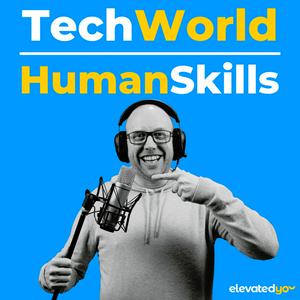
Ben Pearce interviews thought leaders in the tech world to learn from their success. In each episode we focus on a topic our guest has learnt about, failed at, course corrected and ultimately succeeded with. We can stand on the shoulders of giants and benefit from their insight.
The Tech World Human Skills podcast is a masterclass on building the leadership, professional and human skills that are essential to thrive in the tech world.
If you're in Pre-Sales, Consulting, Engineering, Customer Success, Architecture, Tech Leadership or any other tech discipline come and join the party.
New episodes every 2 weeks. Listen to The Tech World Humans Skills podcast wherever you listen to your podcast or watch on YouTube. Check out www.techworldhumanskills.com for more details.
Podcast websiteListen to Tech World Human Skills, Unhedged and many other podcasts from around the world with the radio.net app
Get the free radio.net app
- Stations and podcasts to bookmark
- Stream via Wi-Fi or Bluetooth
- Supports Carplay & Android Auto
- Many other app features

 UK

