Listen to this podcast in the app for free: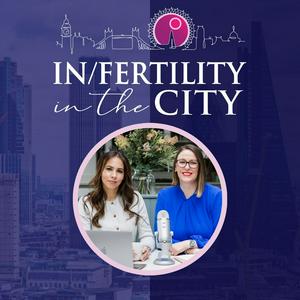 Download for free in the App Store
radio.net
Sleep timer
Save favourites
Available Episodes
5 of 56
- Redefining Family: The Rise of Solo Motherhood by Choice - with Lucia GroundsTRIGGER WARNING: This episode deals with discussions of in/fertility and baby loss.At 46, Lucia became a solo mum to twins conceived through embryo donation. Her path to parenthood was anything but straightforward: seven IVF cycles, six miscarriages, clinics in London, New York and Spain, remortgaging her house and navigating a fertility world that largely shut out single women.In this episode, Lucia shares her powerful story of becoming a solo mum by choice almost 20 years ago, and how the world of donor conception has changed – and where it still needs to catch up. She talks candidly about miscarriage, the emotional and financial toll of treatment, going abroad for anonymous donation, and raising donor-conceived twins who are now almost 20.We also dive into the legal and ethical landscape with fertility and surrogacy lawyer Natalie: the end of donor anonymity in the UK, DNA testing, global donor limits, and what all of this means for the real families and real children at the heart of the fertility industry.If you’re considering solo motherhood, donor conception, or you’re already parenting donor-conceived children, this conversation is honest, nuanced and deeply validating. What we cover How Lucia went from “I’ll think about kids later” to starting IVF at 44 as a single womanWhat UK fertility clinics were like for single women in 2004 – ethics committees, GP “fit to parent” letters and outright refusalsWhy Lucia switched from her own eggs to egg donation and ultimately to embryo donationConceiving twins at 46: fear, shock and the practical realities of solo parenting two babiesThe emotional and financial cost of seven IVF cycles and treatment in the UK, Spain and the USSetting a hard deadline at 45 and having a “Plan B” that didn’t include children How Lucia’s own solo mum shaped her confidence to parent aloneThe role of Donor Conception Network and why Lucia joined *before* she had childrenHow donor conception has changed in 20 years – single women, lesbian couples and rising numbersThe shift from anonymous donation to ID-release donors in the UKDNA testing, half-siblings and why anonymity is now essentially impossibleHow Lucia has talked to her twins about being donor-conceived from early childhoodWhy one twin wanted DNA testing at 12 (and the other didn’t care at all) The grief of not knowing more about a donor – and how parents can support that Donor limits, global sperm banks and why donor-conceived adults are calling for more regulationThe pressure on women to project-manage fertility journeys and advocate for extra testingThe importance of implications counselling for both recipients and donors Guest bio: Lucia Grounds is a solo mum to 19-year-old twins conceived through embryo donation when she was 46, after seven IVF cycles and six miscarriages. A former event producer, journalist and TV researcher, Lucia now freelances with the Donor Conception Network (DCN), a charity that supports people creating their families through donor conception. She facilitates workshops, organises events and hosts online chats for solo mums, helping new members navigate the emotional, practical and ethical questions around donor conception and solo parenthood. --About King’s Fertility (Sponsor): One of London’s most respected IVF clinics, working with King’s College Hospital and King’s College London. King’s Fertility offers NHS and private patients world-leading research, advanced treatment, and compassionate care. Learn more at kingsfertility.co.uk Connect With UsEmail: [email protected] / LinkedIn / X: @infertilityinthecityTikTok: @infertility.in.the.cityYouTube: @InFertilityintheCityWebsite: www.infertilityinthecity.comIf this episode resonated with you, please leave a 5-star review and hit follow.--------48:26
- Solo but not alone: Navigating sperm donation on the path to motherhood - with Mel JohnsonIn this episode of In/Fertility in the City, hosts Natalie Sutherland and Somaya Ouazzani sit down with Mel Johnson, known as The Solo Parenthood Coach and founder of The Stork and I. Mel became a solo mum at 37 after years of dating, heartbreak and fearing she’d “run out of time” to become a parent. Mel opens up about:The breakdown of her long-term relationship just before 30, and how that shifted her timeline for motherhoodReaching a point where her fear of missing out on parenthood outweighed her fear of doing it aloneUsing IVF and donor sperm, choosing a clinic-based donor, and why the donor’s letter mattered more than his statsBuilding a support “village”: moving closer to family, leaning on friends, and creating a community of solo mumsTalking to her daughter about being donor-conceived and navigating questions around donors, half-siblings and male role modelsThe reality of solo parenting and work – finances, flexible employers and why support is non-negotiableEthical and legal issues around unregulated sperm donation, HFEA rules and the end of true donor anonymityMel is honest that solo parenthood isn’t for everyone. She shares the questions she believes every prospective solo parent should ask about support, money, mental health and – crucially – what it might mean for their future child. If you’re considering solo motherhood, working with donor gametes, or supporting someone who is, this episode is a nuanced, grounded must-listen.About our guest:Mel Johnson is a solo mum to her seven-year-old daughter, conceived through IVF using donor sperm. After navigating her own journey into solo motherhood, she founded The Stork and I, a platform and community for women exploring or pursuing solo parenthood. As a qualified coach, Mel supports single women from the “Should I do this?” stage through every step of treatment, conception and beyond.In this episode, we discuss:From Plan A to Plan B (or just a different Plan A)The end of Mel’s seven-year relationship just before her 30th birthdayDating through her 30s, the “milestone” pressure of 35, and the desperation that can lead to bad choicesThe moment, at 37, when her fear of missing out on parenthood became stronger than her fear of doing it soloSolo motherhood as a real – and rising – path to parenthoodWhy more single women are choosing to become parents without waiting for “Mr Right”The tension between not wanting to settle in a relationship and not wanting to miss out on childrenHow broader social changes, dating culture and HFEA data reflect this trendCreating a village: doing it alone, but not on your ownMoving from a trendy part of Manchester to Southport to be closer to familyCo-parenting with a “village”: divorced parents who are now heavily involved, her brother, friends and a network of solo mums“Granny Day” – the weekly overnight at Mel’s mum’s house that gives her one night off every weekWhy some solo parents may actually experience more practical support than couplesDonor conception and choosing a sperm donorWhy Mel chose IVF with her own eggs and clinic-based donor spermThe donor questionnaire: physical characteristics, religion, education and the importance of donor lettersWhy the donor’s explanation of why he donated – and his willingness to be contacted in future – was crucial for MelHFEA rules around family limits and how many families can use the same donorKnown vs clinic donors & unregulated donationLegal and emotional risks of unregulated or informal sperm donation When known donation can work well – and when it can go badly wrongFinancial barriers to clinic treatment and why some women feel pushed towards informal routesThe argument for earlier access to donor information and the impact of commercial DNA testing on anonymityTalking to children about donor conception and family structureHow Mel explains her daughter’s conception story in simple, age-appropriate languageWhy she currently avoids using “sibling” as a label for donor-conceived genetic relativesHer daughter’s perspective on family: granny, granddad, mum – and the two cats at the very top of the family treeMale role models: the role Mel’s dad, brother and friends play, and whether “gendered” role models are really necessaryFuture contact with the donorExamples from donor-conceived adults: curiosity, connection, indifference and rejectionManaging expectations around what meeting a donor can realistically look likeMel’s role as a parent: supporting whatever her daughter wants while protecting her from “fairy-tale” expectationsCareer, money and the practical realities of solo parenthoodBeing the only earner – why career stability and an understanding employer are essentialRemote working, flexible hours and how her company supported her return from maternity leaveThe pressure on solo parents being pushed back into the office and long commutesWhy Mel recognises her own privilege in having supportive work and family structuresFertility treatment: Mel’s IVF journeyGoing straight to IVF to maximise chances of successCreating three embryos, experiencing a chemical pregnancy, and then a successful transferThe emotional and ethical weight of deciding what to do with her final embryoIs solo parenthood for you? Mel’s advicePractical support and a genuine “village”Financial reality – both treatment and raising a childMental health and resilienceWhy she has no regrets about her decision – but does regret the years of anxiety about “running out of time”The three pillars she thinks everyone should consider:Questioning whether you truly want children – or whether you feel you “should” because of societal expectationsThe importance of community: connecting with others considering or living solo parenthood through group coaching and peer supportUseful research and lived-experience resources for anyone considering this route--About King’s Fertility (Sponsor): One of London’s most respected IVF clinics, working with King’s College Hospital and King’s College London. King’s Fertility offers NHS and private patients world-leading research, advanced treatment, and compassionate care. Learn more at kingsfertility.co.uk Connect With Us:Email: [email protected] / LinkedIn / X: @infertilityinthecityTikTok: @infertility.in.the.cityYouTube: @InFertilityintheCityWebsite: www.infertilityinthecity.comIf this episode resonated with you, please leave a 5-star review and hit follow.--------50:14
- Why Women of Colour Face the Worst Outcomes in Fertility, Antenatal and Postnatal Care - with Hannah KingTRIGGER WARNING: this episode includes discussion of maternal and neonatal death, birth trauma, miscarriage, ectopic pregnancy and obstetric emergencies.Racial disparity in maternity and fertility care isn’t a US problem “over there” – it’s happening in British hospitals, clinics and labour wards every day. In this powerful conversation, Natalie and Somaya are joined by midwife and clinical coordinator Hannah King to unpack how racism and structural bias show up in pregnancy, birth, IVF access and early parenting – and what that actually looks like in real women’s lives and careers.Hannah draws on 16 years of midwifery experience, her work with Midwives Against Racism, Birthrights, the Parliamentary and Health Service Ombudsman and the Ockenden Review to explain why Black and Brown women and their babies are still more likely to die, to be ignored, and to leave maternity services deeply traumatised – and what needs to change.Along the way, Somaya shares her own deeply personal story of ectopic pregnancy, haemorrhage, “defensive” care and learning to advocate for in the system.In this episode, we talk about:The MBRRACE-UK findings and what it means that Black women have historically been around five times more likely to die in pregnancy and childbirth – and are still almost three times more likely to die today.How Hannah, as a white midwife, came to co-found Midwives Against Racism – and why allyship from white clinicians matters.What Hannah sees on the ward: high-dependency rooms full of women of colour and disproportionate neonatal deaths in babies of colour.Why it’s rarely about one “racist” individual – and much more about system design, bias and necropolitics.How Eurocentric healthcare, biased equipment (like pulse oximeters on darker skin), and institutional distrust shape outcomes.The “strong Black woman” trope, pain relief disparities and why some women of colour are still being denied or not offered epidurals.The impact of internalised racism and misogyny – including discrimination coming from professionals of colour.The importance of diversity in senior NHS leadership (those “Snowy White Peaks”) to drive real systemic change.How racism and bias also show up in fertility: delayed referrals, reduced IVF access and higher rates of loss for Black and South Asian women.Power imbalances in clinical encounters and how trauma from fertility journeys walks into the labour ward with you.Somaya’s stories:Two ectopic pregnancies, misdiagnosis, and being given somebody else’s blood results.A major obstetric haemorrhage after a “perfect” birth, and how that shaped her next pregnancy and labour.Being labelled high-risk due to age, IVF and heritage – and learning to insist on being heard.Why doulas (especially doulas of colour) can be a vital protective layer and advocacy voice in labour.Your legal right to decline tests, examinations, inductions and interventions – and what consent should really look like, including key human rights principles in maternity care.“Geriatric” pregnancies / pregnancy at 35+ what the risks actually are, and what’s more about culture than evidence.How fragmented the system can be when moving from fertility clinics (including overseas clinics) into NHS maternity care, and the role of the UK fertility regulator, the HFEA.Why better, trauma-informed postnatal and health visitor care, and meaningful paternity leave, are not “nice to haves” but essential public health measures.Guest Bio (short) Hannah King is a mother of three, a midwife and labour ward clinical coordinator with over 16 years’ midwifery experience. She is co-founder of Midwives Against Racism, a collective dedicated to examining evidence around medical racism and delivering anti-racism workshops to obstetric teams across the UK. Hannah is an Associate Trainer for the charity Birthrights, delivering training on human rights in maternity care, and a Clinical Advisor to both the Parliamentary and Health Service Ombudsman and the Ockenden Review. She holds a Master’s in Public Health and is working towards a doctorate examining racial disparities in British newborns. Her passion for equitable, culturally safe care for all has led to her role as UK Midwifery Lead for the Maternal Health Programme with Children, Not Numbers. About King’s Fertility (Sponsor): One of London’s most respected IVF clinics, working with King’s College Hospital and King’s College London. King’s Fertility offers NHS and private patients world-leading research, advanced treatment, and compassionate care.Learn more at kingsfertility.co.ukResources & Links MentionedMidwives Against Racism (Instagram) – evidence-based posts on medical racism and antiracist maternity care https://www.instagram.com/midwivesagainstracism/Birthrights – Human Rights in Pregnancy & Childbirth (advice, factsheets, training and campaigns) https://birthrights.org.uk/Birthrights – Your Rights in Pregnancy and Childbirth (clear explanation of consent, choice and legal rights) https://birthrights.org.uk/advice-factsheets/your-rights/MBRRACE-UK Maternal Mortality Reports – data on racial disparities in maternal death in the UKOverview news: “Black women are five times more likely to die in childbirth than white women” (2019) https://www.npeu.ox.ac.uk/mbrrace-ukLatest maternal report (2024, showing risk now ~3x higher for Black women):https://www.npeu.ox.ac.uk/assets/downloads/mbrrace-uk/reports/maternal-report-2024/MBRRACE-UK_SON_Report_2024_V1.1.pdf“The Snowy White Peaks of the NHS” – report on discrimination in NHS governance and leadership PDF: https://repository.mdx.ac.uk/item/84qy7“INVISIBLE – Maternity Experiences of Muslim Women” (Muslim Women’s Network UK)Summary/report page:https://www.mwnuk.co.uk/resourcesDetail.php?id=257HFEA – Human Fertilisation and Embryology Authority (UK fertility regulator)https://www.hfea.gov.uk/Birthrights – Inquiry into Racial Injustice in Maternity Care (“Systemic Racism, not Broken Bodies”)https://birthrights.org.uk/campaigns-research/racial-injustice/Tommy’s summary of the “Invisible” report – plain-language overviewhttps://www.tommys.org/about-us/news-views/invisible-muslim-womens-voices-heard-maternity-reportConnect With UsEmail: [email protected] / LinkedIn / X: @infertilityinthecityTikTok: @infertility.in.the.cityYouTube: @InFertilityintheCityWebsite: www.infertilityinthecity.comIf this episode resonated with you, please leave a 5-star review and hit follow.--------1:02:23
- Trauma, Support and the Stories We Tell — with Dr Ippokratis SarrisTo open Season 6, Natalie and Somaya sit down with Dr Ippokratis Sarris - to explore one of the most complex questions in fertility: How does a high-pressure professional life intersect with treatment outcomes and emotional wellbeing?Together, they unpack: 🔹 High-Pressure Careers & FertilityWhether demanding jobs really impact IVF success.How partner schedules and “just one day” can sometimes matter medically.The shift since COVID: remote work reducing secrecy, stress, and logistical chaos.🔹 Personality, Pace & PrioritiesWhy some people work through infusions or scans — and when it’s personality, not necessity.Why “try to relax” is unhelpful and unsupported by data.The importance of fitting life around fertility, not forcing treatment into burnout-level schedules.🔹 The Emotional Toll — on Patients and Clinicians Dr Sarris shares the cases that stay with him:The “1 in 300” miracle cycles.The heartbreak of late losses after everything seemed perfect.Why clinicians, despite training, feel deeply — and why language matters more than many realise.🔹 “Unexplained Infertility” — A Term Dr SarrisHe “hHates”Why there is always a reason, even if medicine can’t identify it yet.The emerging science of single-gene variants, early embryonic loss and egg/sperm interactions.Why most fertility medicine remains surprisingly crude compared to the biological complexity it tries to treat.🔹 Statistics, Probabilities & the Danger of LanguageWhy 5% sounds hopeless but “1 in 20” feels achievable.Why percentages work for populations, not individuals.How careless language (“aim for mediocrity”) can stay with patients for years.Why his approach is: give honest numbers, never dismiss hope, support the patient’s decision 100%.🔹 Social Media & Fertility Misinformation Dr Sarris discusses his research analysing 939 fertility posts during Infertility Awareness Week:Only 2 posts met criteria for accuracy, credibility and readability.Why social platforms drown out trusted medical sources.How influencer culture affects patient expectations — and sometimes treatment decisions.Why he now spends more time debunking advice than giving it.🧬 NEW: Fertility Fun Fact of the Day In this episode’s fun fact:Your DNA would stretch 74 billion kilometres if unwound.You share 60% of your DNA with bananas.Biology is wild — and sometimes hilarious.About King’s Fertility (Sponsor) One of London’s most respected IVF clinics, working with King’s College Hospital and King’s College London. King’s Fertility offers NHS and private patients world-leading research, advanced treatment, and compassionate care.Learn more at kingsfertility.co.uk You can access the research article #Misinformation: The perils of using social media for medical advice regarding infertility https://www.tandfonline.com/doi/epdf/10.1080/14647273.2025.2506787?needAccess=true Connect With UsEmail: [email protected] / LinkedIn / X: @infertilityinthecityTikTok: @infertility.in.the.cityYouTube: @InFertilityintheCityWebsite: www.infertilityinthecity.comIf this episode resonated with you, please leave a 5-star review and hit follow.--------51:15
- The Lister Fertility Clinic: What's Behind Almost 40 Years of Success?TRIGGER WARNING: This episode deals with discussions of in/fertility and/or baby loss.--In this enlightening episode of In/Fertility in the City, we sit down with James Nicopoullos, Clinical Director at the Lister Fertility Clinic, and Fran Garrigan, Fertility Matron, to discuss the intricacies of fertility treatment. Discover the history and ethos of the Lister Fertility Clinic, renowned for its transparency and patient-centred approach.Explore the challenges and triumphs of fertility treatment, the importance of mental health, and the groundbreaking advancements in reproductive medicine, including the UK's first womb transplant. Whether you're a busy professional or someone navigating the complex world of fertility, this episode is packed with insights and support. Join us as we delve into the world of fertility with two leading experts. -- GUEST INFORMATIONJames Nicopoullos, Medical Director, Lister Fertility Clinic As Medical Director at Lister Fertility Clinic:James Nicopoullos, has spent years guiding individuals and couples through what can often feel like a complex and emotional process, with warmth and compassion. Beyond his medical expertise, James is known for leading his approachable and reassuring clinic in Chelsea, making sure each patient feels heard and understood.At Lister Fertility Clinic, James and his team are dedicated to providing not just the highest quality of care, but also a safe space where patients feel empowered to make the right choices for their own journey. Whether you’re just beginning to explore fertility options or have faced challenges along the way, the team are there to walk alongside you with expert care, empathy, and support. Fran Garrigan, Fertility Matron at Lister Fertility Clinic:Fran joined Lister Fertility Clinic in 2010 as a Staff Nurse, quickly discovering a passion for the field that has shaped her career ever since. Now the Matron of the clinic, she leads a team of 35, managing care for over 3,000 IVF cycles each year. Known for her compassion and dedication, Fran takes pride in supporting patients through the highs and lows of their fertility journeys, ensuring they feel cared for every step of the way. --CONNECT WITH US You can engage with the hosts and the growing In/Fertility in the City community by:emailing us: [email protected]: www.infertilityinthecity.comfollowing us on: LinkedIn: www.linkedin.com/company/infertilityinthecityInstagram: https://instagram.com/infertilityinthecityX / Twitter: https://twitter.com/InFertilityCity --SEASON 5 SPONSOR: The Lister Fertility Clinic. Visit the website--------40:14
More Health & Wellness podcasts
 Is It Hot In Here? Midlife PodcastEducation, Health & Wellness, Medicine, Self-Improvement
 ZOE Science & NutritionEducation, Health & Wellness, Science, Nutrition
 What's Up Docs?Health & Wellness, Science, CATEGORY_NATURE
 Happy PlaceHealth & Wellness, Society & Culture, Mental Health, Relationships
 Huberman LabHealth & Wellness, Science, Life Sciences
 No Appointment NecessaryHealth & Wellness, Medicine
 The High Performance PodcastEducation, Health & Wellness, Sports, Self-Improvement
 The Wellness ScoopHealth & Wellness, Society & Culture, Mental Health
 Feel Better, Live More with Dr Rangan ChatterjeeHealth & Wellness, Alternative Health
 On Purpose with Jay ShettyBusiness, Health & Wellness, Mental Health
Trending Health & Wellness podcasts
 I'm FineEducation, Health & Wellness, Society & Culture, Self-Improvement
 Boring Books for Bedtime Readings to Help You SleepArts, Health & Wellness, Books, Mental Health
 The EC methodHealth & Wellness, Fitness
 The Human Upgrade: Biohacking for Longevity & PerformanceEducation, Health & Wellness, Science, Self-Improvement
 Calming Anxiety | Guided Meditation, Sleep Hypnosis & Panic Attack ReliefEducation, Health & Wellness, Religion & Spirituality, Mental Health, Self-Improvement
 Therapy and TheologyHealth & Wellness, Religion & Spirituality, Christianity, Mental Health
 Medics Money podcastEducation, Health & Wellness, Medicine, Self-Improvement
 the goop podcastEducation, Health & Wellness, Society & Culture, Self-Improvement
 Sober Cast: An (unofficial) Alcoholics Anonymous Podcast AAHealth & Wellness, Mental Health
 Office Hours with Arthur BrooksHealth & Wellness, Mental Health
 A Millennial MindHealth & Wellness, Mental Health
 The Dr. Gabrielle Lyon ShowHealth & Wellness, Science, Life Sciences, Medicine
 Food For ThoughtHealth & Wellness, Nutrition
 HealthyGamerGGEducation, Health & Wellness, Mental Health
 Slimming World PodcastHealth & Wellness, Society & Culture, Nutrition, Personal Journals
 Addicted to RecoveryEducation, Health & Wellness, Society & Culture, Mental Health, Self-Improvement
 Rise with RoxieHealth & Wellness, Mental Health
 The Cure for Chronic Pain with Nicole Sachs, LCSWHealth & Wellness, Religion & Spirituality, Alternative Health, Spirituality
 Stronger MindsArts, Health & Wellness, Food, Mental Health
 Inner LightHealth & Wellness
 Well with Arielle LorreArts, Health & Wellness, Society & Culture, Alternative Health, Fashion & Beauty, Personal Journals
 Tracks To Relax Sleep MeditationsHealth & Wellness, Alternative Health, Mental Health
 Dhru Purohit ShowHealth & Wellness, Alternative Health
 آدمیزادHealth & Wellness, Mental Health
 Down To Sleep (Audiobooks & Bedtime Stories)Fiction, Health & Wellness, Mental Health
 Sleep Meditation for WomenHealth & Wellness, Mental Health
 Rain Sounds - 10 HourHealth & Wellness, Science, Alternative Health, CATEGORY_NATURE
 Beyond the MatBusiness, Health & Wellness, Society & Culture
About In/Fertility In The City
In/Fertility in the City is a podcast dedicated to exploring the complex relationship between in/fertility and work and how to manage this effectively.It is hosted by Natalie Sutherland and Somaya Ouazzani (and Emma Menzies for Seasons 1-3), who have had to navigate their own fertility challenges alongside professional life, and are united in their passion for ensuring that better quality information and support is made available to others doing the same.Together they interview incredible guests, from a variety of industries, who generously share powerful stories and valuable insights into in/fertility at work issues.Their moving and thought-provoking discussions are intended to break the silence around this taboo topic, and inspire new attitudes and behaviours that will improve and normalise the management of fertility challenges in professional contexts.If you’re a professional managing in/fertility, baby loss, fertility treatment or other paths to parenthood, or you have an interest in understanding and supporting those who are, then this is a ‘must listen’ for you.TRIGGER WARNING: This podcast deals with discussions of in/fertility and/or baby loss.You can also engage with your hosts and the growing In/Fertility in the City community by:emailing us: [email protected] us on LinkedIn ( www.linkedin.com/company/infertilityinthecity ), Instagram ( https://instagram.com/infertilityinthecity ), or X ( https://twitter.com/InFertilityCity ).Music created by Jon Nicoll.
Podcast websiteListen to In/Fertility In The City, Is It Hot In Here? Midlife Podcast and many other podcasts from around the world with the radio.net app
Get the free radio.net app
- Stations and podcasts to bookmark
- Stream via Wi-Fi or Bluetooth
- Supports Carplay & Android Auto
- Many other app features
Get the free radio.net app
- Stations and podcasts to bookmark
- Stream via Wi-Fi or Bluetooth
- Supports Carplay & Android Auto
- Many other app features

In/Fertility In The City
Scan code,
download the app,
start listening.
download the app,
start listening.
 UK
UK