Listen to this podcast in the app for free: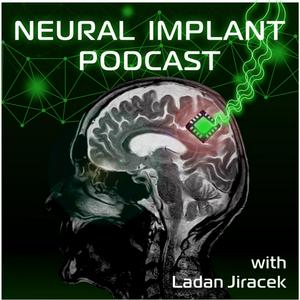 Download for free in the App Store
radio.net
Sleep timer
Save favourites
Neural Implant podcast - the people behind Brain-Machine Interface revolutions
Ladan Jiracek
Latest episode
Available Episodes
5 of 259
- Paul Goode: Implantable Glucose Monitoring—and a Neural Interface TwistIn this episode, Paul Goode (Glucotrack) dives into the next wave of continuous glucose monitoring: an active, fully implantable CGM designed to deliver long-term, pacemaker-style reliability without external wearables. We discuss first-in-human progress, why implantables may change diabetes care at home, and a fascinating neural angle—how similar chemistry and form factors could be adapted to epidural glucose sensing and even paired with neural recording electrodes to capture metabolic and neural data together. If you care about closed-loop systems, chronic implants, or bridging bioelectrochemistry with neurotech, this one's for you. Top 3 Takeaways: Epidural glucose sensing works long-term: Initial short animal tests showed continuous glucose measurement in the epidural space, and a follow-up multi-month study delivered phenomenal, stable results. Epidural placement matches CGM performance: The sensor sits on top of the dura mater in the epidural space (effectively an interstitial environment) and, in studies run alongside a conventional subcutaneous CGM, showed comparable timing and responsiveness. Since the brain runs on glucose, this is surprising but logical. Seamless SCS integration is feasible: The epidural glucose sensor uses a simple potentiostat and three-electrode setup, adding minimal electronics to existing spinal cord stimulator platforms. The team aims to generate first-in-human data to catalyze partnerships with SCS companies. 1:15 Do you want to introduce yourself better than I just did? 2:15 Why was a glucose sensor company invited to come on the Neural Implant Podcast? 7:15 How many electrodes on a device would need to be used in order to measure glucose in the epidural space? 8:45 How do your glucose measurements compare with Continuous Glucose Monitors? 12:30 What's the company's next step? 16:00 Is there anything you would want of the Neural Implant community?--------18:26
- Fabio Boi on Corticale's Ultra-Dense, Minimally Invasive Brain InterfacesIn this episode of the Neural Implant Podcast, I speak with Fabio Boi, Co-Founder and CSO of Corticale, an Italian neurotech company that is redefining the landscape of brain-computer interfaces. Corticale is pioneering a new generation of minimally invasive, CMOS-based neural implants that can record from thousands of neurons simultaneously—introducing their flagship technology, SiNAPS. Fabio walks us through how SiNAPS achieves single-cell resolution recordings via its 1024-electrode array, enabling high-fidelity access to both action potentials and local field potentials deep within cortical tissue. We also explore the significance of modular probe design, ultra high-density sensors, and the potential clinical and research applications of such a breakthrough platform. This episode is sponsored by Black Swan IP – patent strategy and legal support for neurotech innovators. Learn more at www.blackswan-ip.com/ Top 3 Takeaways: Corticale's SiNAPS probes miniaturize electronics directly beneath each electrode, enabling every channel to independently record signals. Unlike traditional systems that require pre-selection or external r eadout bottlenecks, this design supports simultaneous, high-resolution recording across the entire array. Moving from hundreds to thousands of recording channels exposes neural complexity that was previously missed. For brain-computer interfaces, this data richness significantly improves decoding accuracy and performance. Startups should prioritize building the right team even before finalizing the technology. As Fabio reflects, having a team with the right expertise early on can help avoid costly mistakes, save time, and steer the company in the right direction—something he wishes he had done from the beginning. 0:45 Do you want to introduce yourself better than I just did? 3:00 What are some of the features of your technology? 5:30 What kind of cutting edge fabrication are you using? 6:30 What application do you see this being useful for? 10:15 Sponsorship by blackswan-ip 10:45 So who are you main customers now? 12:45 What are the upper limits of this technology? 16:00 So you guys are working only on the hardware side of things? 16:45 What kind of data processing do you need for this? 18:45 What do the next 5 years look like for you? 20:15 What kind of patient population would you be targeting? 21:00 What is it like to be based in Italy? 24:00 Is there anything that we didn't talk about that you wanted to mention?--------28:43
- Ben Woodington on Coherence Bio's Revolutionary Cancer Reprogramming ApproachIn this episode of the Neural Implant Podcast, we sit down with Ben Woodington, co-founder of Coherence Bio, a groundbreaking medical technology company pioneering a new frontier in cancer treatment. By integrating neurotechnology, neurobiology, and machine learning, Coherence is building a platform that doesn't just fight cancer—it manages it in real time. Ben shares how Coherence is moving beyond the traditional "cut, burn, poison" model of oncology, and instead focusing on precision neuromodulation to monitor and control cancer progression—offering hope for 24/7 adaptive treatment with fewer side effects and better quality of life. Their platform, SOMA, is the first in a suite of technologies aimed at achieving this ambitious goal. We also explore the emerging field of cancer neuroscience, the role of BCIs and digital neural interfaces in oncology, and how Coherence's research is predicting brain metastasis, decoding neural signatures of gliomas, and applying electrotherapy to fight tumors. This episode is sponsored by Black Swan IP – patent strategy and legal support for neurotech innovators. Learn more at www.blackswan-ip.com/ Top 3 Takeaways: Coherence is targeting glioblastoma as its first application due to its urgent unmet clinical need—patients face a median survival of just 14 months, and the standard of care hasn't evolved in over two decades. Despite the broader applicability of their technology across brain cancers, focusing on this aggressive, treatment-resistant form gives them a high-impact entry point to demonstrate the value of real-time, adaptive neuromodulation. Coherence is exploring two groundbreaking mechanisms for treating brain cancer: directly stimulating cancer cells to inhibit division, and disrupting the neural-cancer feedback loop that drives tumor growth. Inspired by work from Stanford's Michelle Monje lab, they aim to block the synaptic connections between neurons and tumor cells—cutting off the electrical signals and neurotrophic support that fuel cancer proliferation. Implants will be placed during patients' scheduled tumor resection surgeries, minimizing additional intervention. Rather than performing separate procedures, the team collaborates with surgeons during planned tumor debulking to implant devices, enabling safety and neural recording studies without altering standard care pathways. 0:45 Do you want to introduce yourself better than I just did? 2:00 Is that what OptoBio was doing as well? 3:15 What is the mechanism of action for curing cancer? 6:00 How are you treating the cancer? 8:15 Is this a localized treatment around the implanted area only? 17:15 Sponsorship by blackswan-ip 11:15 How are you measuring the signal of the cancer? 12:00 What level of development are you guys at? 14:00 How are clinical trials approval different for terminal patients? 15:45 How do you deal with the sense of urgency to get this technology out? 18:30 What would you want to see in the Neural Implant Community? 23:15 Is there anything we didn't talk about that you wanted to mention?--------23:43
- Dr Christian Wende on European IP Strategy, Medtech Patents & the UPCIn this episode, we dive into the world of European intellectual property and medtech innovation with Dr. Christian Wende, a German and European Patent Attorney specializing in medical technology at DTS. With a background in mechanical engineering, a Ph.D. in liver dialysis research, and a Master of Laws in European IP law, Christian brings a rare and powerful combination of technical, legal, and clinical insight. We explore how startups and investors should think about IP strategy in Europe, the impact of the new Unified Patent Court (UPC), the nuances between U.S. and EU patent landscapes, and how IP due diligence is handled during VC rounds and M&A activity. Whether you're a founder, investor, or innovator in medtech or neurotech, this episode is packed with actionable insights. This episode is sponsored by Black Swan IP – patent strategy and legal support for neurotech innovators. Learn more at www.blackswan-ip.com/ Top 3 Takeaways: When looking for a good IP lawyer, don't try to search blindly—ask founders who've successfully done it before. You'll often hear the same trusted names. And even if those lawyers are conflicted, they'll usually refer you to a trusted colleague. The IP community is small and highly referral-driven. Becoming a qualified German and European patent attorney is a long and rigorous journey—often taking over 14 years. It includes a PhD, a three-year legal apprenticeship, two bar exams (German and European), and additional certification for the Unified Patent Court. Only about 25% of German candidates pass the European exam on their first try. Investors expect transparency and a plan—especially when IP litigation risk is involved. Hiding potential legal issues is a red flag that can derail multimillion-dollar investments, particularly in later-stage rounds. For high-stakes backers, surprise IP battles are deal-breakers, not details. 1:30 What is a patent and how is it different in Europe vs the US? 3:30 How far in advance should you be thinking about European patents? 8:15 How did you get into patent law? 10:00 What kind of education is necessary for this? 14:30 What was your role in the Sapiens DBS IP portfolio? 17:15 Sponsorship by blackswan-ip 17:45 What are common issues especially in Merger and Acquisition deals? 27:15 What is one of the biggest mistakes you see neurotech companies do? 30:00 How do you recognize good legal counsel? 32:30 How do your Japanese roots fit into everything? 36:00 Are you knowledgable about the Asian side of medtech? 38:00 Is there anything that we didn't talk about that you wanted to mention?--------39:02
- Inside AIMD: Building the Future of Implantable Devices with Nicolas Barabino & Antoni IvarraIn this special episode recorded after the workshop in Barcelona, I talk with Nicolas Barabino and Antoni Ivorra, two of the key organizers behind the 2025 Active Implantable Medical Devices (AIMD) Workshop. We dive into the vision behind this growing event, which brings together top researchers, engineers, clinicians, and entrepreneurs to explore the cutting edge of implantable medical devices. Nicolas and Antoni share insights on the evolution of AIMD technologies, the role of multidisciplinary collaboration, and how this annual workshop is shaping the next generation of innovators. We also touch on the challenges that startups face in the space—regulatory hurdles, IP strategy, and the importance of academic-industry partnerships. Whether you're a student curious about the field or a seasoned expert navigating the complexities of medical implants, this conversation is packed with valuable takeaways from the heart of Europe's neurotech and medtech community. This episode is sponsored by Black Swan IP – patent strategy and legal support for neurotech innovators. Learn more at www.blackswan-ip.com/ Top 3 Takeaways: This year's AIMD workshop struck a successful balance between clinical research and industry—50/50 over two days. Feedback from both local and international attendees praised the diverse topics, especially the sessions on soft electrodes and innovative implantable technologies. The AIMD Workshop stood out for its diverse programming—not just cutting-edge technology talks like those on soft electrodes, but also valuable discussions on market strategy, startup resources, and IP, including insights from a patent lawyer on what investors really look for. This blend of technical and business perspectives resonated strongly with attendees. At events like AIMD, aim for just one meaningful 10–15 minute conversation per day—enough to be memorable and lay the groundwork for a follow-up. Quality over quantity builds lasting connections. 1:00 Antoni, do you want to talk about why you were hosting the workshop and what you liked about it? 2:15 Nicolas, do you want to introduce yourself again? 4:30 It was aimed at students, what percentage were students? 5:15 What kind of talks were there? 8:15 Can we define Active Impalntable Medical Device and why was it focused on neurotech? 11:00 Sponsorship by blackswan-ip 11:30 What will next year's meeting look like? 12:45 Which of the topics have some of the biggest future in the field? 17:45 What kind of advice do you have for students who can attend these kinds of conferences? 21:00 Anything that we didn't talk about that you wanted to mention?--------21:41
More Health & Wellness podcasts
 Get Sleepy: Sleep meditation and storiesFiction, Health & Wellness, Kids & Family, Alternative Health, Drama, Stories for Kids
 On Purpose with Jay ShettyBusiness, Health & Wellness, Mental Health
 Feel Better, Live More with Dr Rangan ChatterjeeHealth & Wellness, Alternative Health
 The High Performance PodcastEducation, Health & Wellness, Sports, Self-Improvement
 ZOE Science & NutritionEducation, Health & Wellness, Science, Nutrition
 Happy PlaceHealth & Wellness, Society & Culture, Mental Health, Relationships
 The Wellness ScoopHealth & Wellness, Society & Culture, Mental Health
 Huberman LabHealth & Wellness, Science, Life Sciences
 What's Up Docs?Health & Wellness, Science, CATEGORY_NATURE
 Nothing much happens: bedtime stories to help you sleepFiction, Health & Wellness
Trending Health & Wellness podcasts
 I'm FineEducation, Health & Wellness, Society & Culture, Self-Improvement
 Boring Books for Bedtime Readings to Help You SleepArts, Health & Wellness, Books, Mental Health
 The EC methodHealth & Wellness, Fitness
 The Human Upgrade: Biohacking for Longevity & PerformanceEducation, Health & Wellness, Science, Self-Improvement
 Calming Anxiety | Guided Meditation, Sleep Hypnosis & Panic Attack ReliefEducation, Health & Wellness, Religion & Spirituality, Mental Health, Self-Improvement
 Therapy and TheologyHealth & Wellness, Religion & Spirituality, Christianity, Mental Health
 Medics Money podcastEducation, Health & Wellness, Medicine, Self-Improvement
 the goop podcastEducation, Health & Wellness, Society & Culture, Self-Improvement
 Sober Cast: An (unofficial) Alcoholics Anonymous Podcast AAHealth & Wellness, Mental Health
 Office Hours with Arthur BrooksHealth & Wellness, Mental Health
 A Millennial MindHealth & Wellness, Mental Health
 The Dr. Gabrielle Lyon ShowHealth & Wellness, Science, Life Sciences, Medicine
 Food For ThoughtHealth & Wellness, Nutrition
 HealthyGamerGGEducation, Health & Wellness, Mental Health
 Slimming World PodcastHealth & Wellness, Society & Culture, Nutrition, Personal Journals
 Addicted to RecoveryEducation, Health & Wellness, Society & Culture, Mental Health, Self-Improvement
 Rise with RoxieHealth & Wellness, Mental Health
 The Cure for Chronic Pain with Nicole Sachs, LCSWHealth & Wellness, Religion & Spirituality, Alternative Health, Spirituality
 Stronger MindsArts, Health & Wellness, Food, Mental Health
 Inner LightHealth & Wellness
 Well with Arielle LorreArts, Health & Wellness, Society & Culture, Alternative Health, Fashion & Beauty, Personal Journals
 Tracks To Relax Sleep MeditationsHealth & Wellness, Alternative Health, Mental Health
 Dhru Purohit ShowHealth & Wellness, Alternative Health
 آدمیزادHealth & Wellness, Mental Health
 Down To Sleep (Audiobooks & Bedtime Stories)Fiction, Health & Wellness, Mental Health
 Sleep Meditation for WomenHealth & Wellness, Mental Health
 Rain Sounds - 10 HourHealth & Wellness, Science, Alternative Health, CATEGORY_NATURE
 Beyond the MatBusiness, Health & Wellness, Society & Culture
About Neural Implant podcast - the people behind Brain-Machine Interface revolutions
This podcast's purpose is to bring together the field of neuroprosthetics / brain machine interfaces / brain implants in an understandable conversation about the current topics and breakthroughs. We hope to complement scientific papers on new neural research in an easy, digestable way. Innovators and professionals can share thoughts or ideas to facilitate 'idea sex' to make the field of brain implants a smaller and more personal space.
Podcast websiteListen to Neural Implant podcast - the people behind Brain-Machine Interface revolutions, Get Sleepy: Sleep meditation and stories and many other podcasts from around the world with the radio.net app
Get the free radio.net app
- Stations and podcasts to bookmark
- Stream via Wi-Fi or Bluetooth
- Supports Carplay & Android Auto
- Many other app features
Get the free radio.net app
- Stations and podcasts to bookmark
- Stream via Wi-Fi or Bluetooth
- Supports Carplay & Android Auto
- Many other app features

Neural Implant podcast - the people behind Brain-Machine Interface revolutions
Scan code,
download the app,
start listening.
download the app,
start listening.
 UK
UK