

Listen to this podcast in the app for free: Download for free in the App Store
radio.net
Sleep timer
Save favourites
40 episodes
040 From the Conference Floor: The Latest Advances in Myeloma Care
30/07/2026 | 41 mins.This episode explores the latest breakthroughs from the world's leading myeloma conferences, explaining how new research and clinical trials could shape future treatment and improve patient care with Charlotte.
📌Key Takeaways:
Discover the newest treatments that could transform myeloma care in the years ahead.
Find out why clinical trials today become tomorrow’s standard treatments.
Hear how global collaboration is bringing safer, more effective therapies closer to patients.
For extra content and more resources, please visit our website: https://www.themyelomaminutes.com/
We are proudly partnered with Myeloma UK for this episode. For more credible myeloma advice, please visit: https://www.myeloma.org.uk/
The Myeloma UK InfoLine is: 0800 980 3332
This podcast is for informational purposes only and does not constitute medical advice. Always consult a qualified healthcare professional for personalised medical guidance regarding your health concerns
ABOUT YOUR HOSTS
Dr Jam Kothari (@myeloma_medic) is an Oxford based blood cancer doctor, specialising in the treatment of multiple myeloma and associated conditions. He has been a consultant for a decade, and leads the provision of myeloma care for Oxford and neighbouring areas. He lectures regionally and nationally and leads clinical trials investigating the use of new treatments for myeloma. He is a strong believer in patient based, holistic care, delivered with warmth, clarity and integrity.
Dr Sally Moore is a Bristol based consultant who specialises in treating patients living with multiple myeloma and other plasma cell disorders. She oversees the delivery of clinical research studies for myeloma patients and has academic interests in how to maximise quality of life for patients and improve outcomes in older, less fit patients. She frequently contributes to myeloma related educational events for fellow doctors and healthcare professionals at a local, regional and national level and is an active member of the UK Myeloma Research Alliance and an executive member of the UK Myeloma Society.039 DT-PACE Explained: When Myeloma Needs a Different Approach
14/07/2026 | 23 mins.This episode explains when DT-PACE chemotherapy is used in myeloma, how it works, what patients can expect during treatment, and why it remains an important bridge to newer therapies.
📌Key Takeaways:
Why use older chemotherapy? Sometimes it's the fastest way to get myeloma back under control.
DT-PACE is a bridge - helping patients reach treatments like stem cell transplant or CAR T-cell therapy.
The treatment is intensive, but careful monitoring helps manage side effects and maximise its benefits.
For extra content and more resources, please visit our website: https://www.themyelomaminutes.com/
We are proudly partnered with Myeloma UK for this episode. For more credible myeloma advice, please visit: https://www.myeloma.org.uk/
The Myeloma UK InfoLine is: 0800 980 3332
This podcast is for informational purposes only and does not constitute medical advice. Always consult a qualified healthcare professional for personalised medical guidance regarding your health concerns
ABOUT YOUR HOSTS
Dr Jam Kothari (@myeloma_medic) is an Oxford based blood cancer doctor, specialising in the treatment of multiple myeloma and associated conditions. He has been a consultant for a decade, and leads the provision of myeloma care for Oxford and neighbouring areas. He lectures regionally and nationally and leads clinical trials investigating the use of new treatments for myeloma. He is a strong believer in patient based, holistic care, delivered with warmth, clarity and integrity.
Dr Sally Moore is a Bristol based consultant who specialises in treating patients living with multiple myeloma and other plasma cell disorders. She oversees the delivery of clinical research studies for myeloma patients and has academic interests in how to maximise quality of life for patients and improve outcomes in older, less fit patients. She frequently contributes to myeloma related educational events for fellow doctors and healthcare professionals at a local, regional and national level and is an active member of the UK Myeloma Research Alliance and an executive member of the UK Myeloma Society.038 A New Four-Drug Treatment for Myeloma: What Does DVRD Mean for Patients?
25/06/2026 | 35 mins.Experts discuss the approval of the new DVRD four-drug treatment for newly diagnosed myeloma patients who are not eligible for a stem cell transplant, exploring its benefits, risks and how treatment decisions are personalised.
📌Key Takeaways:
New four-drug treatment now available in England and Wales
Deeper remissions and longer disease control for many patients
Why the “best” treatment depends on you, not just the disease
For extra content and more resources, please visit our website: https://www.themyelomaminutes.com/
We are proudly partnered with Myeloma UK for this episode. For more credible myeloma advice, please visit: https://www.myeloma.org.uk/
The Myeloma UK InfoLine is: 0800 980 3332
This podcast is for informational purposes only and does not constitute medical advice. Always consult a qualified healthcare professional for personalised medical guidance regarding your health concerns
ABOUT YOUR HOSTS
Dr Jam Kothari (@myeloma_medic) is an Oxford based blood cancer doctor, specialising in the treatment of multiple myeloma and associated conditions. He has been a consultant for a decade, and leads the provision of myeloma care for Oxford and neighbouring areas. He lectures regionally and nationally and leads clinical trials investigating the use of new treatments for myeloma. He is a strong believer in patient based, holistic care, delivered with warmth, clarity and integrity.
Dr Sally Moore is a Bristol based consultant who specialises in treating patients living with multiple myeloma and other plasma cell disorders. She oversees the delivery of clinical research studies for myeloma patients and has academic interests in how to maximise quality of life for patients and improve outcomes in older, less fit patients. She frequently contributes to myeloma related educational events for fellow doctors and healthcare professionals at a local, regional and national level and is an active member of the UK Myeloma Research Alliance and an executive member of the UK Myeloma Society.037 From Patient to Author: Jonathan Gluck’s Myeloma Story
11/06/2026 | 48 mins.Author Jonathan Gluck shares his deeply personal experience of living with myeloma, reflecting on diagnosis, uncertainty, treatment, resilience and what it means to build a life alongside cancer.
📌Key Takeaways:
How do you live with uncertainty? Jonathan shares the lessons myeloma taught him.
A diagnosis can change your life - but it doesn’t have to define it.
One patient’s story of resilience, perspective and finding hope in unexpected places.
Find Jonathan's book here: Amazon UK
For extra content and more resources, please visit our website: https://www.themyelomaminutes.com/
We are proudly partnered with Myeloma UK for this episode. For more credible myeloma advice, please visit: https://www.myeloma.org.uk/
The Myeloma UK InfoLine is: 0800 980 3332
This podcast is for informational purposes only and does not constitute medical advice. Always consult a qualified healthcare professional for personalised medical guidance regarding your health concerns
ABOUT YOUR HOSTS
Dr Jam Kothari (@myeloma_medic) is an Oxford based blood cancer doctor, specialising in the treatment of multiple myeloma and associated conditions. He has been a consultant for a decade, and leads the provision of myeloma care for Oxford and neighbouring areas. He lectures regionally and nationally and leads clinical trials investigating the use of new treatments for myeloma. He is a strong believer in patient based, holistic care, delivered with warmth, clarity and integrity.
Dr Sally Moore is a Bristol based consultant who specialises in treating patients living with multiple myeloma and other plasma cell disorders. She oversees the delivery of clinical research studies for myeloma patients and has academic interests in how to maximise quality of life for patients and improve outcomes in older, less fit patients. She frequently contributes to myeloma related educational events for fellow doctors and healthcare professionals at a local, regional and national level and is an active member of the UK Myeloma Research Alliance and an executive member of the UK Myeloma Society.036 Infection and Myeloma - Staying Safe Without Stopping Life
29/05/2026 | 41 mins.This episode explores why people with myeloma are more vulnerable to infection, how treatments affect immunity, and the practical steps patients and carers can take to stay well.
📌Key Takeaways:
Myeloma and its treatments can weaken the immune system - but the risk changes over time.
Fever, coughs or feeling “not quite right” should never be ignored - early treatment matters.
From vaccines to exercise and preventative antibiotics, small steps can make a big difference.
For extra content and more resources, please visit our website: https://www.themyelomaminutes.com/
We are proudly partnered with Myeloma UK for this episode. For more credible myeloma advice, please visit: https://www.myeloma.org.uk/
The Myeloma UK InfoLine is: 0800 980 3332
This podcast is for informational purposes only and does not constitute medical advice. Always consult a qualified healthcare professional for personalised medical guidance regarding your health concerns
ABOUT YOUR HOSTS
Dr Jam Kothari (@myeloma_medic) is an Oxford based blood cancer doctor, specialising in the treatment of multiple myeloma and associated conditions. He has been a consultant for a decade, and leads the provision of myeloma care for Oxford and neighbouring areas. He lectures regionally and nationally and leads clinical trials investigating the use of new treatments for myeloma. He is a strong believer in patient based, holistic care, delivered with warmth, clarity and integrity.
Dr Sally Moore is a Bristol based consultant who specialises in treating patients living with multiple myeloma and other plasma cell disorders. She oversees the delivery of clinical research studies for myeloma patients and has academic interests in how to maximise quality of life for patients and improve outcomes in older, less fit patients. She frequently contributes to myeloma related educational events for fellow doctors and healthcare professionals at a local, regional and national level and is an active member of the UK Myeloma Research Alliance and an executive member of the UK Myeloma Society.
More Health & Wellness podcasts
 ZOE Science & NutritionEducation, Health & Wellness, Nutrition, Science
 On Purpose with Jay ShettyBusiness, Health & Wellness, Mental Health
 Passion Struck with John R. MilesAlternative Health, Education, Health & Wellness, Mental Health, Self-Improvement
 UNTAPPED with Spencer MatthewsEducation, Fitness, Health & Wellness, Mental Health, Self-Improvement
 Huberman LabHealth & Wellness, Life Sciences, Science
 No Appointment NecessaryHealth & Wellness, Medicine
 Feel Better, Live More with Dr Rangan ChatterjeeAlternative Health, Health & Wellness
 What's Up Docs?Health & Wellness, Nature, Science
 On The MendEducation, Health & Wellness, Mental Health, Personal Journals, Self-Improvement, Society & Culture
 Get Sleepy: stories for sleepAlternative Health, Drama, Fiction, Health & Wellness, Kids & Family, Stories for Kids
Trending Health & Wellness podcasts
 Dr Karan ExploresHealth & Wellness
 Savage LovecastHealth & Wellness, Relationships, Sexuality, Society & Culture
 Sober Motivation: Sharing Sobriety StoriesAlternative Health, Education, Health & Wellness, Mental Health, Self-Improvement
 A Really Good CryHealth & Wellness, Mental Health
 We're Out of TimeHealth & Wellness, Mental Health
 Self HelpHealth & Wellness, Mental Health
 Inner LightHealth & Wellness
 The Best of YouHealth & Wellness, Mental Health
 The Human Upgrade: Biohacking for Longevity & PerformanceEducation, Health & Wellness, Science, Self-Improvement
 Dr. Jockers Functional NutritionAlternative Health, Health & Wellness, Nutrition
 Owning It: The Anxiety PodcastEducation, Health & Wellness, Mental Health
 Sexy StoriesHealth & Wellness, Sexuality
 ADHD Experts PodcastHealth & Wellness, Mental Health
 The Wellness ProcessAlternative Health, Health & Wellness
 The Dylan Gemelli PodcastAlternative Health, Health & Wellness
 The Ben Azadi ShowAlternative Health, Health & Wellness
 All or Something PodcastFitness, Health & Wellness, Nutrition
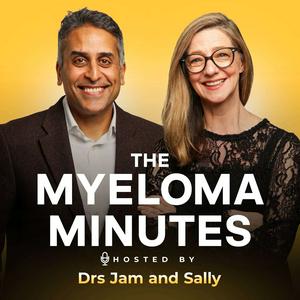
About The Myeloma Minutes
A living library of credible information for patients of multiple myeloma and their caregivers.
Podcast websiteListen to The Myeloma Minutes, ZOE Science & Nutrition and many other podcasts from around the world with the radio.net app
Get the free radio.net app
- Stations and podcasts to bookmark
- Stream via Wi-Fi or Bluetooth
- Supports Carplay & Android Auto
- Many other app features
Get the free radio.net app
- Stations and podcasts to bookmark
- Stream via Wi-Fi or Bluetooth
- Supports Carplay & Android Auto
- Many other app features

The Myeloma Minutes
Scan code,
download the app,
start listening.
download the app,
start listening.
 UK
UK