
Listen to this podcast in the app for free: Download for free in the App Store
radio.net
Sleep timer
Save favourites
178 episodes
ADHD Medication and Your Period: What Women Need to Know About Treatment, PMDD, and Changing Symptoms
20/10/2026 | 1h 4 mins.ADHD medication can feel different across your menstrual cycle, and a difficult month doesn’t automatically mean your treatment has failed. View the show notes and episode resources at https://drbrighten.com/podcast/adhd-medication-and-your-period/ .
📚 ADHD and Women — If this conversation has you rethinking what ADHD can look like through a woman’s life and cycle, my book ADHD and Women goes deeper. It explores the connection between ADHD, hormones, and the symptoms women are too often told to push through. Learn more: https://drbrighten.com/adhdandwomen
🎧 Podcast: https://drbrighten.com/podcast
📺 YouTube: https://www.youtube.com/@DrJoleneBrighten
📝 Show notes: https://drbrighten.com/podcast/adhd-medication-and-your-period/
In this conversation, Dr. Jolene Brighten, board-certified in naturopathic endocrinology, nutrition scientist, and author of ADHD and Women, talks with board-certified psychiatrist Dr. Agnes Kwan Simone, board-certified pediatric psychologist Dr. Anne-Louise Lockhart, and Annika Joya, MS, author of The Eat to Focus Cookbook, about ADHD medication, nutrition, menstrual-cycle changes, and PMDD.
ABOUT THE GUESTS
🎓 Annika Joya, MS, is the author of The Eat to Focus Cookbook and shares science communication about ADHD nutrition. Website: https://nutrimindlab.com/ | Links: https://linktr.ee/nutrimindcoach
🧠 Dr. Agnes Kwan Simone is a board-certified psychiatrist with practices in general psychiatry and women’s midlife mental health. Website: https://www.simonepsych.com/
🌱 Dr. Anne-Louise Lockhart is a pediatric psychologist, board-certified in clinical child and adolescent psychology, and author of Love the Teen You Have. Website: https://drannlouiselockhart.com/ | Links: https://linktr.ee/dr.annlouise.lockhart
🔗 RESOURCES & FOLLOW
🌿 Radiant Mind: https://drbrightenessentials.com/products/radiant-mind
🌐 Dr. Jolene Brighten: https://drbrighten.com
📸 Instagram: https://www.instagram.com/drjolenebrighten
🎵 TikTok: https://www.tiktok.com/@drjolenebrighten
📺 YouTube: https://www.youtube.com/@DrJoleneBrighten
📘 Facebook: https://www.facebook.com/drjolenebrighten
💼 LinkedIn: https://www.linkedin.com/in/jolenebrighten
📣 If this conversation helped, please like, share it with someone who may need it, and subscribe for more episodes. Leave a comment with what you’d like us to cover next.
This episode is for educational purposes and is not a substitute for individualized medical or mental health care. Discuss diagnosis, medication, and treatment decisions with a qualified clinician.
Learn more about your ad choices. Visit megaphone.fm/adchoicesPsychiatrists Warning: ADHD Relationships, Rejection Sensitive Dysphoria, and Building a Life That Works
13/10/2026 | 1h 10 mins.ADHD rejection sensitive dysphoria (RSD), women’s mental load, and the relationship fights that never seem to end—this episode explores how ADHD can affect communication, friendship, intimacy, and the stories we tell ourselves about being “too much.” View the full show notes and resources at DrBrighten.com: https://drbrighten.com/podcast/adhd-and-relationships/
Before we get into today’s episode: ADHD and Women is officially out https://amzn.to/4mPBO2x, and I am so deeply grateful for every person who has bought the book, shared it, posted about it, recommended it to a friend, or simply sent me a note of support. You are helping change the conversation around women, hormones, and ADHD—and I do not take that lightly.
And if you are a midlife woman whose brain suddenly feels like it is struggling—more forgetful, scattered, emotionally reactive, exhausted, or unable to focus—this book is for you, too. Perimenopause can look and feel a whole lot like ADHD, and you deserve answers that go deeper than “you’re just stressed.”
In episode three of our ADHD in Women series, Dr. Jolene Brighten is joined by, Dr. Agnes Kwon Simone, board-certified psychiatrist, Annika Angelo, MS, and Leann Borneman, LCSW for an honest, practical conversation about building relationships and systems that work with your brain—not against it.
You’ll learn why “just tell me what to do” can create more mental load, how to distinguish an ADHD explanation from an excuse, what rejection sensitivity can look like in real life, why friendships can feel so hard to maintain, and how executive function can affect sexual desire and connection.
💛 If this episode helps you feel seen, please like, share, and subscribe. It helps more women find evidence-informed conversations about ADHD, hormones, and mental health.
🎧 In this episode
🧠 Mental load is not just doing the task. It is noticing, remembering, planning, delegating, following up, and ensuring the task is actually complete.
💬 Shared language changes relationships. When both people can name the barrier, they can stop treating each other like the problem and start designing a better system.
💛 You are not a bad friend because you struggle with follow-through. But communication, repair, and choosing friendships that make room for your actual brain matter.
❤️ Desire is not always spontaneous. For many people, stress, task-switching, emotional safety, and executive-function demands can affect their ability to access desire and intimacy.
⚠️ A note on RSD: Rejection sensitive dysphoria is a widely used term to describe intense reactions to perceived rejection or criticism, but it is not a formal psychiatric diagnosis. If mood symptoms, anxiety, trauma responses, or relationship distress are affecting your life, individualized support from a qualified clinician can help.
🔗 Links mentioned in this episode
📚 ADHD and Women by Dr. Jolene Brighten: https://drbrighten.com/adhdandwomen
📝 The Dr. Brighten Show + episode show notes: https://drbrighten.com/podcast
🌐 Dr. Brighten’s website: https://drbrighten.com
👋 Connect with our guests
🩺 Dr. Agnes Kwon Simone | Website: https://www.simonepsych.com📲 Dr. Agnes Kwon Simone | Instagram: https://www.instagram.com/dr.agnesksimone
🍓 Annika Angelo, MS | Nutrimind Lab: https://nutrimindlab.com📲 Annika Angelo | Instagram: https://www.instagram.com/nutrimindcoach🎙️ Annika Angelo | Linktree: https://linktr.ee/nutrimindcoach
🧠 Dr. Leann Borneman | Website: https://www.bornemancoaching.com📲 Dr. Leann Borneman | Instagram: https://www.instagram.com/bornemancoaching
💛 Connect with Dr. Jolene Brighten
🌐 Website: https://drbrighten.com
📚 Books: https://drbrighten.com/books
📸 Instagram: https://www.instagram.com/drjolenebrighten
🎵 TikTok: https://www.tiktok.com/@drjolenebrighten
▶️ YouTube: https://www.youtube.com/@DrJoleneBrighten
📘 Facebook: https://www.facebook.com/drjolenebrighten
💼 LinkedIn: https://www.linkedin.com/in/jolenebrighten
This episode is for educational purposes and is not a substitute for individualized medical or mental-health care.
Learn more about your ad choices. Visit megaphone.fm/adchoicesADHD and Hormones in Women: Why Symptoms Change Across Your Cycle and in Perimenopause | Agnes K. Simone & Annika Joya
06/10/2026 | 52 mins.ADHD and hormones are deeply connected, and shifts in estrogen, progesterone, and testosterone may help explain why focus, mood, executive function, and even the experience of ADHD medication can change across the menstrual cycle and during perimenopause. View the full show notes and additional resources at https://drbrighten.com/podcasts/adhd-hormones-in-women/.
In this episode of The Dr. Brighten Show, I’m joined by board-certified psychiatrist Dr. Agnes K. Simone, MD and ADHD nutrition researcher Annika Joya, MS, for a conversation about what happens when ADHD meets the menstrual cycle, PMDD, and perimenopause. We talk about why some women feel like they have a completely different brain depending on the week of their cycle, why ADHD medication may feel less effective before a period, how estrogen interacts with dopamine, and why women can reach their 40s and suddenly feel like the systems that worked for decades no longer work.
In this episode, you’ll learn:
Why the follicular phase may feel easier for some women with ADHD
How estrogen and dopamine interact in the ADHD brain
Why ADHD medication may feel different during the luteal phase—and why you should not change your dose without speaking with your prescriber
What to track for two cycles if your ADHD symptoms or medication response change before your period
How sleep, nutrition, stress, and eating consistency can influence how your brain feels
What premenstrual exacerbation (PME) is and how it differs from simply having “bad PMS”
Why some women describe PMDD as feeling like they become a completely different person before their period
Why PMDD isn’t simply a matter of being “low in progesterone”
How masking can allow ADHD in women to remain undiagnosed for decades
Why ADHD does not suddenly begin at age 45
How perimenopause can affect focus, memory, mood, sleep, and executive function even without classic hot flashes
Why a single estrogen or progesterone blood test cannot diagnose perimenopause
Why women deserve individualized conversations about hormone therapy, birth control, ADHD medication, and their own symptoms
Simple strategies for feeding yourself when executive function is low
Practical things you can start doing now when ADHD feels harder during certain parts of your cycle
Dr. Simone also explains why an ADHD diagnosis requires looking for symptoms that were present in childhood or adolescence—not simply symptoms that suddenly appeared in midlife. Later, we discuss how masking, life demands, and hormonal changes can collide during perimenopause and make previously effective coping systems stop working.
The episode specifically moves from menstrual-cycle changes and medication response into estrogen, dopamine, progesterone sensitivity, PMDD, masking, perimenopause, hormone therapy, and finally a practical “Protocol Playground” for what listeners can start doing now.
🩺 Dr. Jolene BrightenDr. Jolene Brighten is a women’s hormone expert, naturopathic physician, Certified Menopause Society Practitioner, nutrition scientist, certified sex counselor, host of The Dr. Brighten Show, and author of ADHD and Women.
🌐 Dr. Brighten Website: https://drbrighten.com
📸 Instagram: https://www.instagram.com/drjolenebrighten/
🎵 TikTok: https://www.tiktok.com/@drjolenebrighten
▶️ YouTube: https://www.youtube.com/@DrJoleneBrighten
📘 Facebook: https://www.facebook.com/drjolenebrighten
👩⚕️ MEET THE EXPERTS
🧠 Dr. Agnes K. Simone, DO
Dr. Simone is a board-certified psychiatrist and founder of Olea Women’s Health, where her work focuses on the intersection of psychiatry, hormones, perimenopause, menopause, cognition, and women’s mental health.
Olea Women's Health https://www.oleawomenshealth.com/about-dr-agnes-simone
🌐 Dr. Agnes Simone: https://www.simonepsych.com/
🌿 Olea Women’s Health: https://www.oleawomenshealth.com/
🍓 Annika Joya, MS — Nutrimind Lab
Annika holds a master’s degree in health psychology and specializes in translating ADHD nutrition research into practical strategies for neurodivergent people. Nutrimind Lab https://nutrimindlab.com/about-annika
🌐 Nutrimind Lab: https://nutrimindlab.com/
📸 Instagram: https://www.instagram.com/thenutrimindlab/
🔗 Annika’s Links: https://linktr.ee/nutrimindlab
📕 ADHD AND WOMEN
🧠 Get ADHD and Women by Dr. Jolene Brighten: https://drbrighten.com/adhd-and-women/
The book dives much deeper into how hormones, the menstrual cycle, perimenopause, nutrition, sleep, stress, and other factors can influence the way ADHD presents in women.
🎁 RETREAT GIFT: If you get ADHD and Women and enter by October 9, one person will receive a gifted spot at my May 2027 retreat. Details and entry are here: https://drbrighten.com/adhd-and-women/
🌿 SPONSOR + RESOURCES
✨ Dr. Brighten Essentials: https://drbrightenessentials.com/
📚 Dr. Brighten Books & Resources: https://drbrighten.com/books
🎧 The Dr. Brighten Show: https://drbrighten.com/podcast/
📝 More women’s health education: https://drbrighten.com
💬 JOIN THE CONVERSATION
👍 LIKE this episode if it helped you understand your brain differently.
💬 COMMENT with the biggest thing you recognized in yourself—or tell me whether your ADHD feels different depending on where you are in your cycle.
📲 SHARE this with the woman who keeps saying, “I swear my ADHD gets worse before my period.”
🔔 SUBSCRIBE to The Dr. Brighten Show so you don’t miss the rest of the ADHD in Women series.
⚕️ Medical Disclaimer: This content is for educational and informational purposes only and is not individualized medical advice. Always work with a qualified healthcare professional regarding diagnosis, medication, hormone therapy, supplements, or treatment decisions.
Learn more about your ad choices. Visit megaphone.fm/adchoicesADHD in Women Symptoms: Why Success Can Hide the Signs
29/09/2026 | 50 mins.ADHD in women symptoms can hide behind straight As, a successful career, a packed calendar, and the exhausting work of appearing “fine.” In Episode 1 of the ADHD in Women series, Dr. Jolene Brighten joins psychiatrist Dr. Agnes Kwon Simone, pediatric psychologist Dr. Ann-Louise Lockhart, and clinical s/xologist Dr. Leann Borneman to unpack the signs women mask, the assessment gaps that lead to missed diagnoses, and how to advocate for a thorough evaluation. View the full show notes at https://drbrighten.com/podcasts/adhd-in-women-symptoms/ .
📘 Preorder ADHD and Women by Dr. Jolene Brighten: https://drbrighten.com/adhd-and-women/
👍 Like this video, share it with the woman who has been told she is “too successful” to have ADHD, and subscribe to The Dr. Brighten Show so you do not miss the rest of this eight-part series.
Many women with ADHD were never disruptive in class. They may have been the student who got straight As, the employee who pulled off impossible deadlines, or the partner who carried the entire mental load while quietly falling apart. This conversation explains why achievement does not rule out ADHD, why attention can look inconsistent, and why a 15-minute screener cannot replace a complete clinical assessment.
🎓 Meet the expert panel
🩺 Dr. Jolene Brighten is a board-certified naturopathic endocrinologist, nutrition scientist, and author of ADHD and Women.
🧠 Dr. Agnes Kwon Simone is a board-certified psychiatrist with expertise in ADHD, anxiety, OCD, and psychiatric evaluation.
👩⚕️ Dr. Ann-Louise Lockhart is a pediatric psychologist and board-certified clinical child and adolescent psychologist.
💬 Dr. Leann Borneman is a clinical s/xologist (PhD), licensed psychotherapist, and ADHD relationship expert.
✨ In this episode, you’ll learn
🧩 Why straight As, organization, hyperfocus, career success, or marriage do not rule out ADHD.
⏰ How time blindness, procrastination, internal restlessness, and emotional dysregulation can show up in adult women.
📝 How to build an ADHD evidence map before you book an evaluation.
🧠 Why you can manage a crisis, run a business, or write a book, yet still struggle to answer an email or make a dentist appointment.
🔥 Why urgency can temporarily help an ADHD brain engage, and why relying on stress eventually stops working.
🤝 How body doubling can support task initiation, persistence, and completion.
🧬 What we know about ADHD’s genetic contribution and why trauma alone does not explain every case.
🎭 How masking can look like perfectionism, over-preparing, people-pleasing, hypervigilance, and exhaustion.
🏫 How parents can advocate for accommodations without reducing ADHD support to medication alone.
🚩 What a thorough ADHD assessment includes, plus the red flags to watch for in an evaluator.
🔎 Why anxiety, depression, OCD, learning differences, iron deficiency, thyroid dysfunction, and psychosocial stressors deserve consideration in an assessment.
⚖️ How bias affects who gets diagnosed, treated, accommodated, or labeled as “difficult.”
🧠 A practical note before an ADHD evaluation
📱 Open your Notes app and write down what happens, where it happens, how often it happens, what it costs you, how you compensate, and what you remember from childhood.
🗂️ Add examples such as missed deadlines, chronic lateness, unpaid fees, relationship conflict, all-night overwork, or the systems you use to avoid forgetting something important.
🩺 Bring that note to a qualified clinician. A diagnosis requires a full assessment, but your history helps the right provider ask better questions.
📚 This episode offers education and does not replace individual medical or mental health care. Work with a qualified clinician for diagnosis, treatment, and medication decisions.
✨ Connect with the panel
🌿 Dr. Jolene Brighten Website: https://drbrighten.com
📸 Follow Dr. Jolene Brighten on Instagram: https://www.instagram.com/drjolenebrighten/
▶️ Subscribe to Dr. Jolene Brighten on YouTube: https://www.youtube.com/@DrJoleneBrighten
🩺 Dr. Agnes Kwon Simone: https://www.simonepsych.com/
📸 Follow Dr. Agnes Kwon Simone: https://www.instagram.com/dr.agnesksimone/
🧠 Dr. Ann-Louise Lockhart: https://drannlouiselockhart.com/
📸 Follow Dr. Ann-Louise Lockhart on Instagram: https://www.instagram.com/dr.annlouise.lockhart/
💬 Dr. Leann Borneman: https://www.bornemancoaching.com/
📸 Follow Dr. Leann Borneman on Instagram: https://www.instagram.com/drb_unfiltered/
💌 Subscribe, like, and share this episode with someone who has spent years wondering why life feels harder than it looks from the outside.
Learn more about your ad choices. Visit megaphone.fm/adchoicesEndometriosis and Perimenopause: Can You Use HRT? | Hormone Doctor's Warning
22/09/2026 | 24 mins.Did you know women with endometriosis are twice as likely to be diagnosed with ADHD? In my new book, ADHD and Women, I connect the dots between hormones, pain, mood, focus, and the symptoms women are too often told to simply push through—so you can finally understand what is happening in your body and brain. Get your copy: https://drbrighten.com/adhd-and-women/
Endometriosis in perimenopause can become more painful, more inflammatory, and far more confusing, but it is not “all in your head,” and it is not simply a matter of estrogen being too high. In this AMA, Dr. Jolene Brighten and Angela, who works with her behind the scenes, answer your biggest questions about endometriosis, adenomyosis, progesterone, HRT, surgery, fibroids, and what changes as hormones shift; view the show notes at https://drbrighten.com.
💬 If this conversation helps you feel more informed, please like, share, comment, and subscribe to The Dr. Brighten Show so more women can access evidence-informed conversations about their health.
Learn more about your ad choices. Visit megaphone.fm/adchoices
More Health & Wellness podcasts






Trending Health & Wellness podcasts










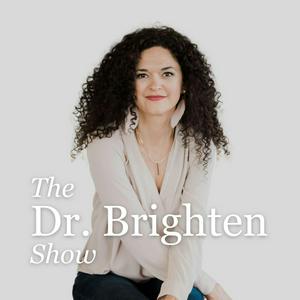
About The Dr. Brighten Show
Dr. Jolene Brighten, a best-selling author, board certified naturopathic endocrinologist, and women’s health expert, hosts The Dr. Brighten Show—a podcast dedicated to igniting transformative conversations in women’s health. Through candid interviews with leading experts, innovators, and thought-leaders, this show brings you groundbreaking research, personal stories, and practical tools to help you confidently navigate your body and hormones. It’s a fun, engaging, and insightful journey designed to empower you with tangible, science-backed insights, so you can live your best, most vibrant life.
Podcast websiteListen to The Dr. Brighten Show, No Appointment Necessary and many other podcasts from around the world with the radio.net app
Get the free radio.net app
- Stations and podcasts to bookmark
- Stream via Wi-Fi or Bluetooth
- Supports Carplay & Android Auto
- Many other app features
Get the free radio.net app
- Stations and podcasts to bookmark
- Stream via Wi-Fi or Bluetooth
- Supports Carplay & Android Auto
- Many other app features
The Dr. Brighten Show
Scan code,
download the app,
start listening.
download the app,
start listening.
 UK
UK